


The International Crimes Tribunal-2 on Sunday deferred the hearing on framing of charges against 41 accused, including former prime minister Sheikh Hasina, in a crimes against humanity case over the alleged killings committed during 2013 Hefazat-e-Islam rally at Shapla Chattar in Motijheel, Dhaka.
The court has fixed 12 November as the new date for hearing.
Earlier on 16 September, the tribunal had fixed 7 October for the charge framing hearing. On that day, the hearing was deferred to 1 November following a time petition filed by the defence.
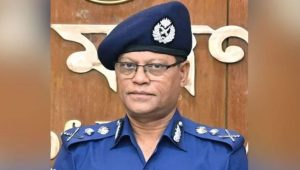
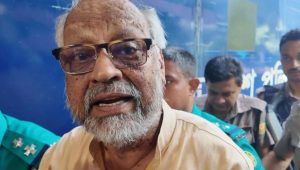
Prosecutor Gazi MH Tamim said that one of the accused, former inspector general of police (IGP) AKM Shahidul Haque, is currently admitted to hospital due to illness.
The prison authorities submitted a report to the tribunal stating that he could not be produced before the court owing to his physical condition.

As a result, the charge framing hearing could not take place, prompting the court to defer the proceeding.
Prosecution sources added that under the International Crimes Tribunal Act, if an accused is unable to appear or wishes to be absent, proceedings can be conducted through their lawyer.
If an accused remains unable to appear for a prolonged period due to illness or is intentionally absent, the court can conduct trial proceedings in their absence while their lawyer is present.



Prosecution sources added that while the presence of the accused is essential when issuing the charge framing order, their presence is not mandatory during the charge framing hearing itself.
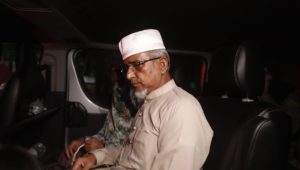
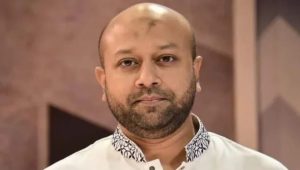
The case stems from a complaint filed with the chief prosecutor of the International Crimes Tribunal by Hefazat-e-Islam leader Azizul Haque over 5 May 2013 Shapla Chattar incident, on behalf of Hefazat leaders Junayid Al Habib and Maulana Mamunul Haque.
Although 21 individuals were initially named in the complaint, the prosecution submitted formal charges against 41 individuals following an investigation by the ICT investigation agency, which the tribunal subsequently took into cognisance following a hearing.
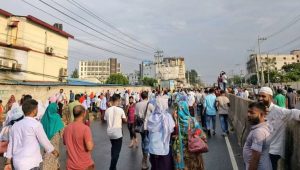
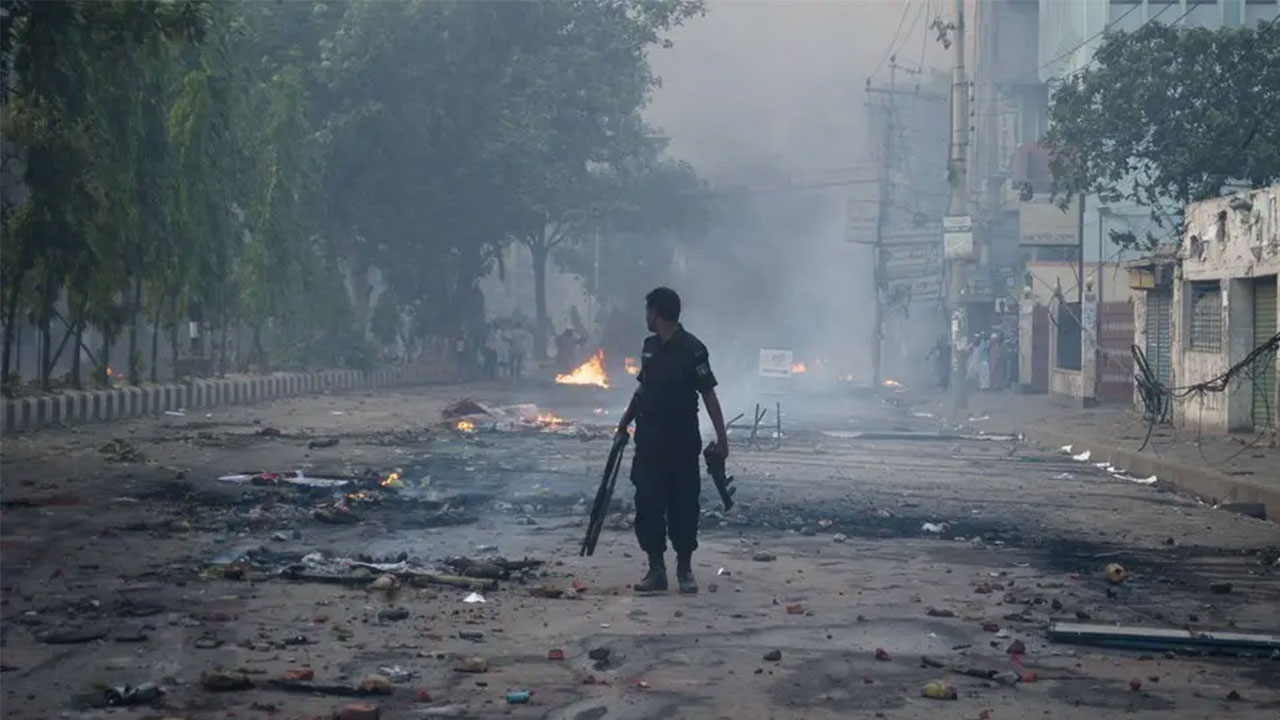
According to the prosecution, killings took place on 5 May 2013 at Hefazat-e-Islam rally in Shapla Chattar.
Members of the police, Border Guard Bangladesh (BGB), and Rapid Action Battalion (RAB) under the then government, alongside members of Awami League, Chhatra League, and Jubo League, jointly carried out killings with the intent to eradicate Hefazat-e-Islam.
The prosecution added that the investigation revealed indiscriminate shooting and killing of madrasa scholars (alems) and children.
The prosecution further alleged that Shapla Chattar killings were a planned event by the then Awami League government, executed by senior law enforcement officials.

A meeting of ministers and administration officials prior to the operation decided on the use of grenades and lethal weapons, resulting in the deaths of children and Hefazat-e-Islam leaders and activists as part of that plan.
The 11 arrested accused in the case are former ministers Abdul Latif Siddiqui, Abdur Razzaque, Dipu Moni, and Hasanul Haq Inu; former state minister Shamsul Hoque Tuku; former IGP AKM Shahidul Hoque; former army officer Ziaul Ahsan; former DIG Abdul Jalil Mondal; Ghatak Dalal Nirmul Committee (Ghadanik) President Shahriar Kabir; Ekattor TV Managing Director Mozammel Haque Babu; and journalist Farzana Rupa.
The remaining 30 accused who are absconding include former prime minister Sheikh Hasina, alongside Mohiuddin Khan Alamgir, Sheikh Fazlul Karim Selim, Mahbubul Alam Hanif, Hasan Mahmud Chowdhury, AFM Bahauddin Nasim, Mrinal Kanti Das, Jahangir Kabir Nanak, Mofazzal Hossain Chowdhury Maya, Omar Faruk Chowdhury, and Salauddin Mahmud alias S M Zahid.
The absconding list also features Imran H Sarker; former IGPs Hasan Mahmud Khandaker, Mohammad Javed Patwary, and Benazir Ahmed; former RAB Director General Md Mokhlesur Rahman; former BGB director General Aziz Ahmed; Lt General Md Mojibur Rahman; Sheikh Muhammad Maruf Hasan; Mahbub Hossain; Md Monirul Islam; Md Anwar Hossain; Asrafuzzaman; SM Mehedi Hasan; Mohammad Harun-Or-Rashid; Biplob Kumar Sarker; Syed Nurul Islam; Md Asaduzzaman; SM Shibly Noman; and BM Forman Ali.