Nearly four percent of street urchin boys in Dhaka are victims of commercial sexual exploitation, according to two major national studies released recently.
The findings, which expose acute risks facing vulnerable children in public spaces across the capital, also highlight a severe lack of gender-responsive services for exploited boys.
The studies – Through Her Eyes and Beneath the Surface – were conducted by The Freedom Fund in partnership with government agencies, research bodies, and child protection organisations. They combine surveys, qualitative interviews, and hotspot mapping across Dhaka’s high-risk areas.
The findings were presented at a national dissemination event in Dhaka.
Researchers found that boys aged 12–17 often engage in sexual acts in exchange for food, shelter, or small payments. Many said they slept in unsafe open spaces, faced harassment, and lacked access to basic services.
Interactions frequently occurred in parks, transport hubs, market forecourts, river ports, and isolated street corners. Several boys reported being approached by adults, including strangers, who exploited their vulnerability.

Experts say the scale of exploitation remains underestimated because boys are routinely excluded from child protection discussions and because Bangladesh has few gender-appropriate shelters that cater to their needs.
The companion study on girls reveals parallel but distinct patterns. Many girls were first targeted in their early adolescence. Traffickers or exploiters used emotional manipulation, false promises of marriage, or offers of jobs to lure them from rural areas into brothels or street-based networks.
Once taken, the girls’ mobility was tightly restricted, and many described routine violence, intimidation, and coercion. The studies note that it becomes “almost impossible” for girls to leave without external intervention.



Both studies identify poverty, family breakdown, and internal migration as major factors that push children into exploitative environments.
“These findings show that girls and boys enter exploitation through different but equally brutal pathways,” said Khaleda Akter, Country Representative for The Freedom Fund Bangladesh.
“Girls are deceived through promises of care or security, while boys are driven into survival sex because they are hungry, homeless, and unprotected. We need stronger policies and proper investment to prioritise children’s safety” Akter added.
The Director General of the Department of Social Services, Md Saidur Rahman Khan, acknowledged the gaps.
“We operate shelters, legal services, and rehabilitation programmes. But these findings show we must widen our reach and strengthen trauma-informed support. Services must respond to boys as well as girls,” he said.
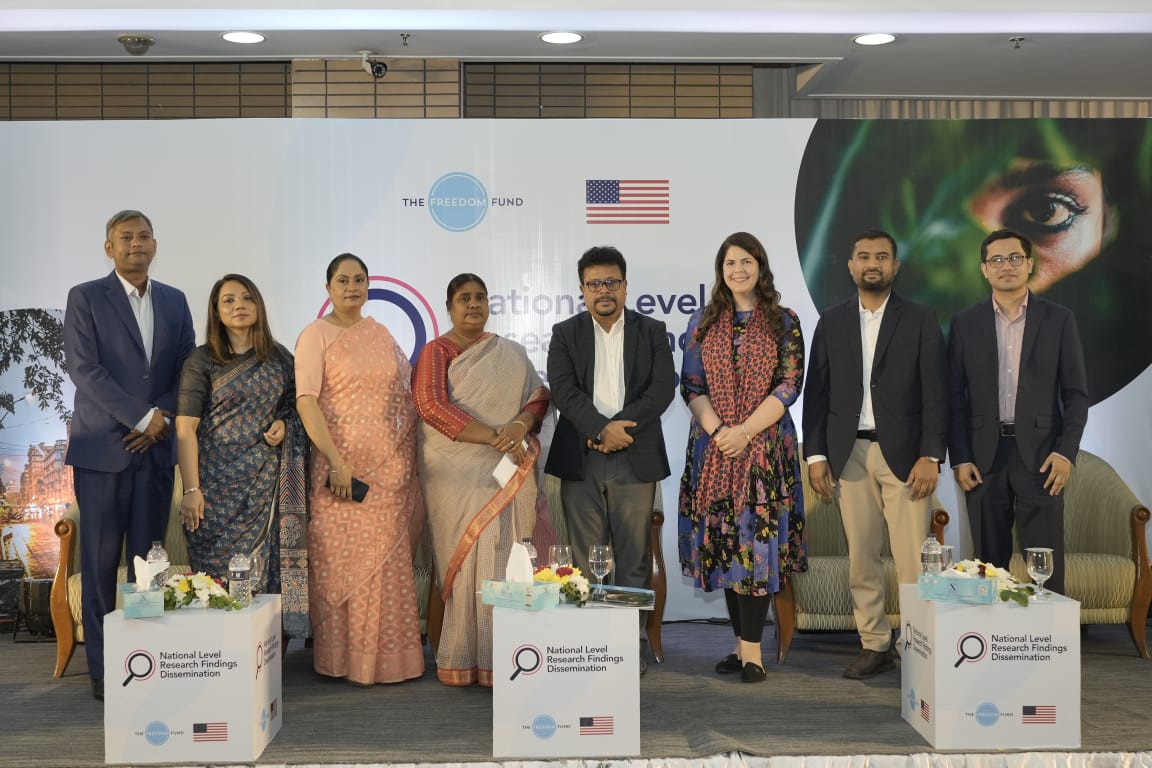
Mamtaz Ahmed, senior secretary of the Ministry of Women and Children Affairs (MoWCA), who attended the event as chief guest, called for inclusive reforms.
“It is important to build better safe houses and a stronger welfare system. We want advice from experts and partners to upgrade these services,” she told the event.
Survivor leader Mst Farida Parvin stressed the need for identity documentation and reintegration support.
“We cannot rebuild our lives without documents proving who we are. Many of us were once denied schooling, healthcare, and even dignity in death,” she said. “Thousands of children still need that support.”
Researchers added that most victims do not report abuse due to fear, stigma, and lack of paperwork, which prevents access to shelters, education, and social protection.
The event was attended by senior officials from MoWCA, the Department of Social Services, UN agencies, international NGOs, national organisations, and survivor representatives.
It was supported by a grant from the United States Department of State.
The Freedom Fund emphasised that long-term investment in child protection yields significant social and economic returns. The organisation committed to extending technical assistance and community-centred initiatives to ensure no child is left behind.