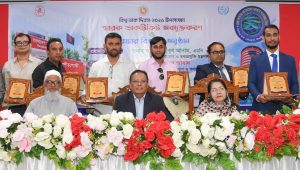



Royal Footwear PLC is turning to the capital market to reduce financial pressure and accelerate expansion, with the export-oriented footwear maker expecting a 50-60 per cent rise in profit after using fresh funds to repay loans, lower interest costs and strengthen production.
The company also expects revenue growth of 20-30 per cent as the new capital improves working capital, supports raw material purchases and helps maintain smooth production.
Royal Footwear will raise Tk12 crore by issuing 12 million shares at Tk10 each to qualified investors through the SME platform under its Initial Qualified Investor Offer (IQIO), approved by the Bangladesh Securities and Exchange Commission on 14 July.
The company plans to use Tk8 crore of the proceeds to repay bank loans, Tk2 crore to purchase raw and packaging materials, Tk1.67 crore for spare parts and Tk33 lakh for IQIO-related expenses.
By allocating two-thirds of the funds to debt repayment, Royal Footwear expects to reduce interest expenses and ease cash-flow pressure.

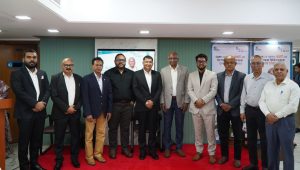
“Repaying a significant portion of our bank loans will reduce interest expenses. At the same time, ensuring adequate supplies of raw materials and spare parts will reduce the risk of production disruptions,” Royal Footwear Chairman Md Zakir Hossain Patwari said in a press briefing at its factory complex recently.
The company said the expected profit growth would depend on production performance, export demand, interest expenses and international market conditions.
Royal Footwear, a 100 per cent export-oriented footwear manufacturer, supplies products to global brands including Deichmann, Intersport, Arena, RedTape, Kappa, Admiral, Bata, CAT, Umbro, Lidl and Fila.



The company exports footwear to Germany, Italy, Poland, Switzerland, the United States and the United Arab Emirates. It also supplies products to ROSS, a major US footwear retailer.
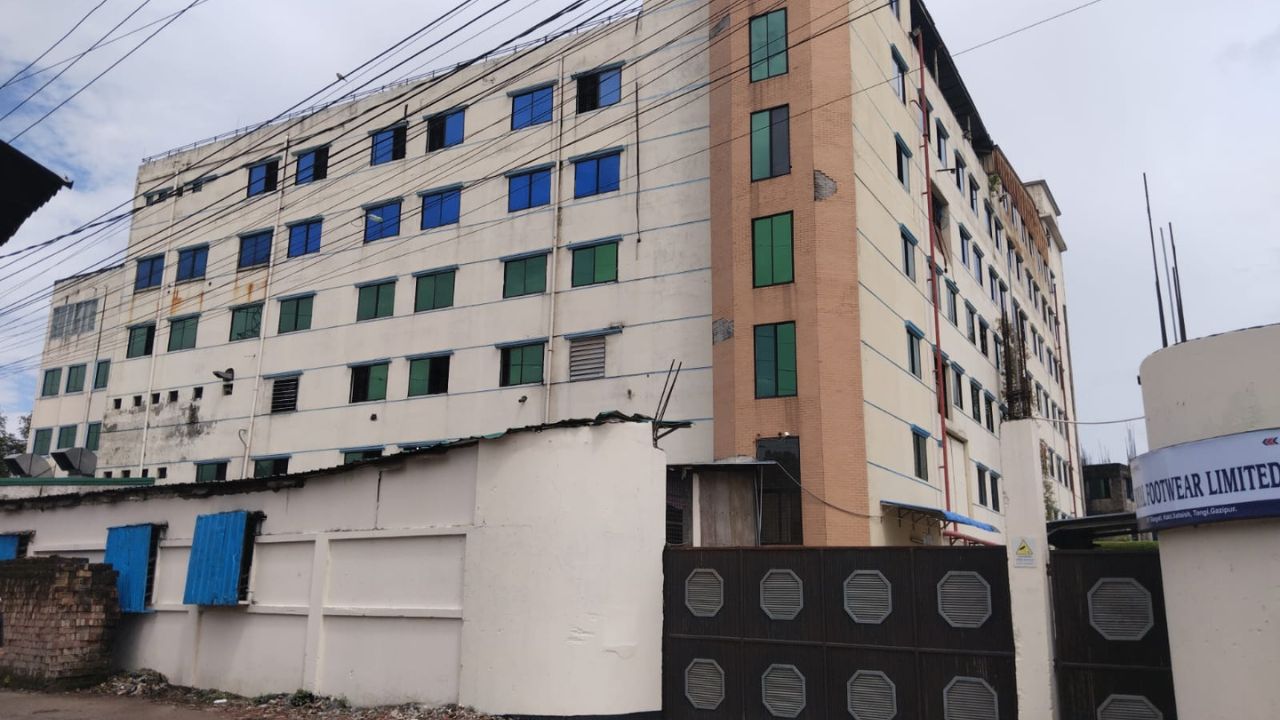
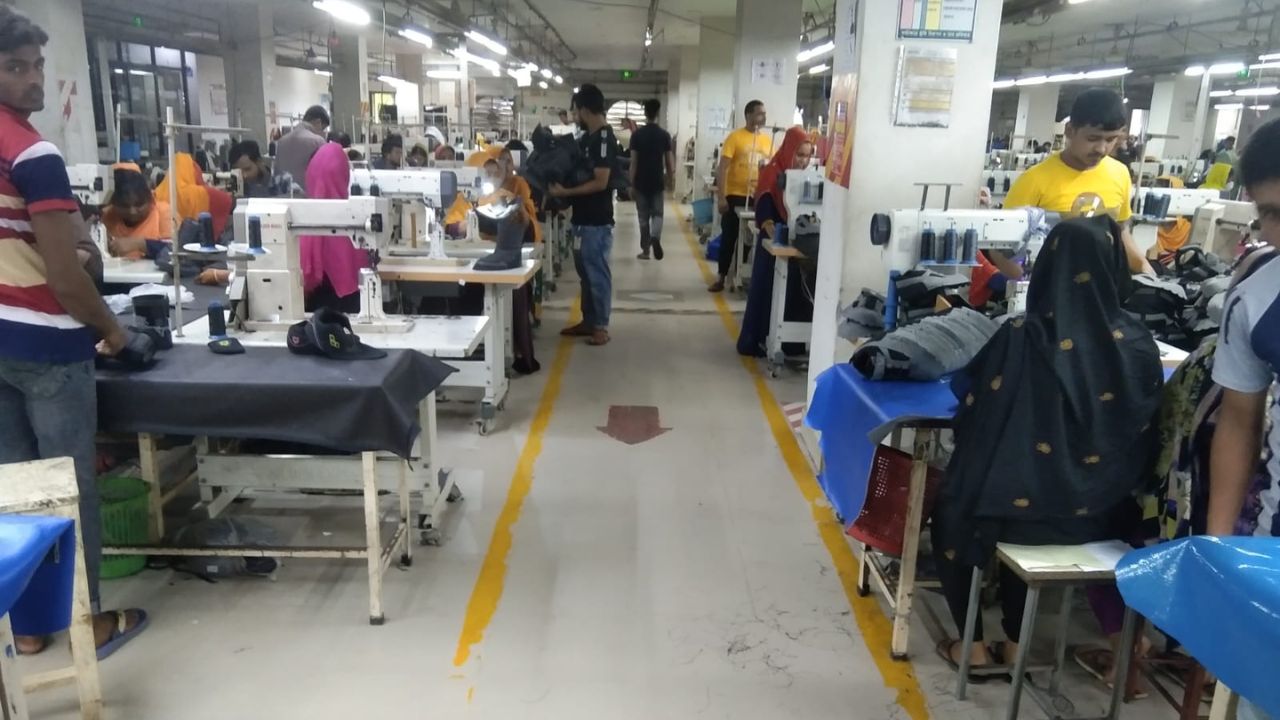
Three production lines at its factory in Tilargati, Tongi, Gazipur, are currently operating at full capacity, with around 750 workers engaged in production.
The workforce rises above 1,200 during the winter season when the factory operates in two shifts.
The company plans to establish a second production unit on 206 decimals of land in Ashulia. The new facility is expected to increase capacity, meet growing demand from existing buyers and attract new international customers.
For Royal Footwear, a capital-market listing is also a way to strengthen credibility with global buyers.
The company said international buyers, particularly in Europe, are increasingly assessing suppliers on corporate governance, transparency, compliance and accountability alongside product quality, pricing and production capacity.
Several buyers have encouraged Royal Footwear to become a listed company, according to company officials. They believe stronger governance and compliance could help the company secure larger orders from international brands.
Patwari said the listing would improve transparency, accountability and corporate governance while increasing confidence among buyers.
Royal Footwear’s latest fundraising effort follows an earlier attempt in 2024, which it withdrew amid political uncertainty, a slowing economy and an unfavourable business environment. With conditions improving, the company revived its plan to raise funds through the SME platform, and this is going to be the first listing on the bourses in more than two years.
Established in 2014, Royal Footwear has a paid up capital of over Tk33.86 crore, while its half-yearly revenue stood at nearly Tk53 crore, securing Tk2.78 crore as net profit in the July-December period of 2025.