The Bangladesh Atomic Energy Regulatory Authority (BAERA) has granted approval for “Stage-C” or power startup operations at the first unit of the Rooppur Nuclear Power Plant, following the successful completion of required physical startup testing.
This milestone enables the plant to incrementally increase reactor capacity, generate power, and advance preparations for experimental electricity supply to the national grid.
Nuclear Power Plant Company Bangladesh Limited (NPCBL) Managing Director Zahedul Hassan, confirmed on Thursday evening that BAERA Chairman Mahmudul Hasan issued the requisite operational permission.
According to project officials, this clearance completes a crucial regulatory step, with trial electricity feeds into the national grid anticipated next month if commissioning activities progress according to schedule.

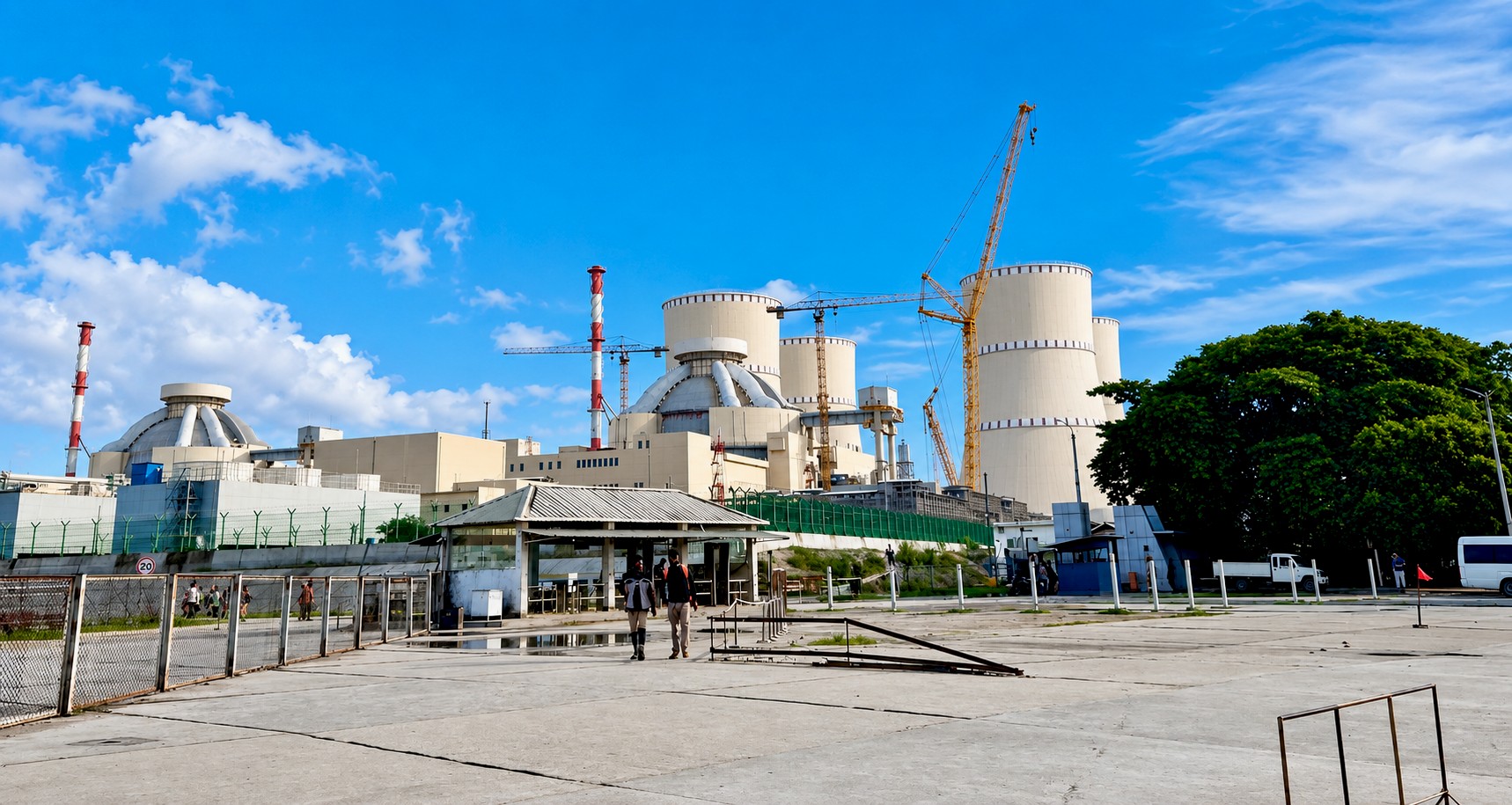
The Stage-C clearance follows the completion of Stage B-2 physics testing and other necessary trial operations, the reports for which were formally submitted to the regulatory authority. Zahedul Hassan explained that BAERA has issued trial operational approval to the plant’s operating organisation as the facility transitions from physical startup to the power startup phase.
Under Stage-C, comprehensive testing will be carried out on the reactor, primary and secondary coolant systems, turbine-generator, electrical equipment, instrumentation and control systems, alongside safety and protection systems.
The primary objective of this phase is to ensure the safe, stable, and reliable operation of the plant while verifying its capability to deliver trial power to the national electricity grid.




As reactor capacity is gradually raised, key machinery and systems, including turbine control and protection mechanisms, the generator, and related electrical apparatus- will be closely monitored under normal operating conditions.
Maintaining effective coordination between the reactor, turbine, and safety systems is vital, as is ongoing inter-agency alignment involving BAERA, the Ministry of Science and Technology, national power grid operators, security agencies, law enforcement, and nuclear emergency management bodies.
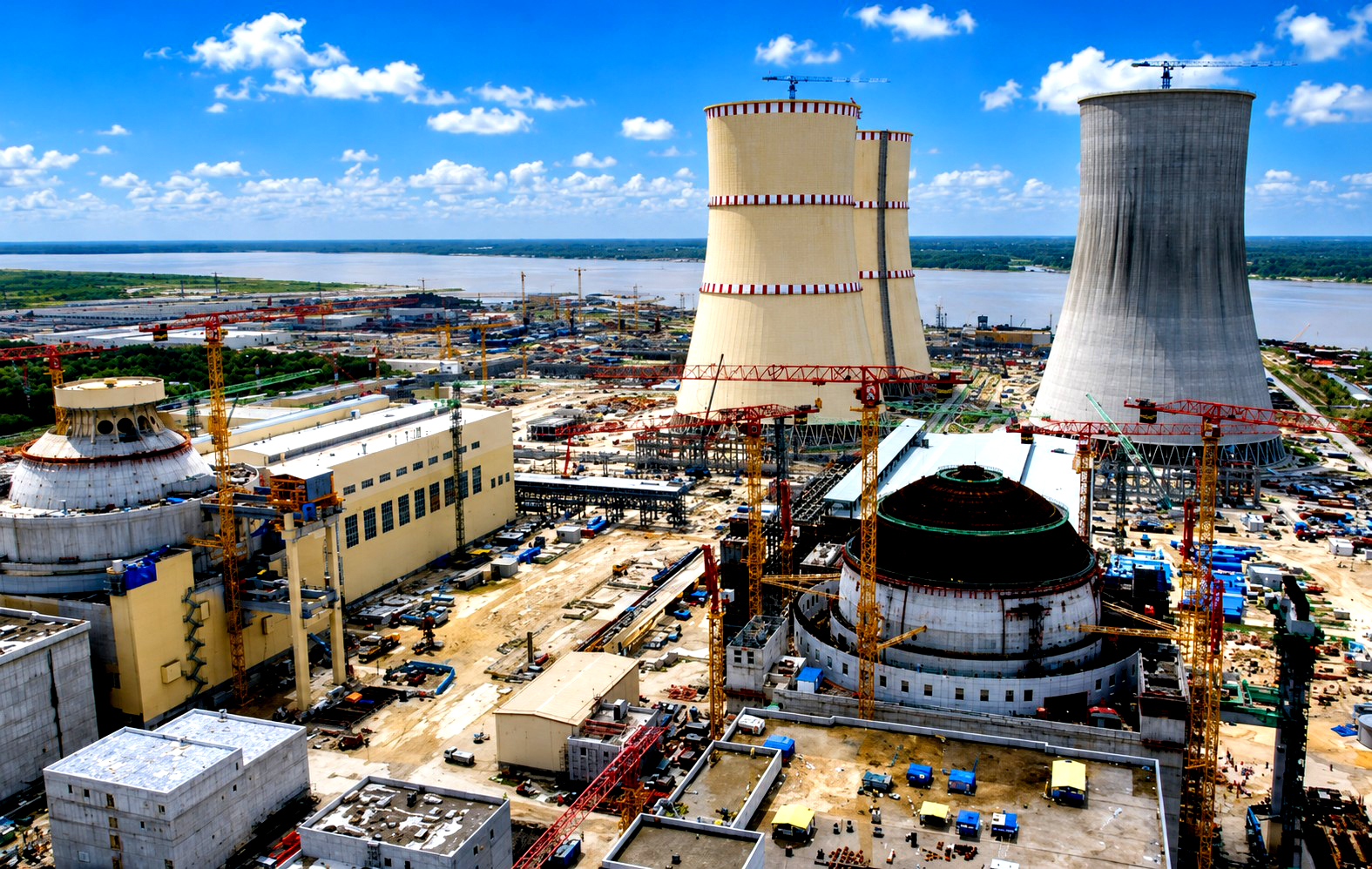
A major milestone of Stage-C involves connecting the generator to the national power grid to test stable power supply capabilities during grid synchronisation. Testing will initially begin at low reactor thermal power and will be progressively scaled up based on technical evaluations, with experimental grid supply expected once reactor thermal capacity reaches 30 to 35 per cent.
Subject to test outcomes, commissioning progress, and meeting regulatory conditions, project authorities anticipate supplying at least 300 megawatts (MW) of electricity from Unit-1 to the national grid by December this year.

Officials emphasised that completing Stage-C testing, commencing trial power supply to the grid, and entering commercial production constitute three distinct milestones. Receiving power startup approval does not signify the immediate start of commercial operations, and performance checks across all plant systems will continue even after experimental power feed begins.
The Rooppur Nuclear Power Plant comprises two units with a generation capacity of 1,200 MW each, providing a total plant capacity of 2,400 MW when fully operational. Once commercial nuclear power generation begins, Bangladesh will join the ranks of commercial nuclear power-producing nations, enhancing domestic energy security and nuclear technology expertise.
The plant is being constructed using Generation III+ technology, among the world’s most advanced nuclear power technologies- and has a design lifespan of 60 years.
Originally slated for completion by December 2025, the project timeline has been extended twice to June 2028, with the total project cost rising to Tk 1,38,686 crore due to the appreciation of the US dollar exchange rate and other financial factors.