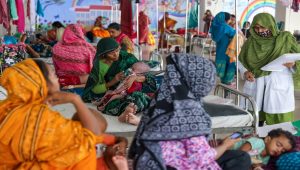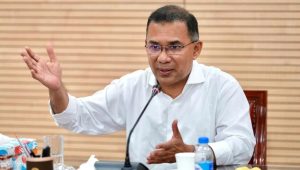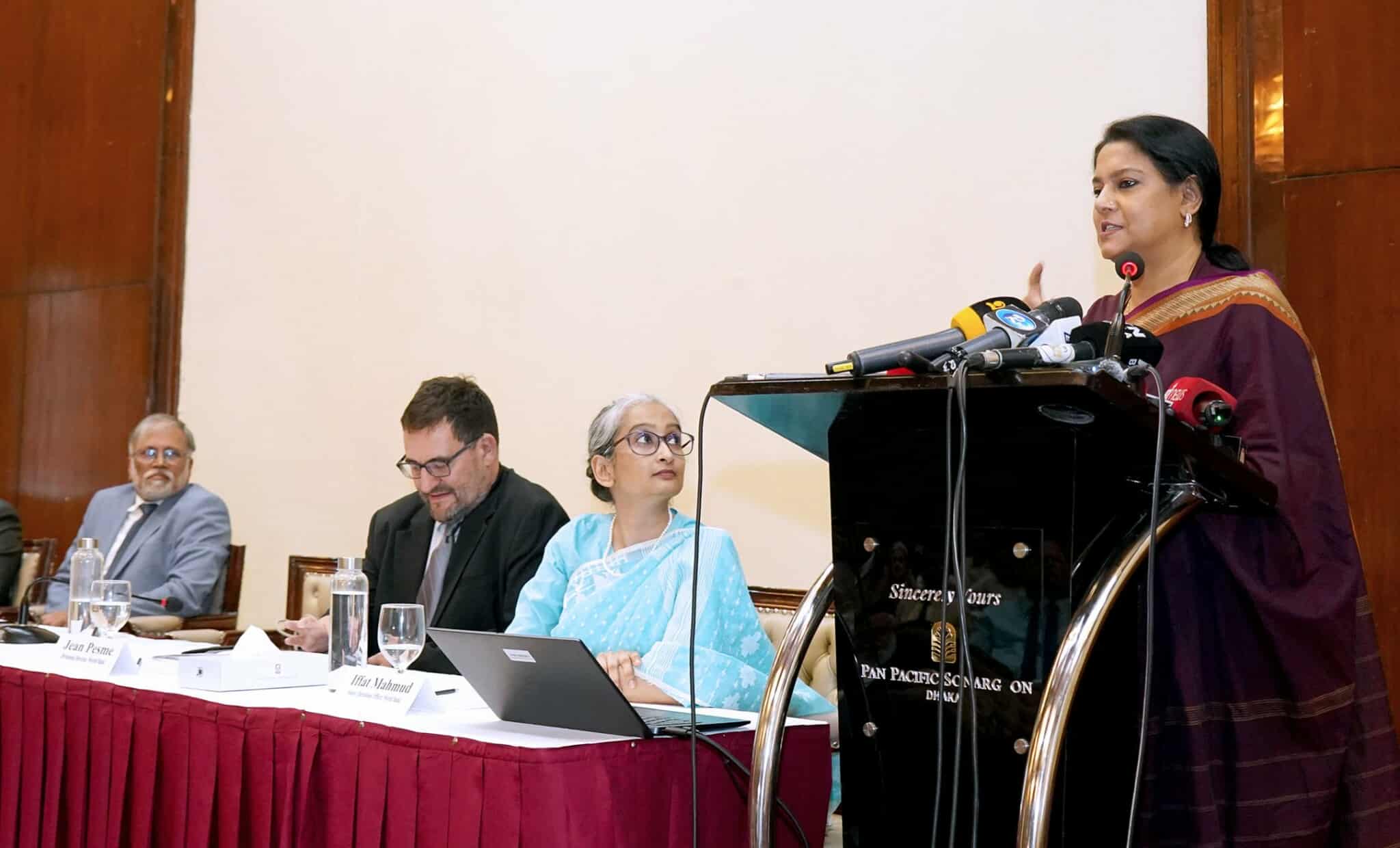



Adviser to the Ministry of Environment, Forest and Climate Change, Syeda Rizwana Hasan, stated that rising temperatures are no longer a theoretical issue but a real-life experience for every citizen of Bangladesh. “Although rising temperatures are a global phenomenon, their impact is much more severe in Bangladesh, posing a serious threat to our public health and economy,” she remarked.
She made these comments while delivering the chief guest’s speech at the launch event of the World Bank report titled “An Unsustainable Life: The Impact of Heat on Health and the Economy of Bangladesh,” held at Hotel Pan Pacific Sonargaon in the capital on Tuesday.
She emphasised that the recommendations should not remain confined to research reports but must be transformed into time-bound action plans. Every organisation must clearly define its role, and national-level partners must take responsibility to ensure these recommendations translate into effective measures.

Addressing the challenges of urban planning, the Environment adviser stated that to combat heatwaves, we must rethink our urban planning – less concrete, more greenery, efficient public transportation, rooftop gardens, and strict implementation of land-use plans are essential. She further noted that city corporations have already initiated extensive greening programs, but these efforts need to be expanded further.

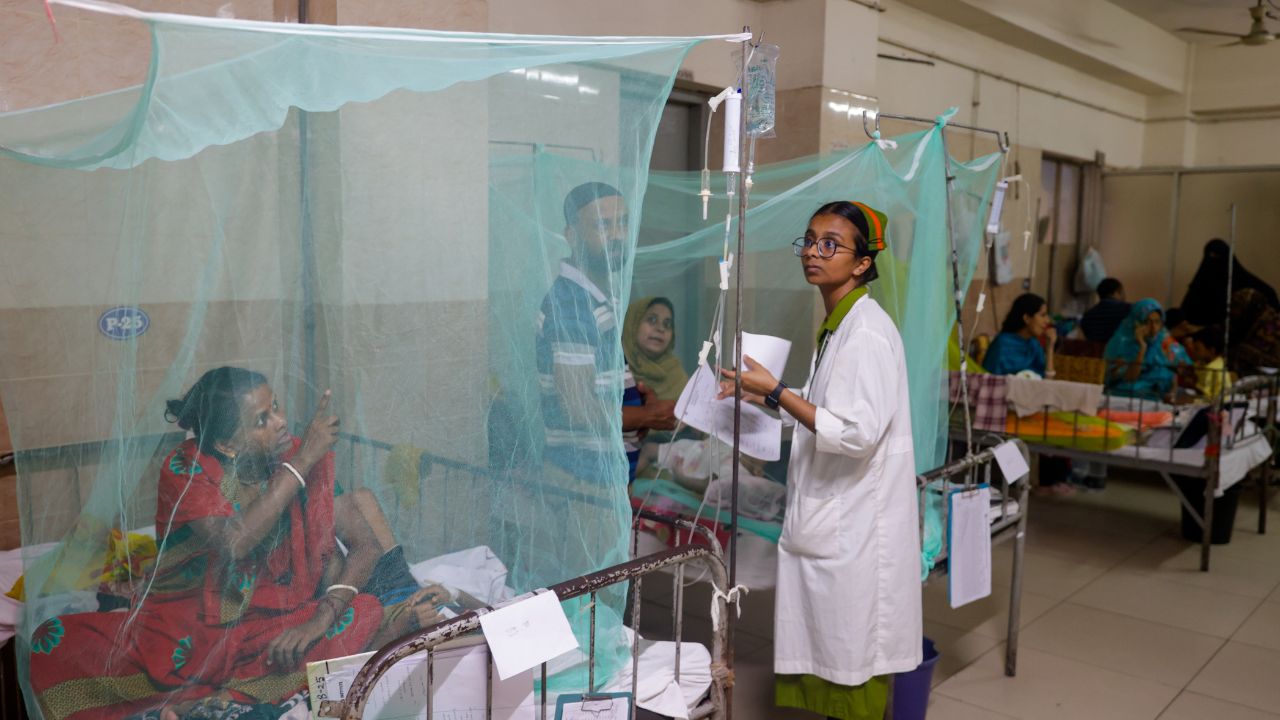


Syeda Rizwana Hasan also highlighted the connection between climate resilience, good governance, and changes in citizen behaviour. She said, “Along with structural reforms, we also need a cultural shift. Small steps – such as reducing unnecessary electricity usage – can have a significant impact. A green city means a healthy life.”
Speaking as special guests at the event were Special Assistant to the Ministry of Health and Family Welfare Professor Dr Md. Sayedur Rahman, Divisional Director for Bangladesh and Bhutan, World Bank Jean Pesme, and Practice Manager, South Asia Health, Nutrition, and Population Practice Dr Feng Zhao.
The keynote presentation was delivered by World Bank Senior Operations Officer Iffat Mahmud and Senior Health Specialist Wameq A Raza.