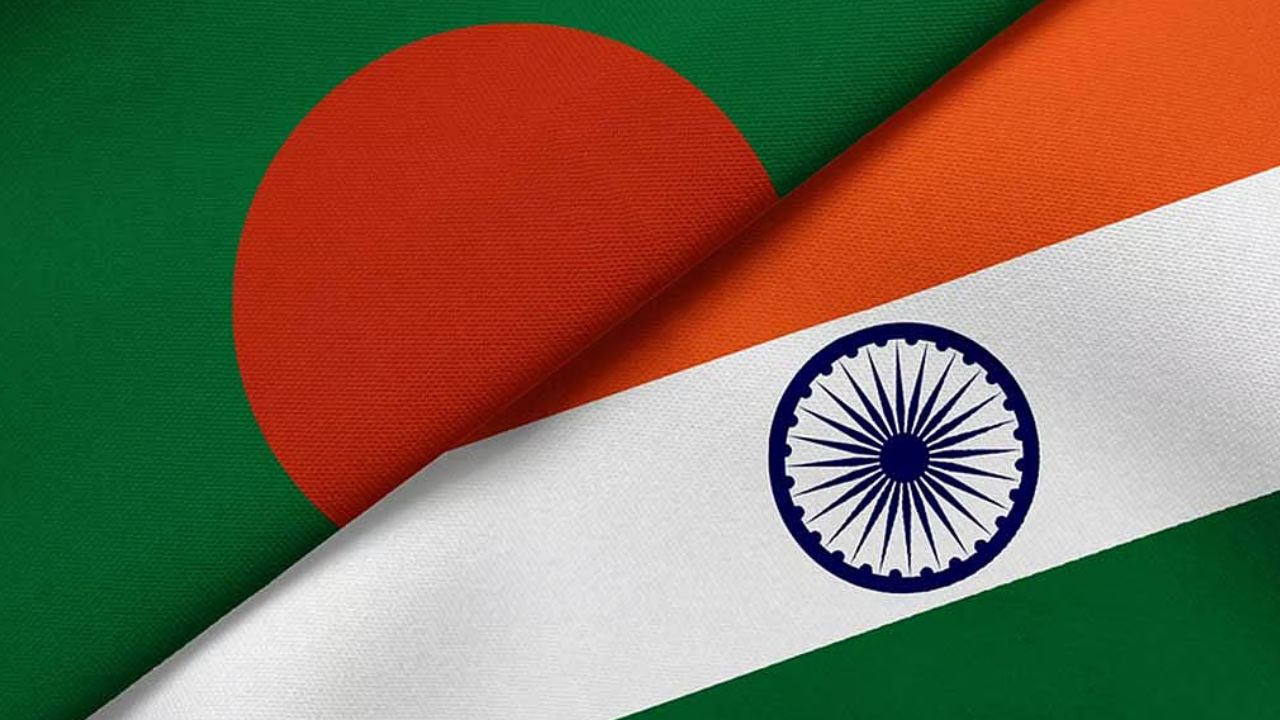



Delhi is seeking stronger ties with Dhaka as part of a broader effort to promote regional stability—an objective that also aligns with Washington’s strategic interests in South Asia, diplomatic analysts say.
The convergence of interests is also being viewed in the context of the US strategy to balance China’s growing influence in the region, in which India remains a key partner.
Against this backdrop, India has stepped up efforts to initiate high-level political engagement with Bangladesh.
New Delhi has conveyed two invitations to Prime Minister Tarique Rahman—one to attend the BRICS Summit in his capacity as BIMSTEC Chair and another for a standalone bilateral visit at a mutually convenient date.
Apparently as part of these efforts, the Indian government on Thursday informed the Parliamentary Standing Committee on External Affairs that former prime minister Sheikh Hasina had not been allowed to use Indian territory for political activities directed against Bangladesh.
According to the committee, India has maintained the principle that its territory should not be used for political activities against another country, which diplomatic observers describe as a signal of its intent to rebuild bilateral relations.
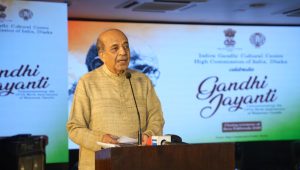
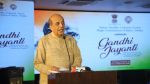
The diplomatic outreach gained momentum after newly appointed Indian High Commissioner Dinesh Trivedi met Foreign Minister Khalilur Rahman on Wednesday.

Speaking after the meeting, Trivedi said, “We are anxiously waiting for the prime minister (Tarique Rahman) to visit India, and I’m sure it will happen in the near future. We are very hopeful and looking forward to it.”
Diplomatic observers see these developments as positive signals from New Delhi but caution that they must now be matched by concrete action.
“There are several irritants in bilateral relations,” one analyst said. “The first priority for both governments should be to avoid creating new ones while addressing the existing sources of tension.”
An Indian foreign ministry source acknowledged that New Delhi was keen for the visit to take place and was prepared to facilitate it. The source said the visit could either be a standalone bilateral trip or be linked to the prime minister’s participation in the BRICS Summit as BIMSTEC Chair.



Former diplomats, however, argue that Dhaka should carefully weigh national interests and domestic political sensitivities before making any decision on the proposed visit.
Regional stability
Analysts say stability in South Asia remains essential for regional peace, security and economic prosperity, particularly as the region continues to face recurring political and humanitarian challenges.
Political developments such as Gen Z movements in different countries, domestic unrest in neighbouring countries, including India, Nepal and Sri Lanka, and the protracted Rohingya crisis all have the potential to affect regional stability.
While both Dhaka and Delhi recognise the importance of maintaining a functional relationship, analysts believe progress has been slowed by lingering mistrust and policy differences.
A former diplomat said India must ensure that its conciliatory messages are reflected in policy.
“Delhi’s recent gestures are positive, but they are not enough by themselves to restore a normal and workable relationship,” he said.
Another former diplomat noted that the United States also has a strong interest in regional stability and could quietly facilitate improved ties between Bangladesh and India.
US Special Envoy for South and Central Asian Affairs Sergio Gor, who also serves as the US ambassador to India, is currently visiting Bangladesh on his maiden official trip.
Asked whether Bangladesh-India relations would be a matter of interest during his visit, the former diplomat said it would be entirely natural.
“As both the US special envoy and ambassador to India, he would naturally want to understand the current state of Dhaka-Delhi relations during his discussions with Bangladeshi officials,” he said.
Gor-Trivedi meeting
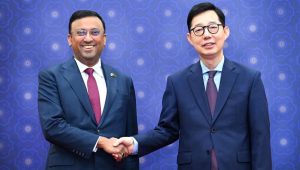
Sergio Gor met Indian High Commissioner Dinesh Trivedi on Friday at a hotel in Dhaka, although neither side disclosed the agenda of the meeting.
The US special envoy held talks with Foreign Minister Khalilur Rahman and senior officials on Thursday evening, focusing on trade, energy cooperation and other bilateral issues. He is scheduled to call on Prime Minister Tarique Rahman on Saturday.
On Friday, Gor travelled to Cox’s Bazar with a 14-member US delegation to visit the Rohingya refugee camps in Ukhiya.
Accompanied by US Ambassador to Bangladesh Brent T Christensen and other officials, the delegation inspected conditions in the camps after arriving directly from Cox’s Bazar Airport.
The delegation observed the overall situation from the watchtower at Camp-8 before visiting an International Rescue Committee-run hospital, a World Food Programme food distribution centre in Camp-4, Camp-4 Extension, Camp-8W and Camp-6.
US officials received briefings from humanitarian agencies on living conditions, food assistance, education, healthcare and other relief operations for Rohingya refugees.
The visit concluded with a meeting involving Refugee Relief and Repatriation Commissioner Mohammad Mizanur Rahman, government officials and development partners at North End Coffee House in Ukhiya South Station.