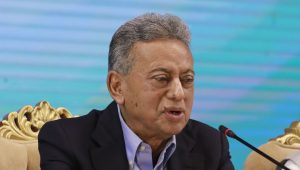
Institutionalising knowledge-based decision making across government is essential to fixing Bangladesh’s weakest governance link, the Centre for Policy Dialogue (CPD) said on Saturday.
“Knowledge-based decision making must rest on credible data, rigorous analysis, stakeholder engagement, transparency and accountability, legal and ethical alignment, and implementation capacity,” said CPD Research Director Khondaker Golam Moazzem.
On the government’s 180-day priorities and medium-term agenda, he said reforms must advance simultaneously within the first 180 days and over the next five years, reflecting the scale of structural challenges.
Bangladesh frequently adopts sound policy frameworks but falters in execution, with weak implementation and opaque processes remaining the most serious governance gaps, he said.
On revenue mobilisation, the think tank said Bangladesh has one of the lowest tax-to-GDP ratios in Asia.
Raising the ratio to 7 to 10 per cent in the near term and to 15 per cent by 2035 would be realistic, provided tax fairness and institutional reform are ensured, it said.

CPD proposed cutting value-added tax slabs from eight tiers to three — standard, reduced and zero — before eventually shifting to a two-tier structure, aiming for single-digit rates over time.
The reduced rate should apply only to a narrowly defined list of essential goods and services, it said.
Khondaker Golam Moazzem called for reassessing tax exemptions for non-essential services and phasing out what he termed disproportionate fossil-fuel incentives, including tax benefits for fossil-based power producers.
Instead of sector-specific incentives, he proposed performance-based corporate tax benefits tied to investment, export growth and employment generation.



To strengthen governance within the National Board of Revenue, he recommended mandatory digital tax return submissions for all entities, independent oversight within the policymaking structure and a dedicated digital tax dispute resolution system capable of settling cases within 30 to 45 days.
He also proposed secure, bidirectional data exchange among Bangladesh Bank, commercial banks and the National Board of Revenue to enable automated cross-verification of declared income with bank transactions, supported by data analytics and artificial intelligence.
On the business climate, he flagged corruption, informal payments and weak accountability as persistent barriers.
He urged the appointment of tax, banking and business ombudsmen, full digital integration among regulatory agencies and unified documentation systems.
While welcoming major infrastructure initiatives, he cautioned that implementation must align with fiscal capacity to avoid overcommitment.
On the reciprocal trade agreement with the United States, he described it as highly unequal and warned it could narrow policy space, complicate least developed country graduation strategy and weaken export diversification.
Provisions relating to tariffs, regulatory standards, intellectual property and compliance requirements may impose asymmetric obligations, limiting flexibility in industrial policy and future trade negotiations, he said.
In the power and energy sector, he questioned the target of 35 gigawatts of generation capacity by 2030 and called for a reassessment of demand projections.
He urged a halt to new fossil-fuel-based generation, the introduction of an independent system operator for the grid, stronger renewable energy auctions and regulatory frameworks, modernisation of Bangladesh Petroleum Exploration and Production Company, and reduced reliance on imported liquefied natural gas.
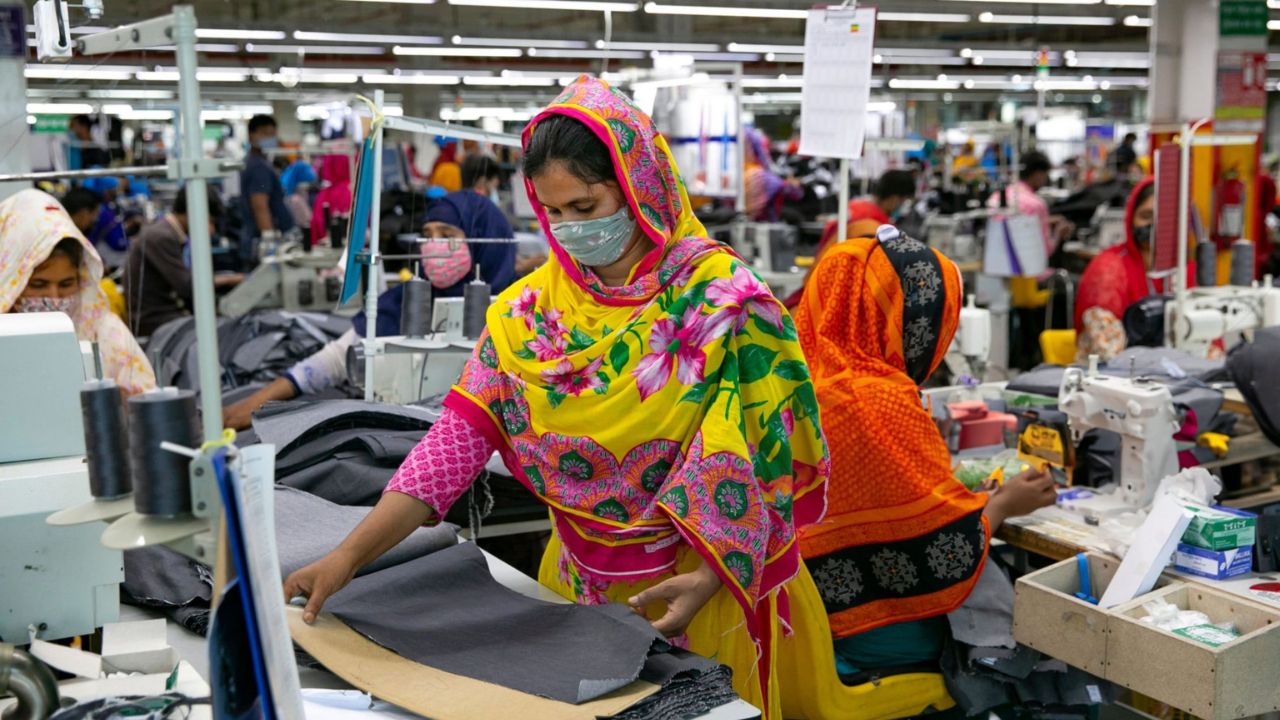
On labour governance, he said weak enforcement and limited protection of the right to organise remain serious shortcomings.
He called for stronger labour inspection, transparent minimum wage-setting, unified legal frameworks for export processing zones and swift passage of pending labour legislation.
An estimated 3.5 million children remain in work, including around one million in hazardous conditions. Accelerated implementation of the National Plan of Action to eliminate child labour by 2030 is needed, he said.
He also stressed decentralisation, calling for prompt local government elections and greater fiscal autonomy beyond Dhaka-centric administration.
Parliament must function as an effective oversight body by encouraging private members’ bills and empowering standing committees to ensure accountability, he said.
Without transparency, institutional reform and sustained implementation efficiency, reform commitments risk remaining rhetorical rather than transformative, he added.