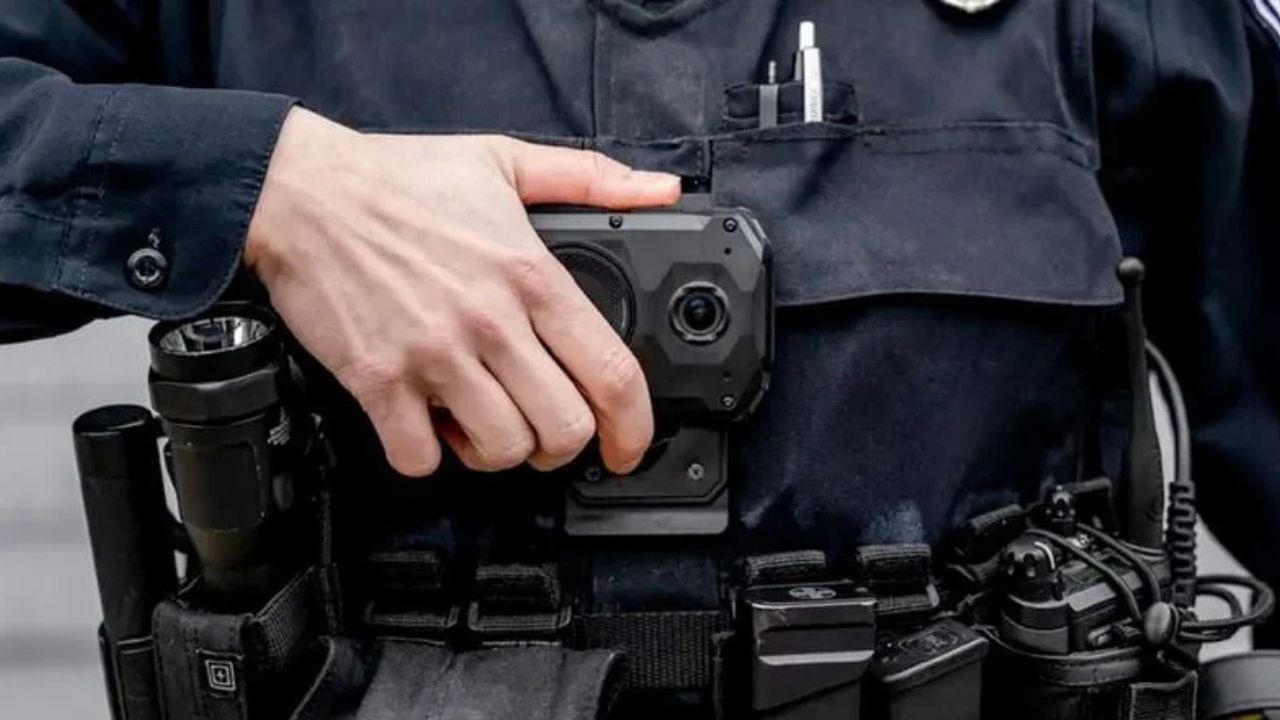

With the 13th parliamentary election approaching, law enforcement and security agencies have rolled out one of the largest security operations in the country’s electoral history, citing concerns over illegal weapons, explosives and possible attempts to disrupt the vote.
Acting on government instructions, police, the armed forces and intelligence agencies have intensified patrols, raids and surveillance across the country, particularly in the capital and border regions.
A joint security operation, dubbed Operation Devil Hunt-2, is currently under way to recover illegal firearms and arrest suspected criminals, amid fears that stolen and illicit weapons could be used to create chaos during polling.
Authorities say intelligence activity has been stepped up nationwide in response to what officials describe as “unknown but credible threats” to the electoral process. While security forces are maintaining a visible presence on the ground, officials have also acknowledged reports of weapons and ammunition entering the country through border routes, despite ongoing interdiction efforts.
Home Adviser Jahangir Alam Chowdhury said that even if “two or four weapons” manage to cross the border, they are being seized through heightened surveillance. He insisted monitoring along border areas has been significantly strengthened.
Inspector General of Police Baharul Alam said that for the first time in the nation’s history, around 150,000 police personnel have undergone election-specific training in preparation for the polls.

According to the Home Secretary Nasimul Ghani, more than 900,000 members of law-enforcement and security agencies will be deployed to maintain order during the election and the accompanying referendum. The joint forces will remain in the field for four days before polling and seven days afterwards.
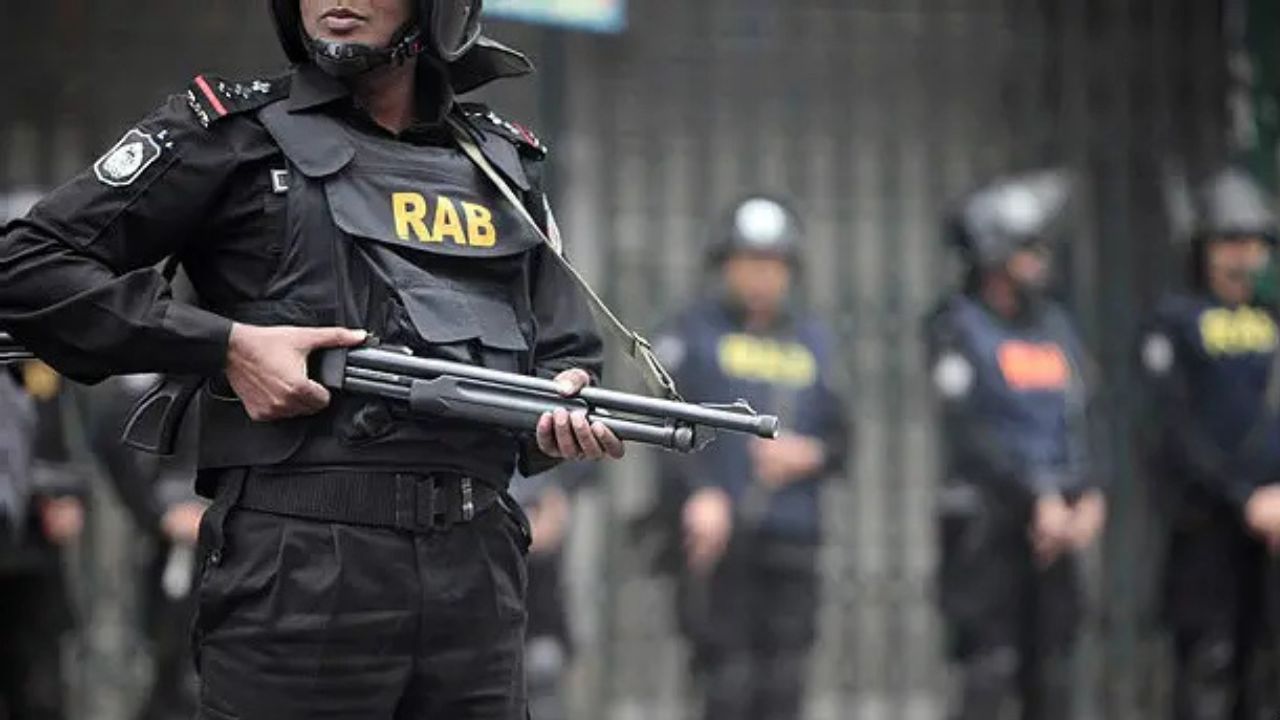
Among those deployed are more than 100,000 army personnel, over 5,000 navy members, 3,730 air force personnel, more than 150,000 police officers, 576,000 members of the Ansar and Village Defence Force, 38,000 Border Guard Bangladesh (BGB) members, 3,500 Coast Guard personnel, around 8,000 Rapid Action Battalion (RAB) members, and 13,390 Fire Service and Civil Defence staff.
The chiefs of the three armed forces have publicly emphasised their readiness. Army Chief General Waker-Uz-Zaman said all institutions — including the government, Election Commission, police and armed forces — were fully engaged in ensuring a smooth election.
Navy Chief Admiral M Nazmul Hasan said day-and-night operations were under way to keep criminals in a constant state of fear, stressing that the sole objective was a “free, fair and impartial election.”


Air Chief Marshal Hasan Mahmood Khan called for increased visible presence of deployed personnel, warning against complacency in the field.
A special three-day security framework has been put in place covering the day before polling, election day and the day after. The Chief Adviser’s Office and the Ministry of Home Affairs have instructed all forces to coordinate closely to ensure uninterrupted security in all 299 constituencies, from ballot distribution to the announcement of results.
Official figures show that between the announcement of the election schedule and 3 February, the armed forces recovered 199 weapons and 1,972 rounds of ammunition, while arresting 1,807 people nationwide.
Despite these measures, a series of recent incidents has heightened anxiety. Explosions at a madrasa in Keraniganj and outside the residence of Maulana Jasim Uddin Rahmani in Mohammadpur, the arrest of a suspected militant from Zia Udyan, and the recovery of a large cache of illegal weapons and explosives in Jashore’s Bagharpara upazila have raised alarm. Items seized in Jashore included 10 powerful grenades, three foreign pistols, 19 rounds of pistol ammunition, a machete, a knife and a razor. Police counter-terrorism units have indicated possible militant links behind the recovered weapons.
Additional concern arose after two labourers were injured in a bomb explosion while cutting soil in Balunda village of Sharsha upazila in Jashore. In Shariatpur, former Jatiyatabadi Chhatra Dal leader Ismat Jahan, also known as Elora Hawladar, was arrested with several firearms. These incidents, analysts say, have intensified fears of electoral violence.
Security agencies have also reported repeated seizures of high-powered explosives entering through the Sylhet border. RAB officials say electric detonators and power gel — both considered highly destructive — have been recovered in multiple consignments, although no suspects have yet been arrested in connection with these shipments.
Locals claim that power gel and electric and non-electric detonators are commonly used in stone quarries in India’s Meghalaya state. However, police say there is no record of such materials being legally used in Sylhet’s stone sector.
The latest seizure occurred late on 2 February, when BGB recovered a consignment from Taradorm area of South Shahbazpur Union in Barlekha upazila. The haul included 24 high-powered power gel sticks, 23 detonators, 15 metres of detonator cord and three pipe guns. The recovered power gel bore markings indicating manufacture by SBL Energy Limited in Nagpur, India.
Earlier recoveries in Sylhet and Sunamganj included, since 5 August 2024, a total of 16.57 kilograms of Indian explosives, 119 detonators, one sound grenade, five petrol bombs, 11 cocktails, large quantities of ammunition and 106 airguns, according to RAB-9. During the same period, 42 domestic and foreign firearms, 104 rounds of ammunition and six magazines were also seized.
Security experts warn that even small quantities of electric detonators and power gel can cause large-scale damage, making them attractive tools for sabotage. RAB-9 media officer additional superintendent of police KM Shahidul Islam Sohag said such materials are typically used to manufacture powerful explosives and may have been brought in for subversive purposes.
Political reactions have varied. Sylhet BNP president Abdul Qaiyum Chowdhury said illegal and looted police weapons had yet to be fully recovered and urged law-enforcement agencies to intensify efforts.
Jamaat-e-Islami Sylhet city chief and local alliance coordinator Muhammad Fakhrul Islam warned that the continued inflow of explosives posed serious security risks. Former Sylhet District Bar Association president Shahidul Islam Shaheen said the explosives were “clearly being brought in with malicious intent” ahead of the election.
However, Sylhet Range additional deputy inspector general (acting) Md Anwarul Haque sought to downplay the impact, saying the explosives were commonly used in Indian stone mines and that Sylhet’s overall law-and-order situation remained normal. He said the recoveries would not affect the electoral environment.
Meanwhile, in Shariatpur, a joint operation by the army led to the arrest of Ismat Jahan alias Elora Hawladar, former joint convener of the district Chhatra Dal and wife of Manjurul Alam Montu Talukder.
The raid, conducted by members of the 5 East Bengal Regiment, recovered three modern firearms, 140 rounds of ammunition, magazines, drugs and a wide range of electronic devices and documents. A separate operation the same night led to the arrest of another individual with locally made weapons and an electric shock device.
Lieutenant Colonel Mia Mohammad Mehdi Hasan, commanding officer of the 5 East Bengal Regiment, said such operations would continue throughout the election period to maintain law and order.