In the mist-covered hills of Myanmar’s Kachin state, where dense forests once nourished clear streams, a dangerous transformation is underway. Vast pools of toxic chemical runoff from rare earth mining now scar the landscape, seeping into tributaries that eventually feed the mighty Mekong River, the lifeline of Southeast Asia.
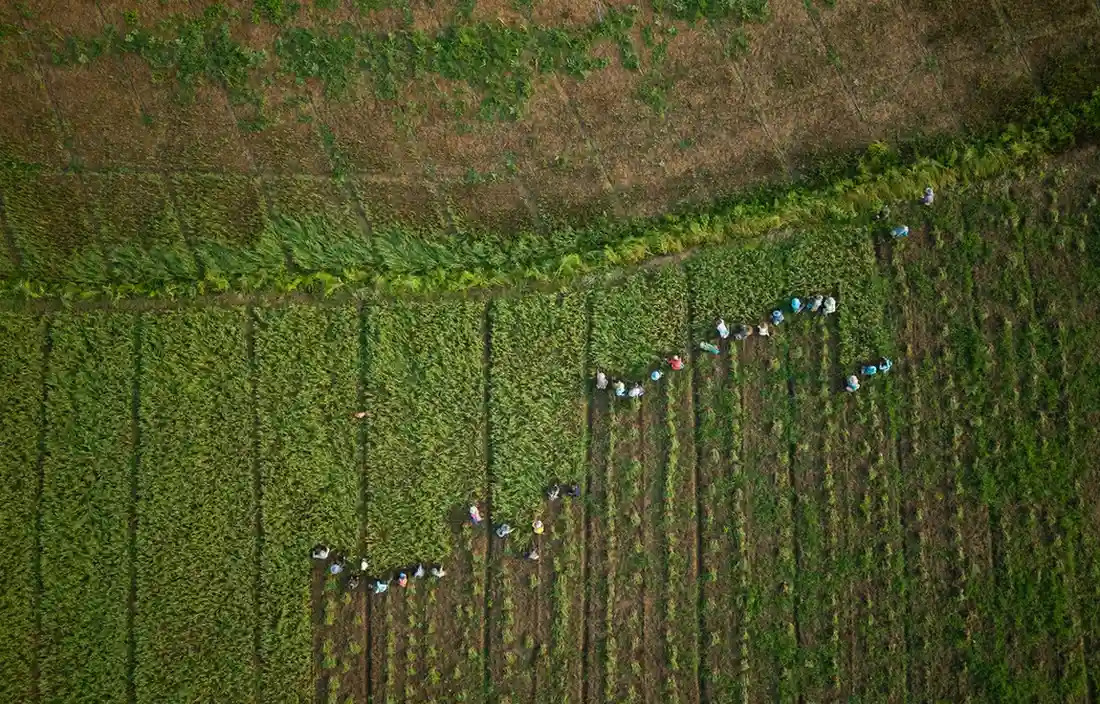
A recent AP investigation has revealed that largely unregulated rare earth mining in Myanmar and Laos is contaminating waterways linked to the Mekong Basin, placing nearly 70 million people at risk. For millions across Southeast Asia, this river is far more than water; it is a source of food, agriculture, livelihoods and survival.
Rare earth elements are indispensable to the modern world. They power smartphones, electric vehicles, wind turbines and advanced military technologies.

Yet beneath the global push for clean energy lies a troubling contradiction: the greener future embraced by wealthy nations is increasingly being built on environmental destruction in poorer, politically unstable regions.
In Myanmar’s mining zones, chemicals are pumped directly into hillsides to extract valuable minerals, leaving behind barren forests, toxic waste ponds and waterways contaminated with arsenic, lead, mercury and cadmium. Satellite investigations have shown these mining operations expanding rapidly in recent years, often in remote regions where oversight is weak or nonexistent.




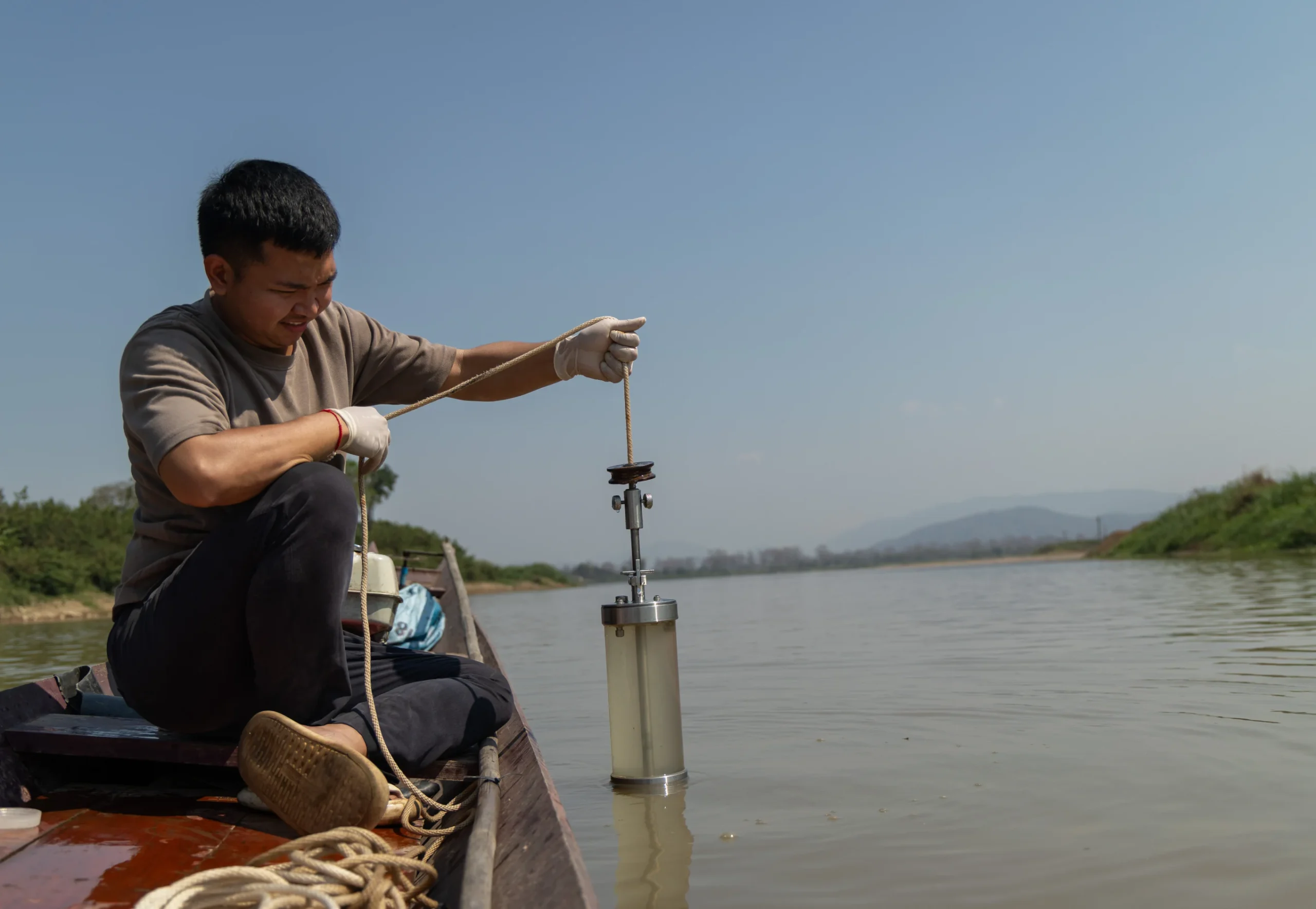
But the damage does not stop at the mine. The Mekong Basin, stretching across Thailand, Laos, Cambodia and Vietnam, supports one of the world’s richest agricultural and fishing economies.
Polluted tributaries now threaten rice fields, freshwater fisheries and public health across national borders. Communities downstream fear not only economic devastation, but a future where poisoned land and unsafe water force generations from their homes.
This is no longer simply a regional environmental crisis. It is a global ethical dilemma. Can the world truly celebrate electric cars and renewable energy as sustainable if their foundations are built on poisoned rivers, destroyed ecosystems and sacrificed communities?
The unfolding crisis in the Mekong is a stark warning: progress without accountability does not eliminate pollution. It merely shifts the burden elsewhere. Beneath the promise of green technology lies an unsettling reality: sometimes, the price of “clean” energy is paid in someone else’s land, health and water.