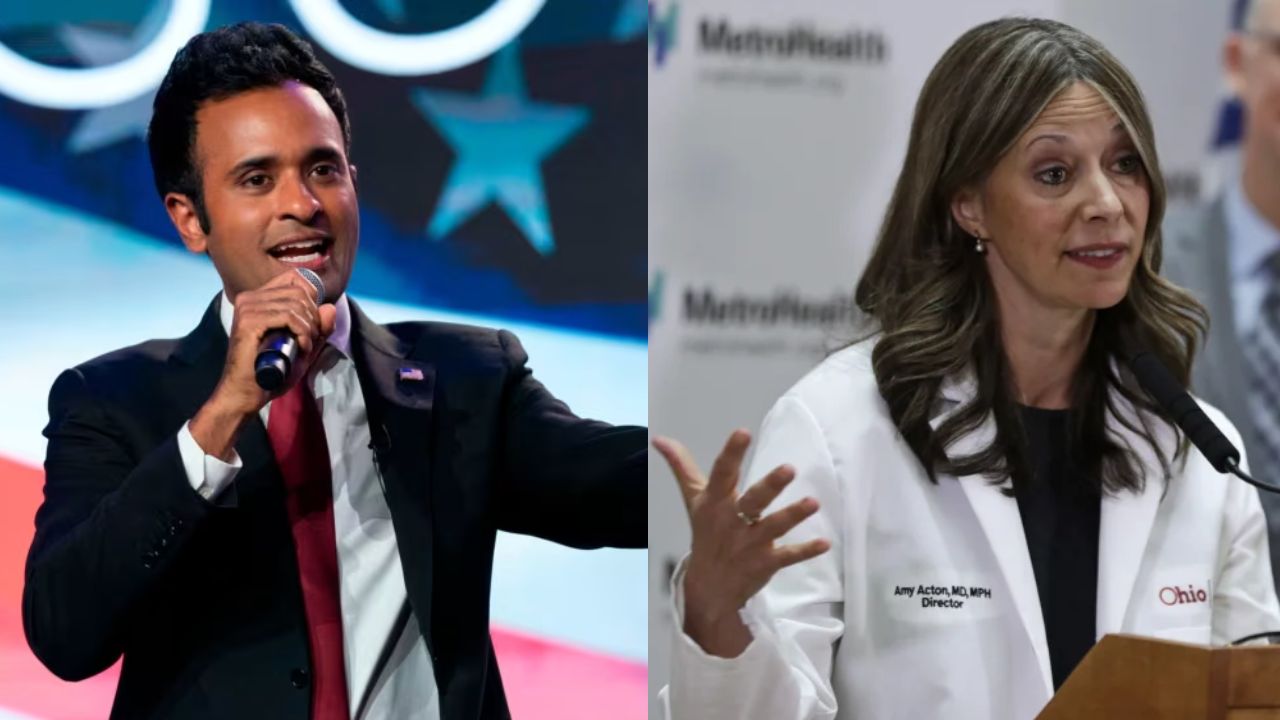



Health-technology entrepreneur Vivek Ramaswamy and former public health director Amy Acton have secured their respective parties’ nominations for the Ohio gubernatorial election following Tuesday’s primary contests.
Ramaswamy, a prominent ally of US President Donald Trump, defeated Casey Putsch to clinch the Republican nomination. Acton, who ran unopposed for the Democratic nomination, will face him in the general election this November.
Campaign platforms During a victory celebration, Ramaswamy – who rose to national prominence during an unsuccessful 2024 presidential bid – stated his goal was to “leave this state and this country better than we found it”.

Acton’s campaign has centred on economic relief for residents. Telling supporters that “it shouldn’t be this hard,” she pledged to prioritise “working families” and focus on making the state more affordable.
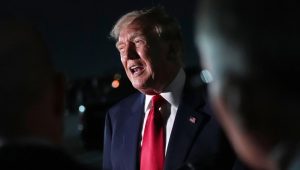
Political backing Donald Trump praised Ramaswamy on social media, describing him as “special,” “strong,” and “smart”. The candidate also received support from Vice-President JD Vance. Vance, who previously represented Ohio in the US Senate, travelled to Cincinnati on Tuesday to cast his vote for Ramaswamy.




Ramaswamy’s path was cleared after several competitors withdrew following his entry into the race. The entrepreneur has heavily invested his personal wealth into the contest, with reports indicating he loaned his campaign $25 million (£18.4 million).
The general election is expected to feature intense debate over the handling of the Covid-19 pandemic. Acton served as the state’s public health director during the crisis, a role Ramaswamy has already begun to criticise in campaign advertisements.
Specifically, Ramaswamy has accused Acton of “abusing her power” by postponing the 2020 primary election. However, the incumbent Republican Governor Mike DeWine – who is unable to seek re-election due to term limits – has defended Acton, stating that the decision to issue the health orders was his own.
Wider Republican trends Analysts have identified these primaries as a significant test of Donald Trump’s influence within the Republican Party ahead of the November midterm elections.
In neighbouring Indiana, several Trump-backed challengers successfully unseated Republican incumbents in the state senate.
These incumbents had previously opposed the president’s proposals to redraw the state’s voting map. One unseated senator, Travis Holdman, remarked that he lost his position for doing what his constituents requested, while his challenger, Blake Fiechter, stated he was “ready to turn the page”.