Delhi has resorted to renewed illegal push-in act in which the Indian authorities forced individuals across the border into Bangladesh without completing nationality verification or formal repatriation procedures.
The politically motivated tactic is similar to what Delhi did in 2001 to 2006 when BNP was in power. Experts are of the view that the reemergence of the issue is a signal of pressure tactics by Delhi to corner the newly formed BNP government.
Indicating past records, they said India’s push-in operations along the Bangladesh border have long mirrored the state of bilateral ties, intensifying when relations with Dhaka sour and easing when the two governments are on friendly terms.
The issue gained wider attention after Assam Chief Minister Himanta Biswa Sarma in March stated in a media interview that deteriorating relations with Bangladesh would make it easier for India to continue such operations.
“The phenomenon has again emerged as a politically charged irritant, reflecting how Delhi’s approach to Dhaka varies depending on the ruling party in Bangladesh,” said a former diplomat on condition of anonymity considering the sensitivity of the issue.
Over the decades, analysts and former diplomats reminded that push-ins policy remained largely absent from public attention during the Awami League’s tenure, when relations between the two governments were at their closest. But it emerged as a major source of tension during the previous BNP-led regimes and the recent Muhammad Yunus-led interim government, when ties between the neighbours deteriorated.
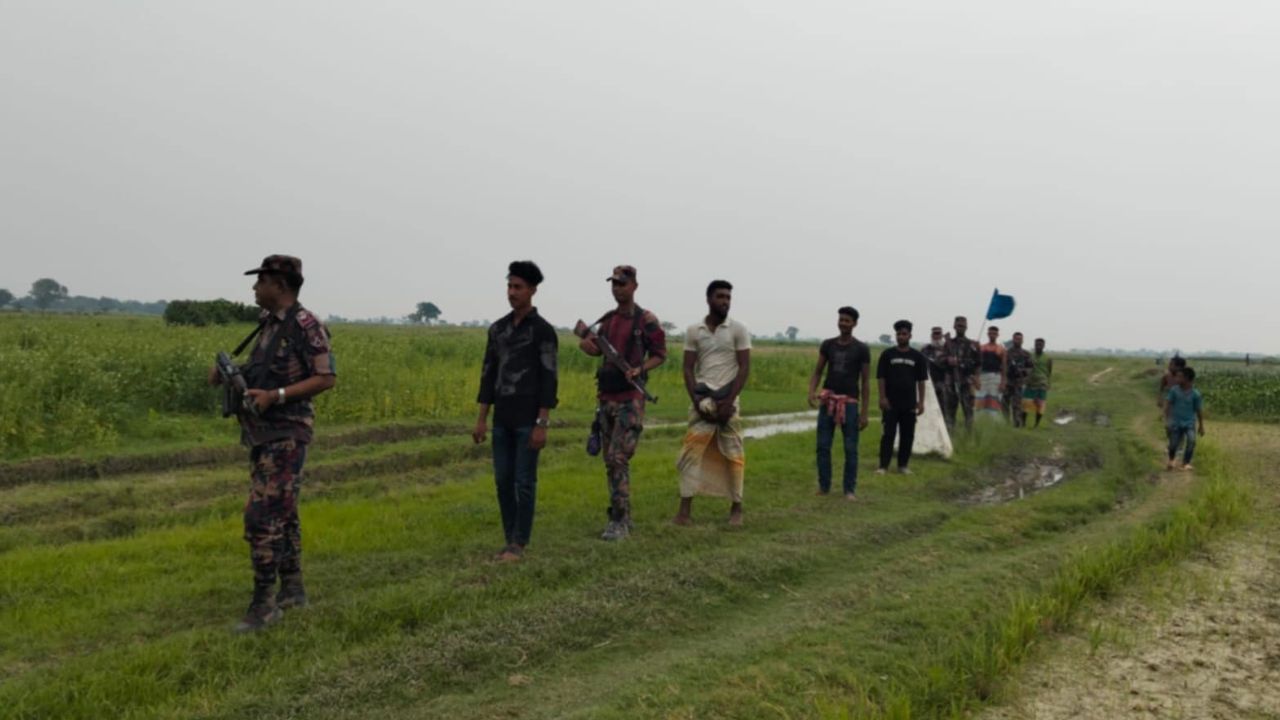
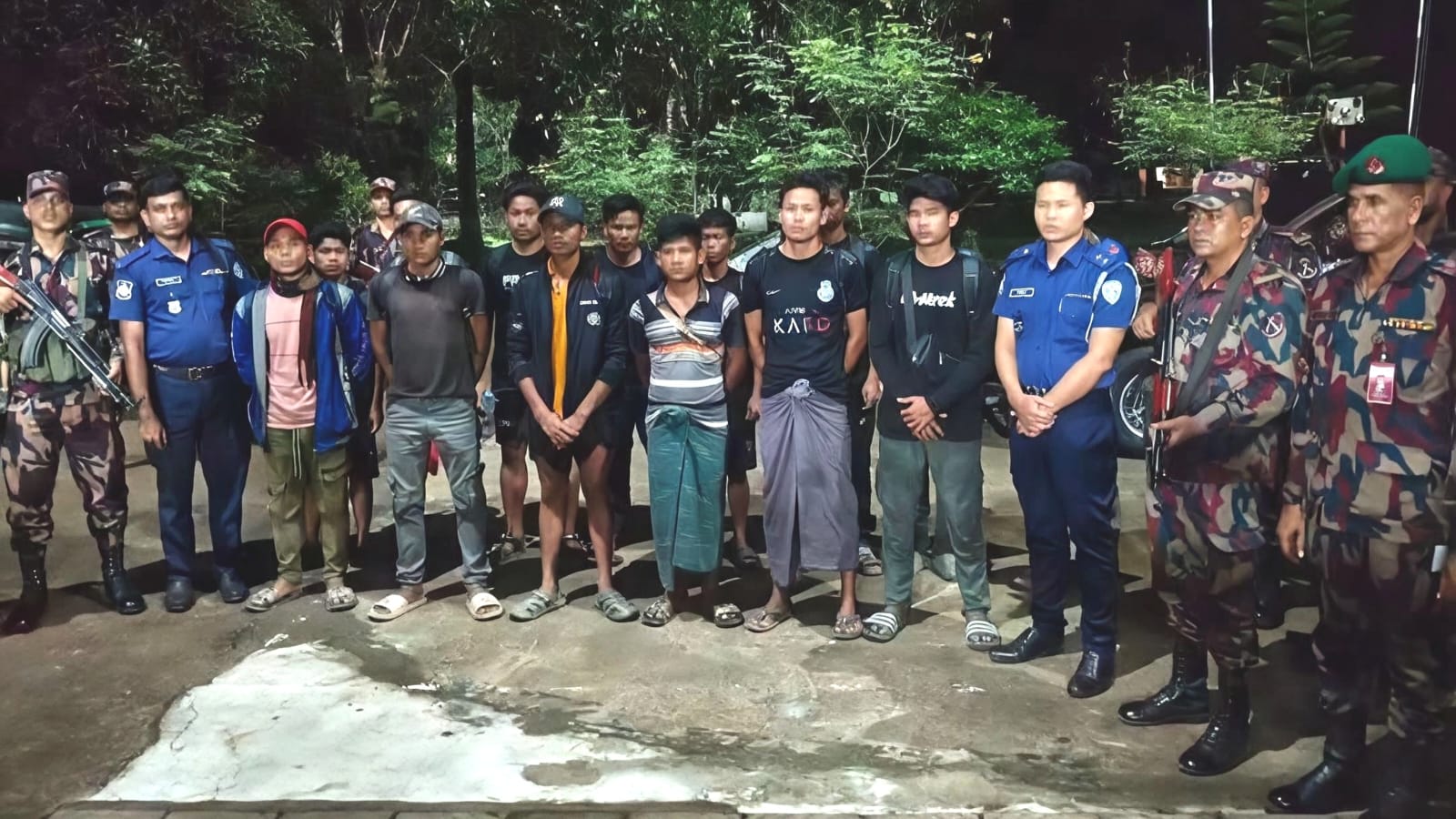
Records show India pushed about 3,000 people into Bangladesh during the tenure of the interim government that took office after the ouster of Sheikh Hasina, who is now staying in New Delhi. Those pushed into Bangladesh territory included Indian nationals, women and pregnant individuals.
Push-ins have continued since the BNP-led government assumed office in February this year although relations between the two government were expected to be warm.
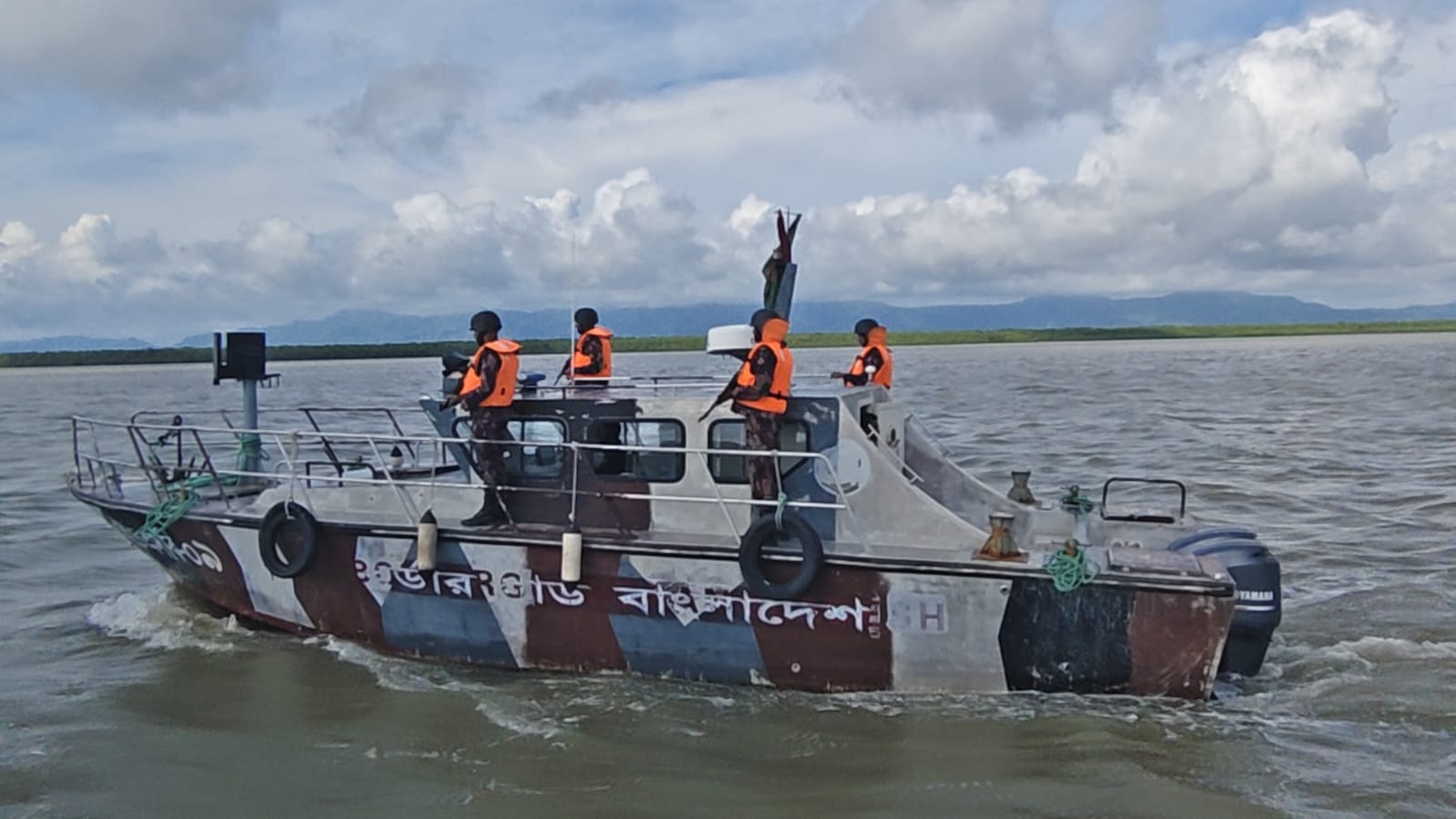
In recent weeks, the Border Guard Bangladesh (BGB) has increased patrols along several border points and blocked multiple attempts by BSF to push people into Bangladeshi territory, officials said, adding the incidents have triggered fresh tension along parts of the frontier and put pressure on relations between the two countries.

Against the backdrop of growing tensions over push-in attempts along the border, the director general-level talks between the border forces are set to begin in New Delhi Monday.
Diplomats and analysts describe the practice as inconsistent with established bilateral mechanisms governing the return of undocumented migrants. They argue that both countries already have procedures in place to verify nationality and facilitate repatriation through official channels.

Former ambassador and former deputy high commissioner in New Delhi Mashfee Binte Shams described the practice as “an extremely unfriendly act.”
“If India wants to move the relationship forward, it needs to stop this,” she said.
Former ambassador and former deputy high commissioner in New Delhi, Mahbub Hassan Saleh, called the push-ins “an illegal act.”
“We have established mechanisms through which such issues can be addressed. Bypassing those procedures is a violation of the legal process,” he said.


India’s claim
India has defended its actions by arguing that it is dealing with undocumented foreign nationals in accordance with domestic laws and existing bilateral arrangements.
Indian Ministry of External Affairs spokesperson Randhir Jaiswal has repeatedly stated that New Delhi has referred thousands of suspected Bangladeshi nationality cases to Dhaka for verification.
At a media briefing in May, he said India had submitted more than 2,680 cases for nationality verification and urged Bangladesh to expedite the process. He also noted that many requests had remained pending for more than five years.
Speaking again on June 6, Jaiswal reiterated India’s call for Bangladesh to speed up verification procedures.
A senior Bangladeshi foreign ministry official, however, said Dhaka’s position remains unchanged.

“Bangladesh will accept all its citizens residing abroad illegally once their nationality is verified. India is no exception,” the official said.
He added that Bangladesh regularly seeks consular access to detained individuals in India to verify their identities, but the process often takes several months.
“In many cases, Bangladeshi law enforcement agencies are unable to trace the families of the individuals concerned based on the information provided by Indian authorities,” he said.
BGB-BSF Talks
The director general-level talks between the Border Guard Bangladesh (BGB) and India’s Border Security Force (BSF) are set to begin in New Delhi Monday, against the backdrop of growing tensions over push-in attempts along the border.
The four-day meeting, the first director general-level talks after BNP assumed power, comes at a time when Bangladeshi authorities have accused the Indian side of attempting to move individuals into Bangladesh without following established repatriation procedures.
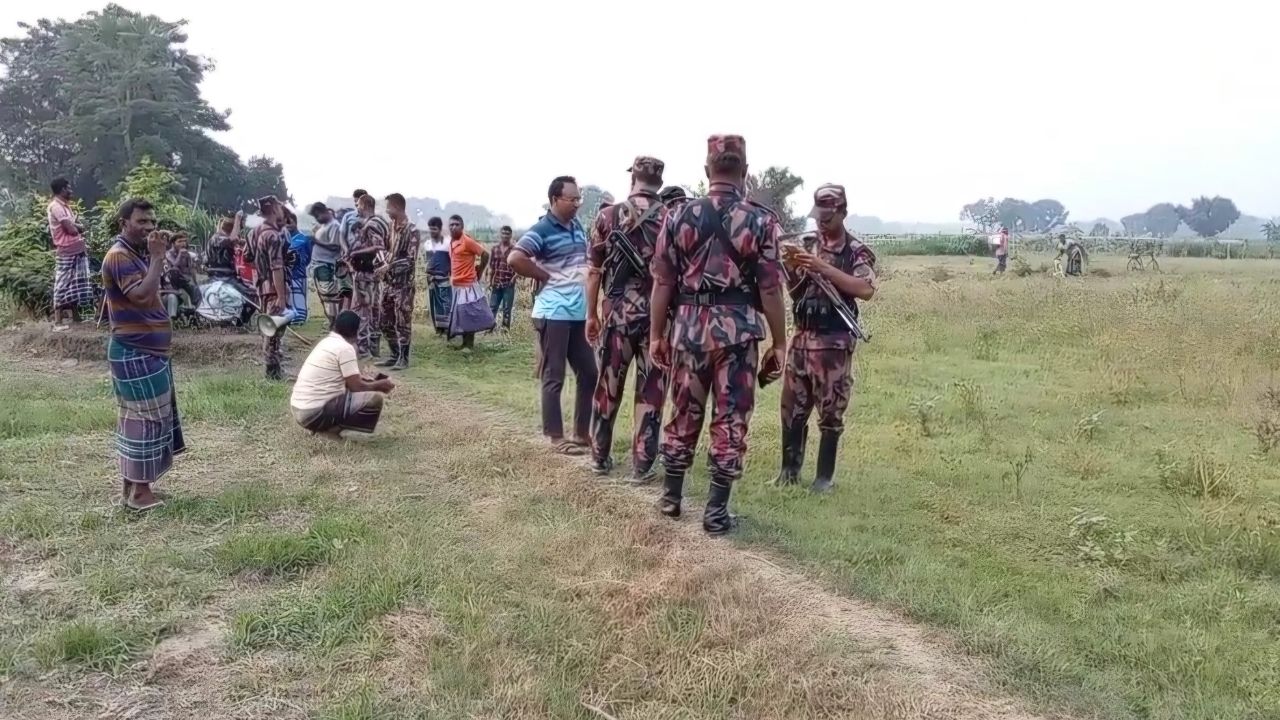
Home Minister Salahuddin Ahmed said on Sunday that all major border-related issues, including push-in attempts and border killings, would feature prominently in the discussions.
He reiterated Bangladesh’s position that it would firmly resist any attempt to push people across the border without proper verification and legal procedures.
A 15-member Bangladeshi delegation, led by BGB Director General Major General Mohammad Ashrafuzzaman Siddiqui, will participate in the conference.
Political Dimension
Analysts believe the issue is increasingly being shaped by domestic political considerations in India.
Mashfee Binte Shams argued that recent developments reflect a worrying political trend.
“This is a dangerous political move. The BJP government in West Bengal, seeking to consolidate its vote bank, has resorted to rhetoric about sending back Muslims and alleged illegal Bangladeshi migrants,” she said.
She warned that continued push-ins could create tensions both along the border and within Bangladesh, with negative consequences for bilateral relations.
Calling the practice inhumane, she said many of those targeted are left stranded and vulnerable in the zero line after being pushed through border fence gates.
Bangladesh, she argued, should raise the issue through all available bilateral channels and take diplomatic steps to halt the practice.

Echoing that view, Mahbub Hassan Saleh said any attempt to bypass established repatriation mechanisms is unlawful and counterproductive.
He warned that the practice could strengthen anti-India sentiment in Bangladesh and further erode trust between the two countries.
“Anti-Bangladesh and anti-Muslim rhetoric have long been used in Indian domestic politics, particularly during election periods. Previously, such rhetoric would fade after elections. What is concerning now is the tendency to translate that rhetoric into action. That is a dangerous trend, which is totally unhelpful for normal bilateral relations between the two countries” he said.
Saleh further said that such acts are contrary to India’s “Neighbourhood First Policy”.