West Bengal Chief Minister Suvendu Adhikari has announced that 4,800 “illegal infiltrators” from Bangladesh have been deported over the past month, a move that comes as Dhaka prepares to raise the issue of “illegal push-ins” during high-level border talks in New Delhi.
Speaking at the “Pandit Deendayal Upadhyaya Prashikshan Maha Abhiyan 2026” on 7 June, Suvendu claimed that the individuals deported did not fall under the ambit of the Citizenship (Amendment) Act, reports The Hindu.
He highlighted that under an Indian government law, these individuals were handed over to the Border Security Force (BSF) rather than being imprisoned.
‘Detect, delete and deport’
The West Bengal chief minister emphasised that his government has adopted a policy of “detect, delete and deport” to address the changing demography of West Bengal.
According to Suvendu, holding centres have been established in border districts, and a further 836 “illegal infiltrators” currently detained in these centres are scheduled for deportation shortly.


Beyond individual deportations, Suvendu noted that 100 km of land has been handed over to the BSF since the BJP government came to power, with strategic priority accorded to the “Chicken Neck” area of North Bengal.
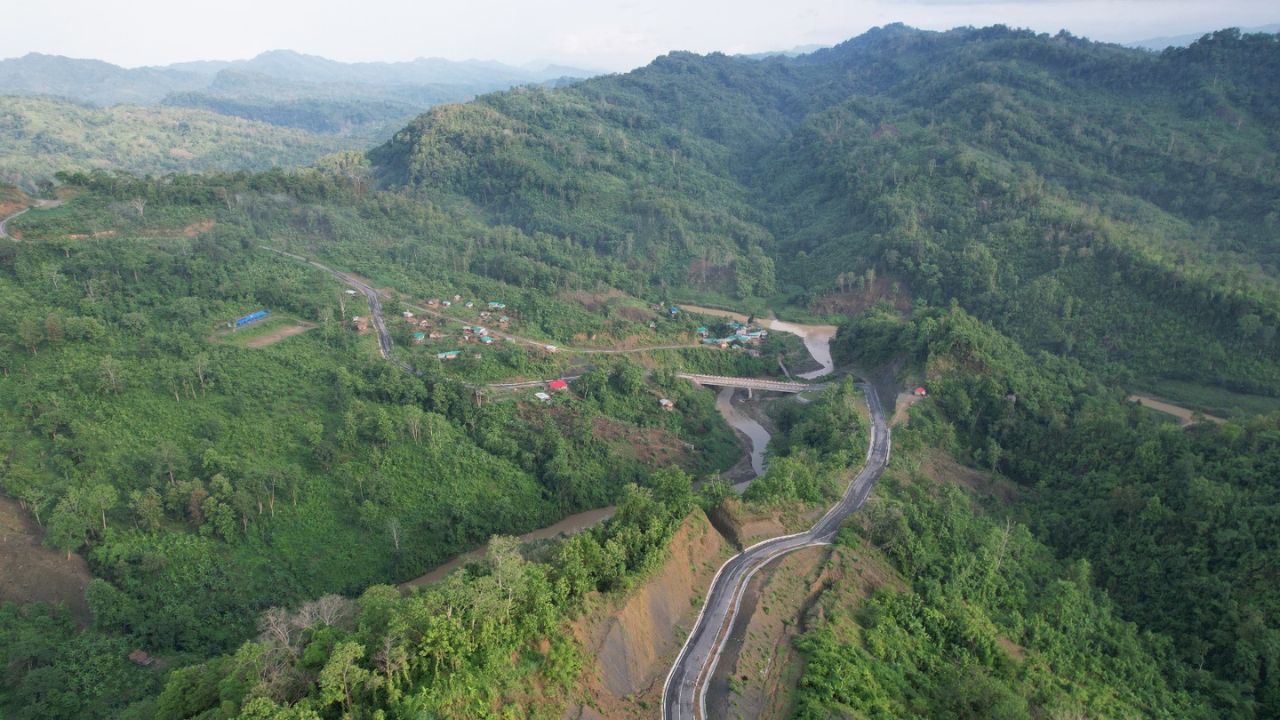
He added that 556km of the 2,216km border West Bengal shares with Bangladesh remains unfenced.
Dhaka decries ‘illegal push-ins’
While India maintains it is acting against undocumented foreign nationals, authorities in Dhaka have characterised the recent spike in border activity as “illegal push-ins.”



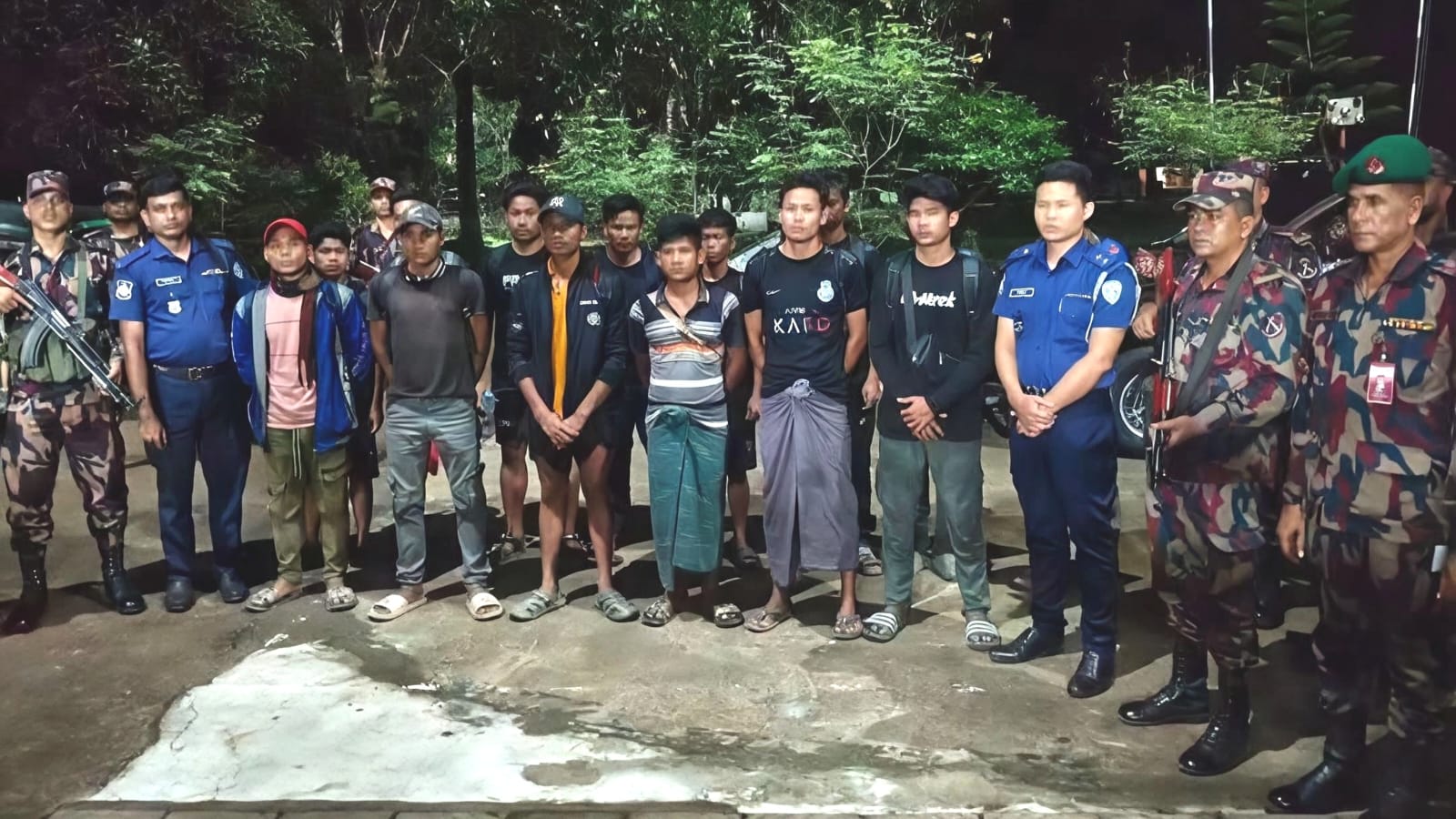
Bangladeshi officials and experts argue that the tactic – forcing individuals across the border without formal nationality verification or repatriation procedures – is a violation of established bilateral mechanisms.
Records indicate that approximately 3,000 people were pushed into Bangladesh during the tenure of the previous interim government, and the practice has reportedly continued since the BNP-led government took office in February.
Home Minister Salahuddin Ahmed stated on Sunday that Bangladesh would firmly resist any attempt to move people across the border without proper legal procedures.
Stalemate over verification
The Indian Ministry of External Affairs (MEA) has defended its actions, with spokesperson Randhir Jaiswal stating that New Delhi has referred thousands of suspected cases to Dhaka for verification.
In a briefing on 6 June, Jaiswal reiterated calls for Bangladesh to expedite the process, noting that more than 2,680 cases have been submitted, some of which have remained pending for over five years.

In response, a senior Bangladeshi foreign ministry official clarified that while Bangladesh will accept all citizens residing abroad illegally once verified, the process is often delayed because identity information provided by Indian authorities is frequently insufficient to trace families.
Political dimension and DG-level talks
The timing of these deportations has drawn criticism from Bangladeshi analysts.
Former ambassador Mashfee Binte Shams described the practice as an “extremely unfriendly act” and a “dangerous political move” by the West Bengal government to consolidate its domestic vote bank.
Ex-diplomat Mahbub Hassan Saleh added that such actions are contrary to India’s “Neighbourhood First Policy” and could fuel anti-India sentiment in Bangladesh.

These tensions form the backdrop for the director general-level talks between the Border Guard Bangladesh (BGB) and the BSF, which are set to begin in New Delhi this Monday.
A 15-member Bangladeshi delegation, led by BGB Director General Major General Mohammad Ashrafuzzaman Siddiqui, will participate in the four-day conference to discuss border killings and the recent push-in attempts.