


Albanian Prime Minister Edi Rama on Thursday firmly rejected demands to resign as student-led demonstrations entered a third day, escalating into running battles with riot police across the capital, Tirana.
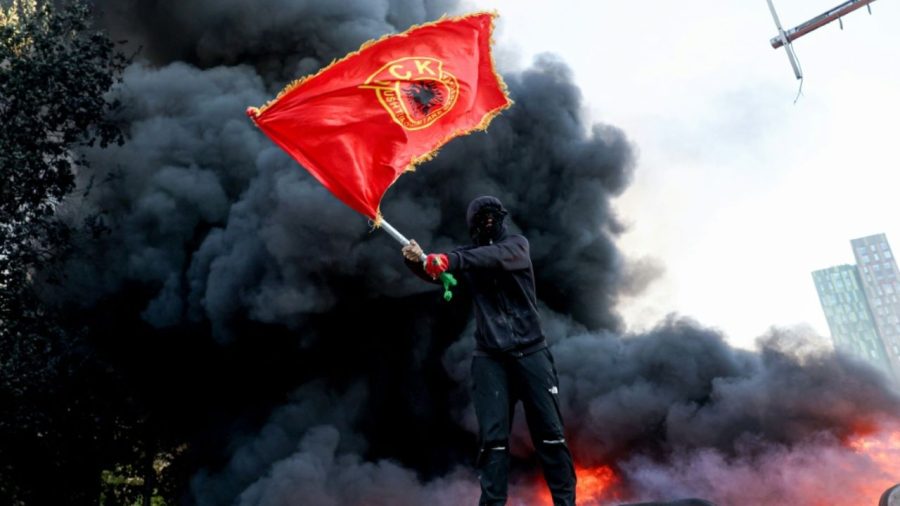
Thousands of protesters smashed windows and clashed with police, who deployed water cannons and tear gas throughout the city centre. Parliament was forced to cancel its session on Thursday as clashes broke out nearby, reports NBC News.
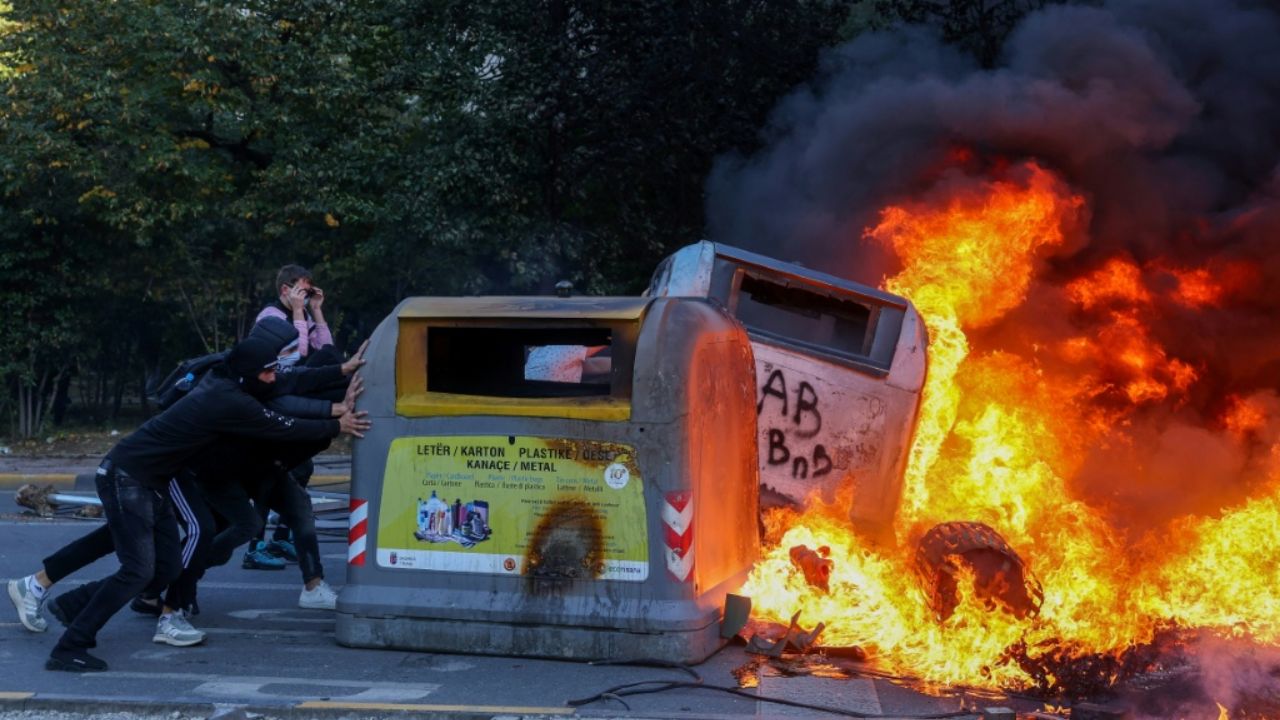
The streets of Tirana were littered with burnt-out garbage bins, broken traffic lights, and shattered bus stops, with clouds of tear gas drifting through central areas.
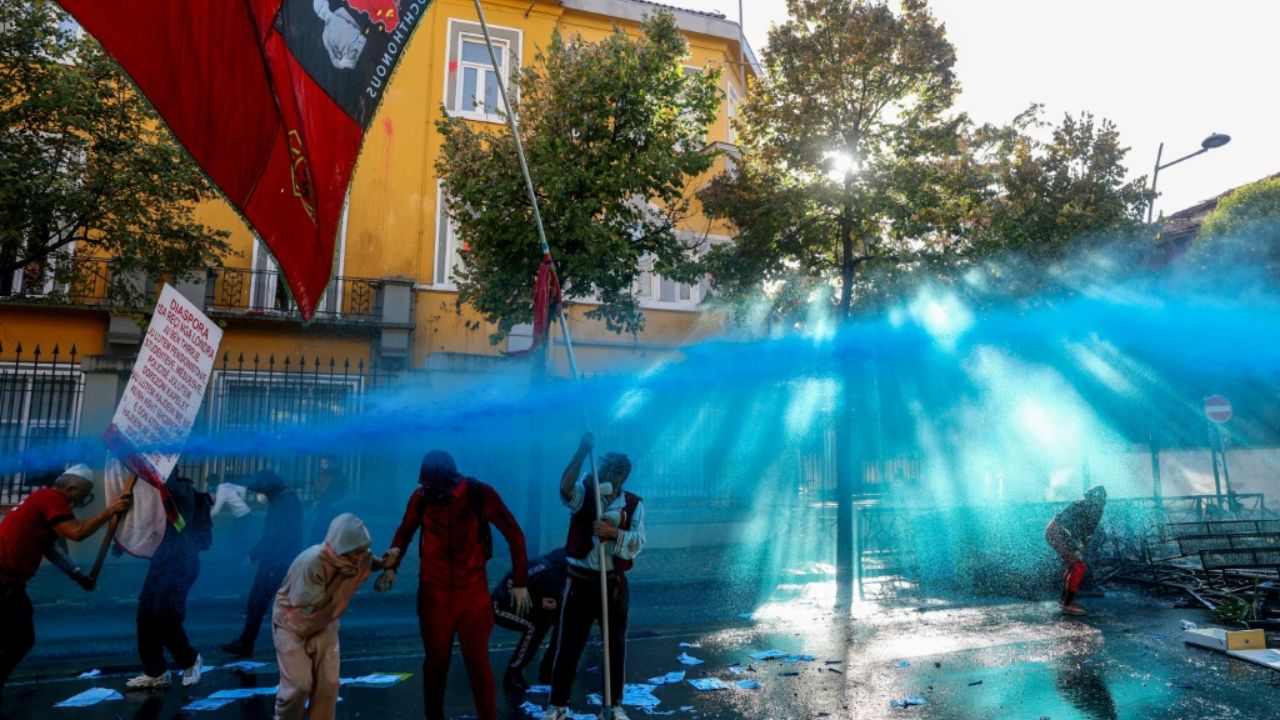
Demonstrators pelted officers with stones, prompting police to deploy water cannons, while in central Skanderbeg Square, officers struck fleeing protesters with batons in full view of tourists.
In a written statement to the public domain, Rama refused to step down, saying “My responsibility is to listen, address legitimate concerns and keep Albania moving forward. The alternative would be a betrayal of the Albanians who gave me a strong mandate to complete negotiations on European Union membership.”
While expressing readiness to discuss the rising cost of education, Rama added that attacking institutions, destroying public property, and threatening public safety had nothing to do with the legitimate demands of students.

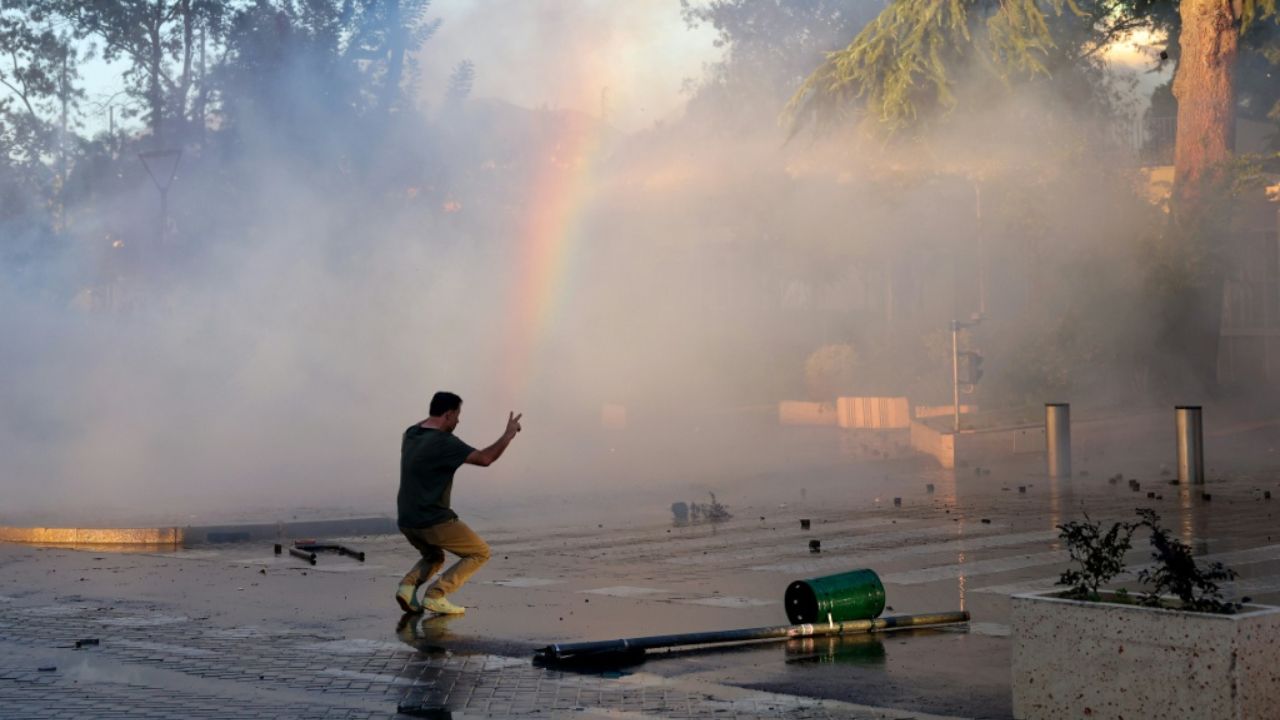
Violent clashes and damaged buildings
The fresh violence followed a second consecutive night of intense unrest on Wednesday, which left several government buildings badly damaged and at least one on fire.
Over several hours, demonstrators hurled paving stones, petrol bombs, firecrackers, and Molotov cocktails, erected barricades using street fencing, and set fire to rubbish bins, reports AFP.
Protesters smashed windows at the justice ministry before setting a floor on fire, which firefighters later brought under control after police cleared the area.
Demonstrators also attacked the finance ministry, using fencing to shatter windows and break down doors, allowing some to briefly enter the building.
At the prime minister’s office, demonstrators pelted the building with stones, prompting police to respond with water cannons, while a tree near the entrance briefly caught fire.
Earlier, two individuals climbed the wall of the education ministry and threw flares inside, sending thick black smoke pouring from a window before the blaze was extinguished.
Protesters also attempted to storm a police station, damaging its entrance and smashing police cars, while several banks and shopfronts in the city centre were vandalised.
Police reported that 14 officers were injured and 35 people were detained on Wednesday, following six officer injuries and 16 arrests on Tuesday.
Albanian Interior Minister Ervin Demo acknowledged student concerns but blamed the violence on the “malicious hands of outsiders,” warning perpetrators that individual legal accountability would not be forgotten.
Student grievances and resort controversy
Demonstrators initially gathered early on Tuesday to demand Rama’s resignation, protesting against poor university conditions and high tuition fees.
A masked student identified as Kiara cited cost-of-living pressures, poor job prospects, and systemic corruption, alleging that finding work in one’s field required personal connections.
Participating lawyer Lulzim Tanushi accused the government of deep corruption, saying that citizens were expressing anger after being ignored. The student demonstrations have joined a broader anti-government campaign known as the “flamingo movement.”
For more than four months, thousands have routinely protested against plans to develop a luxury tourism resort on pristine southern coastline land backed by Jared Kushner, son-in-law of US President Donald Trump.
EU accession and international reaction
The unrest represents the largest political challenge to Rama since he secured a fourth term last year with European Union integration at the centre of his platform.
Albania’s EU bid has faced obstacles due to corruption scandals and concerns that the country serves as a hub for criminal gangs laundering money from weapons and drug trafficking.
Alongside Montenegro, Albania currently leads Balkan nations in EU accession talks, targeting entry as early as 2028.
In response to escalation, the EU mission in Albania posted on X that “constructive dialogue is the only way forward.”
The EU voiced deep concern over the violence, called for a prompt investigation into allegations of excessive police force, and urged all parties to de-escalate.
The unrest in Tirana forms part of a wider trend of student activism across Europe, including high school protests in France over overcrowded classrooms, deteriorating buildings, and teacher shortages.