Ain o Salish Kendra (ASK) expresses deep concern over recent incidents along different points of the Bangladesh‑India border where many people, including women and children, have been forcibly pushed towards Bangladesh and compelled to remain for long periods on the zero line.
According to media reports, such situations have arisen at several border points where Indian authorities attempted to force individuals into Bangladeshi territory without conducting proper, transparent and lawful verification of their nationality and identity.
In many cases, women, children and other vulnerable persons have been subjected to these circumstances, ASK said in a press release.

Ensuring the safety, dignity and humanitarian protection of every person stranded at the border, and refraining from any push‑in or forced border crossing attempts, is urgently necessary at this time, it added.
However, ASK calls upon the relevant authorities of Bangladesh and India to address the situation with respect for human rights, the rule of law and humanitarian values.

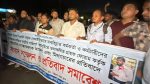


ASK believes that even if a person is suspected of being a citizen of another country, inhumane, cruel or degrading treatment can never be acceptable.
Human dignity, security and fundamental rights do not depend on nationality, religion, language or migration status. A core principle of international human rights law is that every individual is entitled to protection by virtue of their human dignity.
ASK emphasises that under the Universal Declaration of Human Rights, no one should be placed in a situation where their life, security, health or dignity is at risk.
States have various diplomatic and administrative mechanisms to determine the identity and legal status of persons detained or stranded at borders. Forcing people across borders without following such processes amounts to privileging the use of force over the rule of law.
Media reports indicate that in recent incidents, many people were compelled to remain on the zero line for days. In such uncertain border conditions, depriving people of basic needs such as food, clean water, medical care and safe shelter is not only contrary to humanitarian values but may also constitute cruel, inhuman and degrading treatment.
It further believes that questions of whether a person is a citizen of Bangladesh or another country must be resolved through transparent, lawful and mutually recognised procedures. Such matters should be settled through information exchange, identity verification and necessary diplomatic initiatives between states.