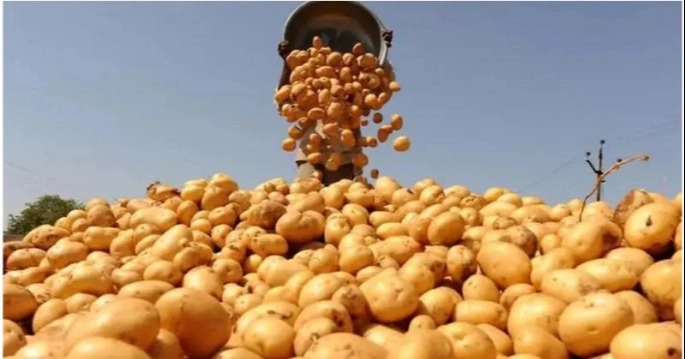

Bangladesh’s potato export sector has seen a dramatic recovery in the fiscal year 2024-2025, with shipments through Chittagong Port soaring by 263 percent, driven by a bumper harvest and stabilizing local prices.
According to the Plant Quarantine Station at Chittagong Seaport, exports reached 40,542 metric tons, a significant increase from 11,128 metric tons in 2023-2024. Despite this impressive surge, the figure remains 25.6 percent lower than the 54,527 metric tons exported in 2021-2022, indicating that a full recovery is still underway.
This growth has been accompanied by export earnings of approximately $10.14 million, with potatoes averaging $250 per ton.
The surge is primarily attributed to a record-breaking harvest, with national production reaching 13 million metric tons in 2024-2025—up 21.5 percent from 10.7 million metric tons the previous year, creating a surplus.
Imran Hossain, proprietor of Imran Export Import, told TIMES of Bangladesh, “In 2023-2024, local potato prices spiked significantly to over Tk 50 per kg, making exports unprofitable. Traders shifted their focus to the domestic market. But with prices now stabilizing at around Tk 20 per kg, exports have started to recover.”

“Potatoes are currently fetching between $245 and $270 per ton in international markets, and maintaining this price stability is vital for sustained export growth,” he added.
Chittagong Port continues to dominate the export process, handling nearly 95 percent of shipments, with the remaining exports passing through Banglabanda and other airports.




Malaysia remains the dominant market, accounting for around 80 percent of Bangladesh’s potato exports. Other significant markets include Vietnam, the Maldives, Bahrain, Sri Lanka, Singapore, Saudi Arabia, UAE, Brunei, Oman, Hong Kong, and Qatar. Among the top export varieties are Ganala, Diamond, Manila, and Red.
Despite the positive export trends, the sector faces ongoing challenges.
Dr Md Kamruzzaman, Deputy Director at the Department of Agricultural Marketing (DAM), told TIMES of Bangladesh, “Potatoes are not only a staple food but also a potential export commodity. Surplus production is essential to meet growing demand, and exports help absorb this excess.”
However, he also noted that around 30 percent of the total potato output is lost annually due to wastage during storage, on farms, or in households.
Bangladesh currently exports only 0.31 percent of its produced potatoes. Dr Kamruzzaman emphasized that reducing wastage could boost export earnings by up to 100 times, potentially exceeding a billion dollars.
Exporters are concerned about the recent reduction in cash incentives. The government has lowered export incentives from 20 percent to 10 percent, which some exporters argue hampers their ability to compete globally.
“This cut in incentives limits our competitiveness, especially when other countries offer better support,” said Imran Hossain.
Additionally, the complex requirements for phytosanitary certificates and quality standards remain costly for smaller businesses, making it harder for them to meet international market demands.
Exporters are calling on the government to increase support for international market promotion. They advocate for greater participation in agricultural fairs, strengthening branding efforts, and enhanced engagement from Bangladeshi embassies and high commissions to promote local agricultural products abroad.
“Expanding the global footprint of Bangladeshi potatoes is essential for securing long-term growth in this sector,” Imran Hossain said.