


Prosecution at the International Crimes Tribunal has claimed that police utilised highly lethal 7.62 mm ammunition to suppress unarmed protesters during the July mass uprising.
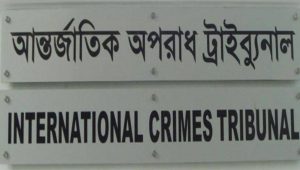
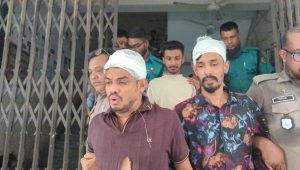
During the fifth day of arguments in the crimes against humanity case against seven individuals, including Awami League General Secretary Obaidul Quader, Prosecutor Gazi MH Tamim informed the International Crimes Tribunal-2 that a total of 305,311 rounds were fired across the country.
In Dhaka alone, 95,313 rounds were discharged. Chief Prosecutor Aminul Islam was present during the hearing on Tuesday.
Highly lethal ammunition
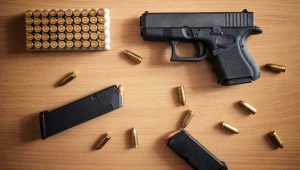
Citing a report from Police Headquarters, Prosecutor Tamim said the use of 7.62 mm ammunition – a “highly lethal” variety typically reserved for military use – was documented during the uprising.

He argued that it is impossible for a civilian to purchase or collect such ammunition.
The prosecution further noted that a United Nations report corroborated these findings.
UN representatives interviewed medical professionals and reviewed hospital records, which reportedly confirmed the presence of a large number of 7.62 mm bullets in the bodies of the deceased.

The UN Human Rights Office (OHCHR) utilised its own forensic experts to verify that specialised weapons and bullets were used against protesters.
According to the prosecution, lethal weapons were used in 40 districts, though police opened fire in more than 50 districts. The arsenal reportedly included LMGs, SMGs, Chinese rifles, shotguns, revolvers, and pistols.
Allegations against Jubo League and Chhatra League
The prosecution also detailed the alleged roles of Jubo League Chairman Sheikh Fazle Shams Parash and General Secretary Mainul Hossain Khan Nikhil.
It was argued that, under the orders of Awami League President Sheikh Hasina, these leaders directed their subordinates to attack student protesters nationwide.
Prosecutor Tamim alleged that the Jubo League made a political decision to instruct root-level workers to conduct armed attacks. A phone conversation between Obaidul Quader and Parash reportedly contained instructions regarding the suppression of the uprising.
Similar allegations were levelled against Chhatra League President Saddam Hussain and General Secretary Sheikh Wali Asif Inan.
The tribunal was notified that in a conversation with Obaidul Quader, the duo sought permission to “politically tackle” the protesters, stating that the Chhatra League was “ready.”
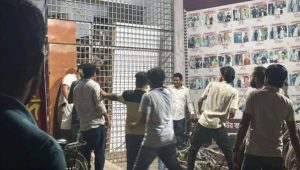
Following a statement by Saddam Hussain on 14 July, attacks were launched on Dhaka University students the next day, 15 July. These instructions were reportedly disseminated to district and upazila levels, leading to indiscriminate firing that caused numerous deaths and injuries.
Prosecutor Tamim concluded that the leadership of both the Jubo League and Chhatra League bears “superior command responsibility” for these alleged crimes against humanity.