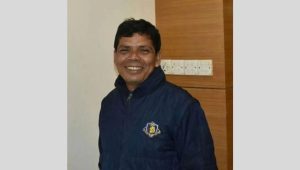
Those behind the killing of Mostafizur Rahman Musabbir, former general secretary of the Dhaka North unit of the Swechchhasebak Dal, remain unidentified as police intensify their investigation, prioritising extortion, political rivalry and internal disputes.
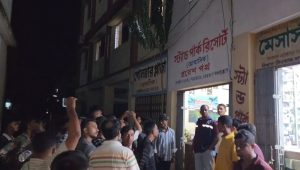
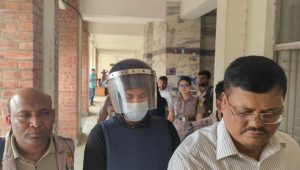
Musabbir and another man, Murad, were shot on Wednesday night in the Tejturi Bazar of Tejgaon. The attackers fled on foot and could not be identified. Alongside Tejgaon police, Detective Branch (DB) and Rapid Action Battalion (RAB) are conducting parallel shadow investigations. DB has questioned five people so far, including a close associate of the victim.
The brazen killing on one of the capital’s busiest roads near Karwan Bazar has triggered widespread fear among traders and residents. Anxiety has deepened amid a surge in criminal activity following the release of several top criminals on bail over the past year and a half.
Tejgaon Division Additional Deputy Commissioner Fazlul Karim said investigators are examining three key angles: extortion activities in Karwan Bazar, political rivalry, and disputes among Musabbir’s close associates.
“According to our information, Musabbir frequently visited the alley behind Star Kabab where he was shot. He also spent time in the Tejturi Bazar area. It appears he may have been followed and targeted,” he said.

Traders in Karwan Bazar said tensions have been running high for days over extortion demands, prompting regular protests. On Wednesday evening, while a protest was underway in front of the Kitchen Market, Musabbir and Murad were shot.
Several traders told police that a group of Jubo Dal activists, including Rahman, Russell and Jalal, have been involved in extortion in the area. They said a dispute had emerged between Musabbir and the group over the division of extortion proceeds, raising suspicions that the killing was linked to the fallout.



Former Dhaka North BNP joint convener Anwaruzzaman Anwar said the murder did not appear to stem from internal party conflict. “It seems personal disputes were involved,” said the former Dhaka City Corporation councillor, adding that the killing bore signs of a planned attack.
Riyaz, a local Swechchhasebak Dal leader and close associate of Musabbir, said the murder may have been linked to Musabbir’s growing political influence.
Tejgaon Police Station Officer-in-Charge Kaishainyu Marma said Musabbir’s wife, Suraiya Begum, filed a case on Thursday against four to five unidentified assailants. Sub-Inspector Sharif Anwar has been appointed as the investigation officer.
“Night-time CCTV footage is unclear, but we believe the attackers were already positioned in the area before the incident,” he said, adding that footage from multiple nearby cameras is being analysed.
Abu Sufian Masud, who was shot along with Musabbir and is the general secretary of the Karwan Bazar Van Owners’ Association, remains in the High Dependency Unit of Dhaka Medical College Hospital. Police said his statement would be crucial once his condition stabilises.
Following the autopsy, Musabbir’s first namaj-e-janaja was held after Zuhr on Thursday in front of the BNP’s central office in Nayapaltan. Senior BNP leaders, including Joint Secretary General Habib Un Nabi Khan Sohel, Dhaka North convener Aminul Haque and Dhaka South member-secretary Robin, attended alongside leaders of Jubo Dal, Swechchhasebak Dal and Chhatra Dal.
A second janaja was held after Asr at Karwan Bazar before Musabbir was laid to rest at Azimpur graveyard.
Crime resurgence after bail
Police officials say many top underworld figures, previously controlling criminal networks from prison or hiding, have returned to crime after securing bail.
In the eight and a half months following the 5 August 2024 mass uprising, at least 426 detainees held under the Special Powers Act were released on bail, along with several notorious criminals. Many later went into hiding, failed to appear in court and are now listed as fugitives.
Law enforcement records show that over the past 18 months, at least five murders in the capital have been linked to top criminals. Police say extortion and turf wars by rival groups have spread fear across several areas of Dhaka, underscoring a growing law-and-order challenge.