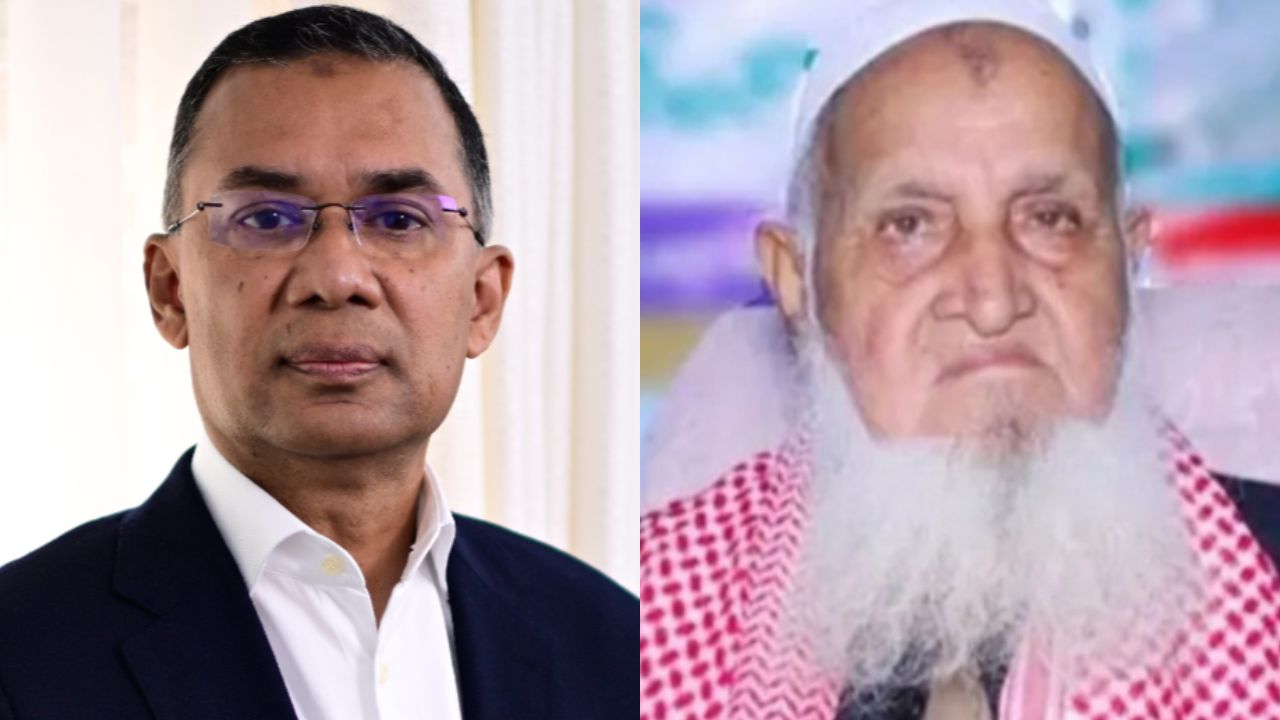



In a move to turn political leverage into lasting influence, Hefazat-e-Islam eyes utilising Prime Minister Tarique Rahman’s visit to Fatikchhari, around 50 kilometres off Chattogram city, to press for a formal, institutional role for Qawmi scholars across state administration.
Tarique on Sunday will hold a “courtesy meeting” with Muhibbullah Babunagari, chief of the Qawmi madrasa-based organisation, and its senior leaders, but the visit is shaping up to be far more than a routine exchange of pleasantries.
Insisting their demands are institutional rather than personal, Hefazat leaders say they are not seeking individual benefits or appointments. Instead, they want qualified ulema to receive official recognition and be considered for senior positions not only in religious institutions but across the wider state administration, several leaders told TIMES of Bangladesh.
The demand signals a potentially significant evolution in Hefazat’s political ambitions – from pressuring government over specific religious issues towards seeking sustained representation within state institutions.
The high-stakes meeting is set to bring together around 50 top clerics from across Bangladesh. A heavyweight cabinet delegation including Finance Minister Amir Khosru Mahmud Chowdhury, Home Minister Salahuddin Ahmed, State Minister for Land Mir Mohammad Helal Uddin, is expected to accompany the prime minister along with lawmakers from northern Chattogram.
Hefazat seeks institutional recognition
Hefazat is launching a push for formal institutional recognition, urging the government to appoint qualified religious scholars to key posts across state administration.
Speaking to TIMES, its Joint Secretary General Mufti Harun Izhar insisted that the country’s ulema deserve due recognition, arguing that qualified scholars should be considered for senior leadership roles, not just in religious bodies, but throughout public administration.

To formalise these demands, the organisation is drafting an official memorandum to submit to the government.
Sources within Hefazat reveal the document will call for the integration of Islamic values into state policy, stronger safeguards for religious sensitivities, and systemic recognition for Qawmi madrasa-trained scholars across state institutions.
They told TIMES that Muhibbullah Babunagari has explicitly instructed them to avoid personal favours, ensuring discussions remain focused on broader religious, social, and structural issues.
By framing its campaign around institutional representation rather than personal appointments, Hefazat aims to secure a permanent seat at the table while side-stepping accusations of transactional politics.




Meanwhile, Joint Secretary General Maulana Azizul Haque Islamabadi said the prime minister’s decision to meet Babunagari in person is a “landmark event” in the movement’s history.
He said the encounter would reinforce Hefazat’s standing and strengthen its mandate to ensure no laws or policies conflict with Islamic values, warning that the organisation remains vigilant in safeguarding the beliefs of Bangladesh’s Muslim majority.
From electoral support to leverage
Hefazat’s growing confidence stems from a strategic realignment towards the BNP ahead of the recent general election.
When its chief Muhibbullah Babunagari endorsed BNP candidate Sarwar Alamgir in Fatikchhari, a local alliance quickly morphed into a broader political shift, drawing significant sections of Qawmi madrasa-based clerics into the BNP’s fold.
Crucially, Babunagari resisted overtures from Jamaat-e-Islami, fracturing the conservative religious vote.
While Hefazat-backed clerics aligned with the BNP, other influential ulema, including Maulana Mamunul Haque, joined a Jamaat-led 11-party alliance. This split highlights a fierce contest for dominance within Bangladesh’s vast Qawmi Islamic seminaries.
Babunagari’s backing proved decisive in Fatikchhari, cementing Alamgir’s victory. Now a key liaison between the government and Hefazat, Alamgir insists the cleric’s motives remain strictly ideological.
“Knowing Babunagari Huzur, he is entirely untainted by personal or vested interests,” Alamgir told TIMES. “His sole priority is ensuring the country is governed with justice and fairness in line with the Charter of Madinah.”
Alamgir also added that no specific demands have yet been formally submitted to him.
From confrontation to engagement
Hefazat first exploded onto the political scene as a formidable street movement under Maulana Shah Ahmad Shafi, culminating in a bloody showdown with the Awami League government in Dhaka’s Shapla Chattar on 5 May 2013.
Yet, relations later thawed dramatically, as Sheikh Hasina’s administration cultivated closer ties with the organisation, culminating in Shafi’s high-profile meeting with the then prime minister at Ganabhaban.
Indeed, Hefazat’s history with successive regimes has been a volatile cycle of confrontation, negotiation, and compromise.
Having previously aligned with Khaleda Zia’s four-party coalition, key factions later found common ground with the Awami League.
Against this backdrop, Sunday’s itinerary carries immense symbolic weight.
Tarique Rahman is scheduled to visit Al Jamiatul Ahlia Darul Uloom Muinul Islam at Hathazari to pay his respects at the grave of Hefazat founder Shah Ahmad Shafi, before travelling to Fatikchhari to meet current chief Muhibbullah Babunagari.
The journey neatly mirrors Hefazat’s trajectory, evolving from fierce street opposition to direct dialogue at the highest levels of power.