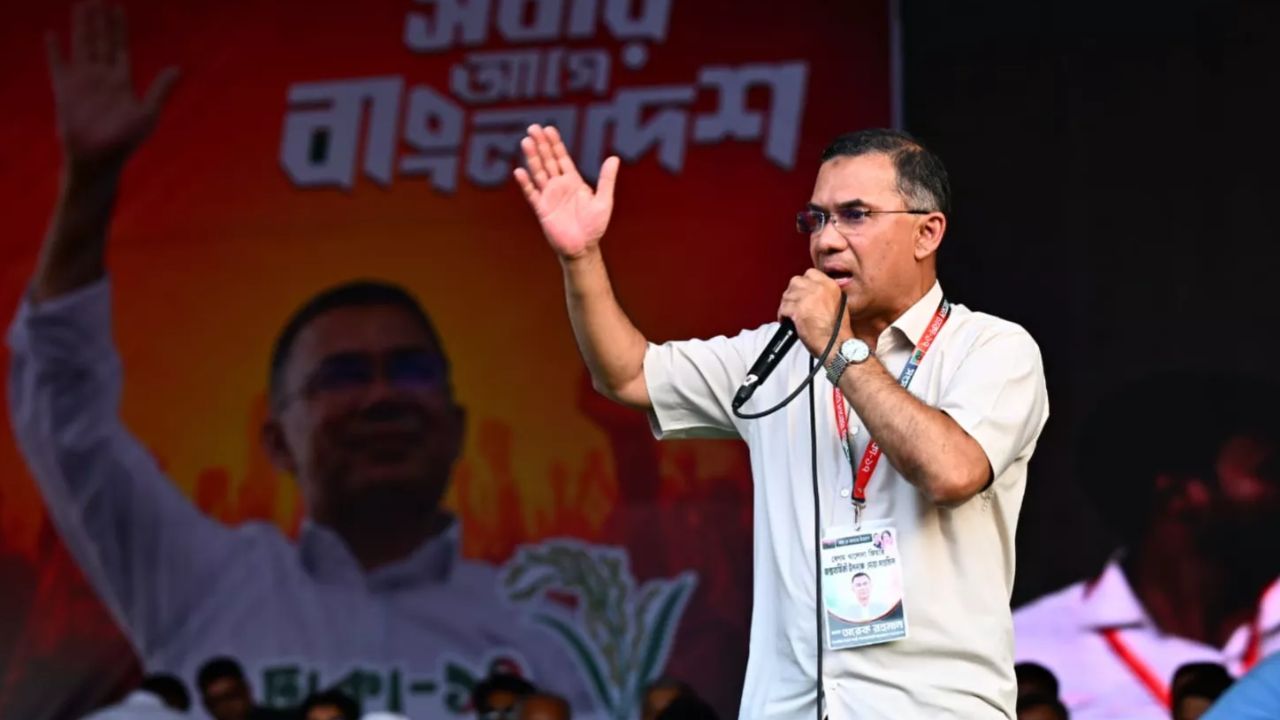



Prime Minister Tarique Rahman on Saturday apologised to the people for the ongoing power and gas shortages and assured that his government was taking urgent steps to ease the crisis, expressing hope that the gas situation would improve significantly within the next few days.
Speaking at an event in Dhaka-17’s Mohakhali Wireless TNT field, which featured a prayer session and the presentation of financial aid, Tarique called on critical opposition parties to offer practical strategies rather than spreading public uncertainty.
Organised by local BNP affiliate groups, the gathering commemorated the 81st anniversary of former prime minister and party chairperson Khaleda Zia, during which 682 vulnerable individuals received cheques.
Tarique attributed the current fuel shortages to the nation’s restricted capacity for storing and regasifying imported liquefied natural gas (LNG).

He criticised the previous regime’s 17-year failure to seek out new domestic gas reserves, a neglect that left Bangladesh heavily reliant on overseas energy supplies.
To counter this, his administration immediately directed Bangladesh Petroleum Corporation to accelerate domestic drilling efforts, aiming to secure local ownership over these vital resources.
The prime minister explained that the country relies heavily on imports, which are managed by just two specialised floating storage vessels.


Although the preceding administration had planned to add a third vessel, the interim government subsequently scrapped the project, meaning that a subsequent accident involving one of the remaining vessels directly triggered the current shortage.
While technical repairs have been completed, the government is collaborating with international partners, including China, to build and deploy the replacement vessel as quickly as possible.
Tarique added that he had personally engaged with Malaysian Prime Minister Anwar Ibrahim to request fuel support, but he cautioned that procuring these highly specialised LNG vessels is a lengthy process because only a handful of countries construct them.
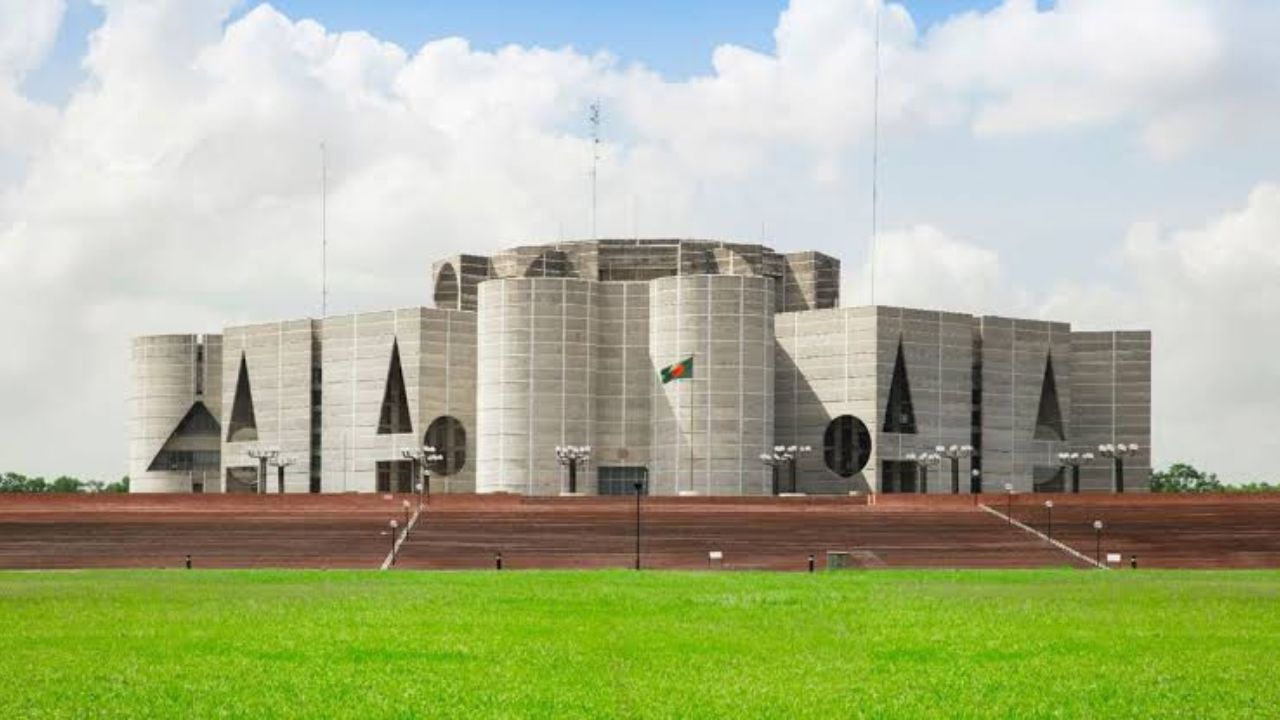
Challenging political critics to propose viable solutions, Tarique offered to adopt any practical, six-month plan they could present to the public and parliament.
He announced that the administration’s comprehensive, long-term energy blueprint would be introduced in the next legislative session.
However, he said reversing nearly two decades of mismanagement in just six months – the lifespan of his elected government so far – was highly unrealistic. He compared the situation to a child learning to walk, which typically takes 15 to 18 months even with assistance.
Tarique urged an end to disruptive street demonstrations, asserting that citizens desire progress, transparency, and better quality of life over political disorder.
He emphasised that transforming the country’s population of 20 crore into a skilled, 40-crore-hand workforce is essential for Bangladesh’s economic future.
He concluded the event by honouring Khaleda Zia and urging a collective dedication to democratic governance and national progress.