

Shortages of personnel, doctors, and insufficient supervision cripple health services in Bogura.
Many key healthcare facilities offer unhygienic environment to critical patients due to lack of staffs, authorities claim.
There are 158 government doctor positions remain unfilled across different health facilities in the district, health officials informed TIMES.
Additionally, Shaheed Ziaur Rahman Medical College Hospital, a key public healthcare institution, has 39 vacant cleaner positions.
The situation is further exacerbated by the unbearable smell in the bathrooms of both SZRMCH and Mohammad Ali Hospital, causing significant discomfort for patients.
Sources from the district health department report that out of 349 approved doctors for government health services in Bogura, only 191 are currently working, leaving 158 positions vacant.

Although there are 419 active private clinics, diagnostic centers, pathology centers, and private hospitals in the district, most of these establishments suffer from a lack of essential medical equipment and tools.
SZRMCH hospital administration has attributed the staff shortage to the growing number of patients coming from Bogura and surrounding districts like Joypurhat, Naogaon, Sirajganj, and Gaibandha.
In 2009, 13 new departments, including ICU, neurology, gastroenterology, and kidney-hepatology, were launched.
The hospital expanded from a 4-story to a 7-story building in 2018 to accommodate the rising patient load.
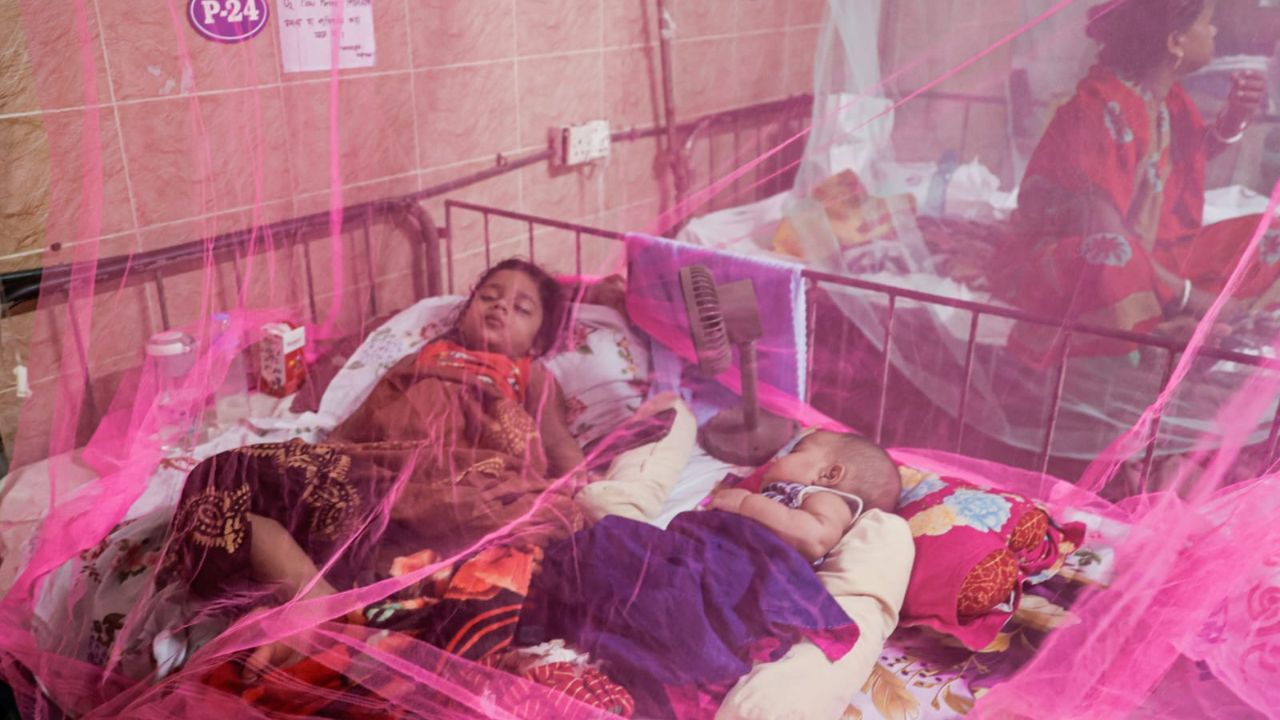


In 2019, the Ministry of Health granted approval for 1,200 patient admissions. Today, the hospital admits around 2,500 patients daily.
Despite these expansions, only 90 out of 129 cleaner positions are filled, with 5 additional cleaners hired through outsourcing. With such limited manpower, the hospital is struggling to manage its vast infrastructure, including wards, laboratories, emergency rooms, and outpatient departments.
Ward Master Rafiqul Islam explained that each ward has 4 toilets and 2 bathrooms. Due to the staff shortage, cleaners are divided into three shifts to manage the workload.
The state of cleanliness in the SZRMCH’s toilets and bathrooms is appalling, causing major inconvenience and health risks for patients and their families.
During a visit to the hospital’s 7-story building, it was found that toilets were filled with trash, drains were blocked, and floors were slippery with a foul stench. Many toilets lacked proper lighting, forcing patients to use phone flashlights.
The conditions in the surgery, medicine, gynecology, and pediatric wards were similarly poor.
Patients reported that many staff members were neglecting their duties. Jamal Fakir, a patient’s relative from the Colony area, said, “I had to use my phone’s flashlight to enter the toilet and provide a urine sample.”
Patients’ relatives from Shahjahanpur’s Poalgacha, Mohsin and Karim, also complained about the hygiene conditions of the bathrooms.
Deputy Director of SZRMCH Dr Manjur A Murshed assured that the Public Works Department has been notified about the hospital’s issues.
“Some corrective actions have already begun, and more work will start soon. Additionally, strict measures will be taken against any officials who fail to perform their duties,” he said.
Bogura civil surgeon Dr Khurshid Alam told TIMES that the situation will be addressed soon.
“Monitoring of every clinic, diagnostic center, and pathology center will now be conducted at least once every 15 days, with the decision to be implemented soon,”
Orvil Ahmed Khokon, General Secretary of the District Clinic Owners Association, affirmed that illegal clinics will not be tolerated.
Presently, one-third of these centers lack proper waste management, putting both patients and the public at significant health risk, health sources said.