The political “game” for Obaidul Quader, the once-indomitable general secretary of Awami League who famously turned the then Narayanganj lawmaker Shamim Osman’s “Khela Hobe” slogan into a source of national theatre and amusement, has reached a “game over.”
Shamim Osman once challenged BNP with this popular slogan, which sounds more like a vague threat. Quader picked it up and made it his catchphrase.
From his rise as the president of Chhatra League to his tenure as the party’s general secretary, Quader’s career has now met what appears to be a definitive conclusion, as he finds himself in a state of profound political and personal isolation.
According to senior party insiders, Awami League president Sheikh Hasina is currently conducting virtual meetings with grassroots leaders to reorganise the party, yet Quader is notably absent from any future plans.

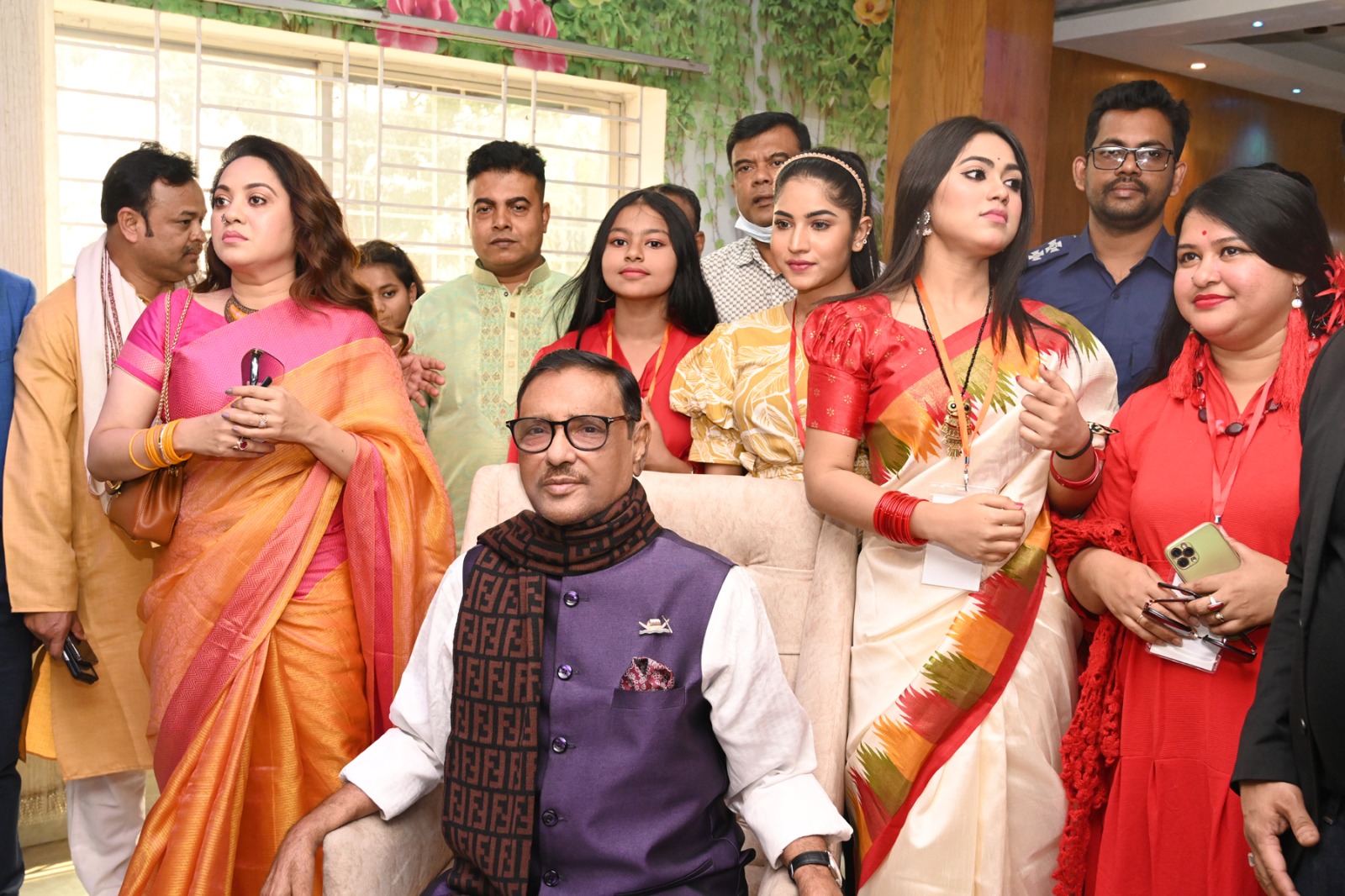
Hasina is reportedly looking beyond “fashion-conscious and loudmouth” figures like Quader, seeking instead the “polite, dedicated, and crisis-management” qualities exemplified by the late Zillur Rahman or Syed Ashraful Islam to navigate the party’s current turmoil.
Currently residing in a flat in Kolkata’s New Town with his wife, Isratunnesa Quader, the former minister spends his days in a nostalgic and idle solitude, largely ignored by the party he once dominated.
While activists once vied for even a glimpse of him, a former Dhaka MP living in a nearby building in Kolkata reports that almost everyone – barring a few beneficiaries – now pointedly avoids the former “fashion icon.”




His circle of contact has dwindled to a select few, including former Gazipur Mayor Jahangir Alam, former Feni MP Nizam Uddin Hazari, and former Tangail-2 MP Tanvir Hasan Choto Monir, whose wife, Oishee Khan, is the daughter of Presidium member Shajahan Khan.
The resentment against Quader within the party’s central and grassroots ranks is palpable.
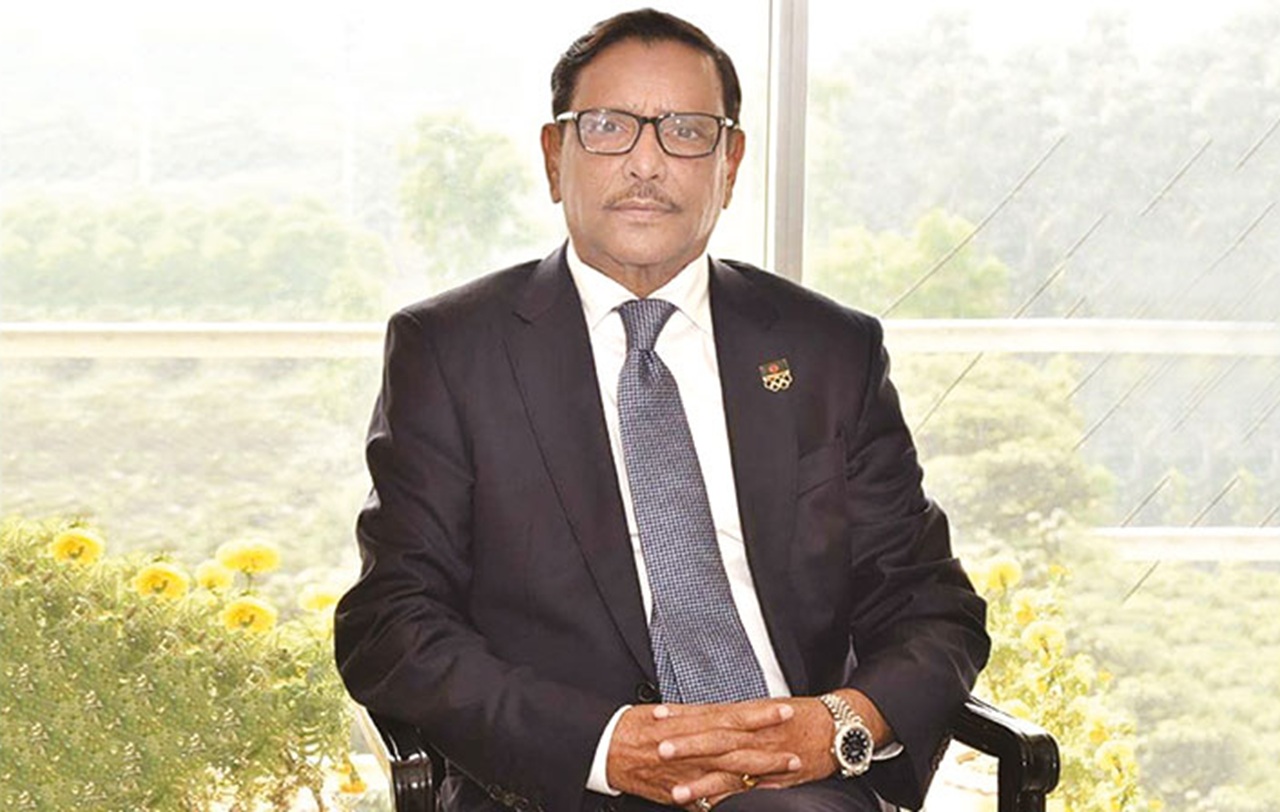
Leaders are reportedly furious over his legacy of sidelining dedicated veterans in favour of “hybrids,” his alleged “trade” regarding sub-committee positions, and his penchant for theatrical rhetoric and associations with film actresses and models that many believe reduced politics to mere entertainment.
Most damagingly, he is held responsible for the current plight of the party following his provocative instructions to the Chhatra League during the anti-discrimination movement, an act that triggered the unrest leading to the government’s eventual fall.
Reflecting on this decline, one former lawmaker noted that while Quader was obsessed with his social media image – frequently posting photos in various styles and colours of “Mujib coats” – the party was being hollowed out by a sycophancy he failed to recognise, leaving the Awami League unable to regain its footing.
Even in exile, Quader remains “blacklisted” from the party’s virtual meetings and the informal “tea circles” held by activists in secret locations across Kolkata; in fact, multiple Presidium members are reportedly maintaining a strict watch to ensure no one initiates contact with him.
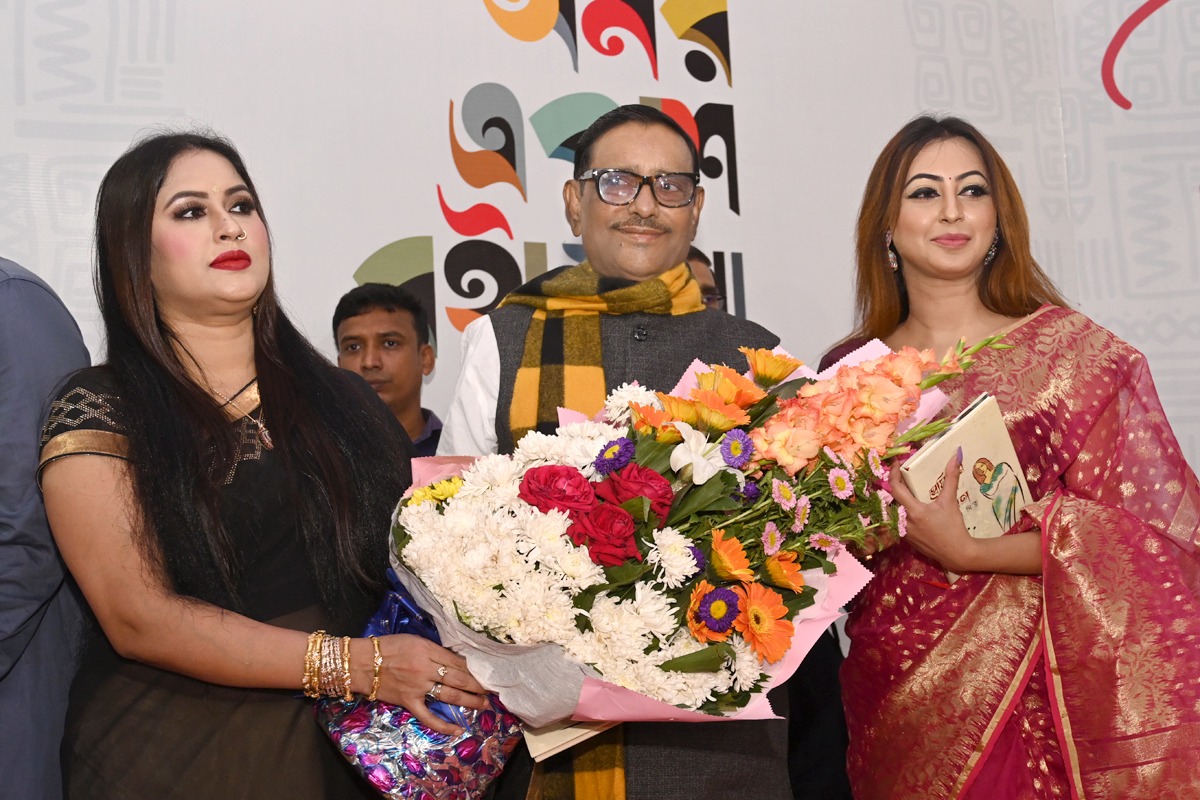
A former student leader and mayor currently in Kolkata observed that Quader has completely withdrawn after receiving no respect from party colleagues.
Interestingly, Quader failed to respond to a summons from Sheikh Hasina to meet her in Delhi a year ago, though it remains unclear if this was due to fear or resentment. Now, his public appearances are limited strictly to routine hospital check-ups, and he remains unresponsive to inquiries via personal messaging platforms.
While he remains isolated in the political wilderness, Quader continues to be a central figure in Bangladesh’s legal landscape, where he faces over a hundred cases involving murder, crimes against humanity, and corruption – legal battles that may ultimately result in verdicts delivered in his absence.