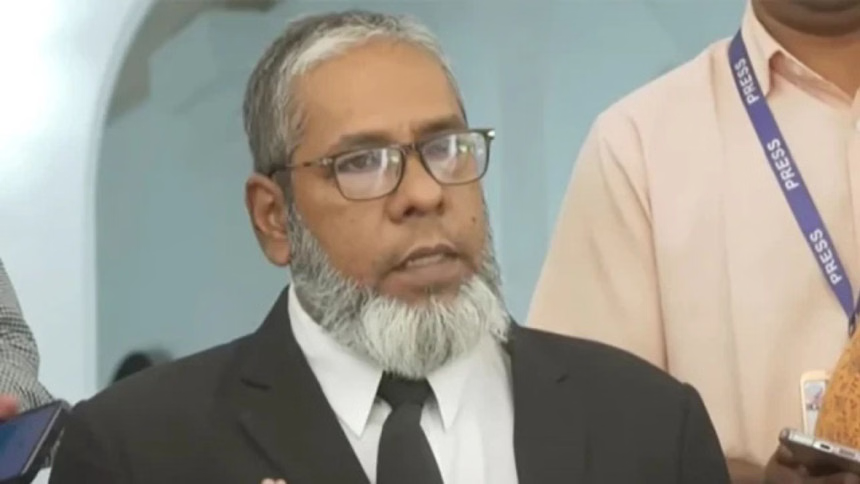

State-appointed defence lawyer Md Amir Hossain said he felt deep pain after the announcement of the death sentence against ousted prime minister Sheikh Hasina for crimes against humanity.
He said he was in pain because his clients have been handed down the capital punishment, he told reporters after the verdict announcement on Monday afternoon.
He also said, “I have accepted the judgment, but it could have been delivered in a different way. However, that did not happen, and it went against me.”
He added, “There is no scope to file an appeal for my clients unless they surrender or are arrested.”

“You all heard the tribunal has said I would not even get a copy of the verdict. The law permits the tribunal to make such a decision,” he said.
Before announcement of the verdict, lawyer Amir expressed hope that Hasina and Asaduzzaman would be acquitted. “I believe the judgement will be fair,” he said.


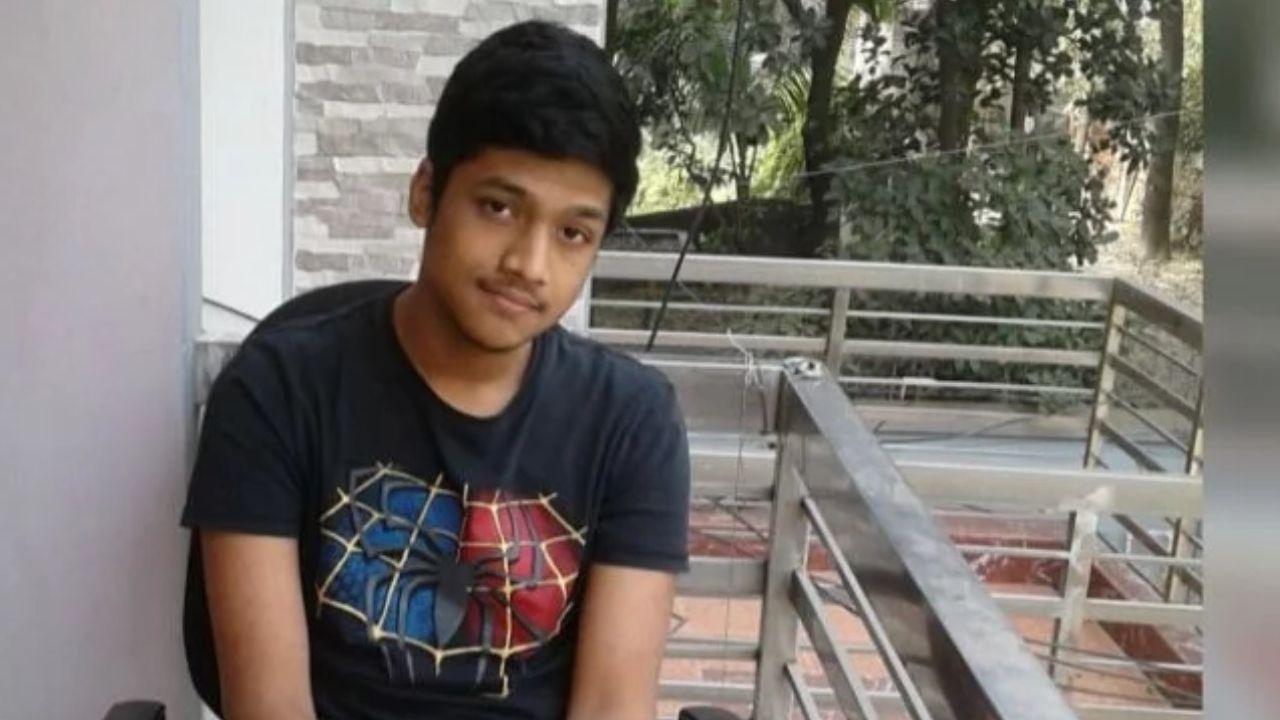

Apart from Hasina, Asaduzzaman was handed the death penalty in the case filed over crimes against humanity committed during the July uprising last year.
A three-member bench of ICT-1 headed by Justice Md Golam Mortuza Mozumder delivered the judgement. The other judges are Justice Md Shofiul Alam Mahmood and Justice Md Mohitul Haque Enam Chowdhury.
The formal charges against Hasina, Kamal, and former inspector general of police Abdullah Al-Mamun were submitted to ICT-1 on 1 June. The tribunal accepted the charges that day and ordered the trial to begin. On 10 July, it framed charges against the three.
During the trial proceedings, ICT Chief Prosecutor Mohammad Tajul Islam termed the state’s evidence is “as strong as the Himalayas” and that proved each charge beyond doubt.
However, lawyer Amir dismissed the allegations as “false and fabricated”, arguing that no documentary evidence shows Hasina ordered any killings and claiming the violence that destabilised the country was carried out by a “separate group”.
On 22 September, during cross-examination of a prosecution witness, the lawyer stated the July 2024 uprising was a “meticulous design to topple a legitimate government”.
He told the tribunal that the protesters themselves were conspirators, claiming they orchestrated killings of participants in the Chittagong Road area of Siddhirganj during the protest.
He also argued that Hasina had sincerely tried to resolve the quota reform issue, but protesters disregarded her efforts and continued to announce “illegal programmes”.