
The declaration by the Bangladesh National Party (BNP) and Bangladesh Jamaat-e-Islami to form separate electoral alliances for the upcoming national elections, most likely to be held in February next year, has triggered a new equation for minor political parties.
These political entities are now evaluating which alliance will offer them better political mileage should they decide to join. BNP and Jamaat leaders have already started visible activities in this regard.
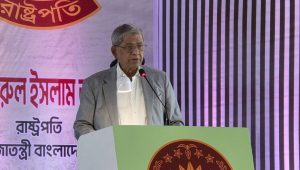
BNP Secretary General Mirza Fakhrul Islam Alamgir and Jamaat Nayeb-e-Ameer Syed Abdullah Mohammad Taher have recently declared that they will form electoral alliances without each other, causing a stir among the minor parties.
According to multiple sources, many smaller parties are now in an uncertain state following the announcement by BNP and Jamaat to form separate electoral alliances. Three to four Islamic parties are unsure whether they will join the alliance of Islamic parties or align with BNP.
Jamiat Ulama-e-Islam and Nizam-e-Islam are among them. Until recently, a few parties, including Gono Odhikar Parishad and Amar Bangladesh Party (AB Party), were in the process of forming an alliance with BNP, but they are now exploring different options in light of the changed scenario. Ultimately, their decision to join an alliance will depend on the benefits provided by the major parties.

It appears that many parties will change their minds in the lead-up to the elections.
Leaders of these parties have acknowledged their ongoing activities to form electoral pacts.
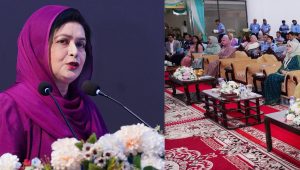
“The issue of forming an alliance with the parties involved in the anti-fascism movement is nothing new. Be they leftist parties or Islamic ones, we have no problem,” BNP Standing Committee member Selima Rahman told TIMES of Bangladesh.


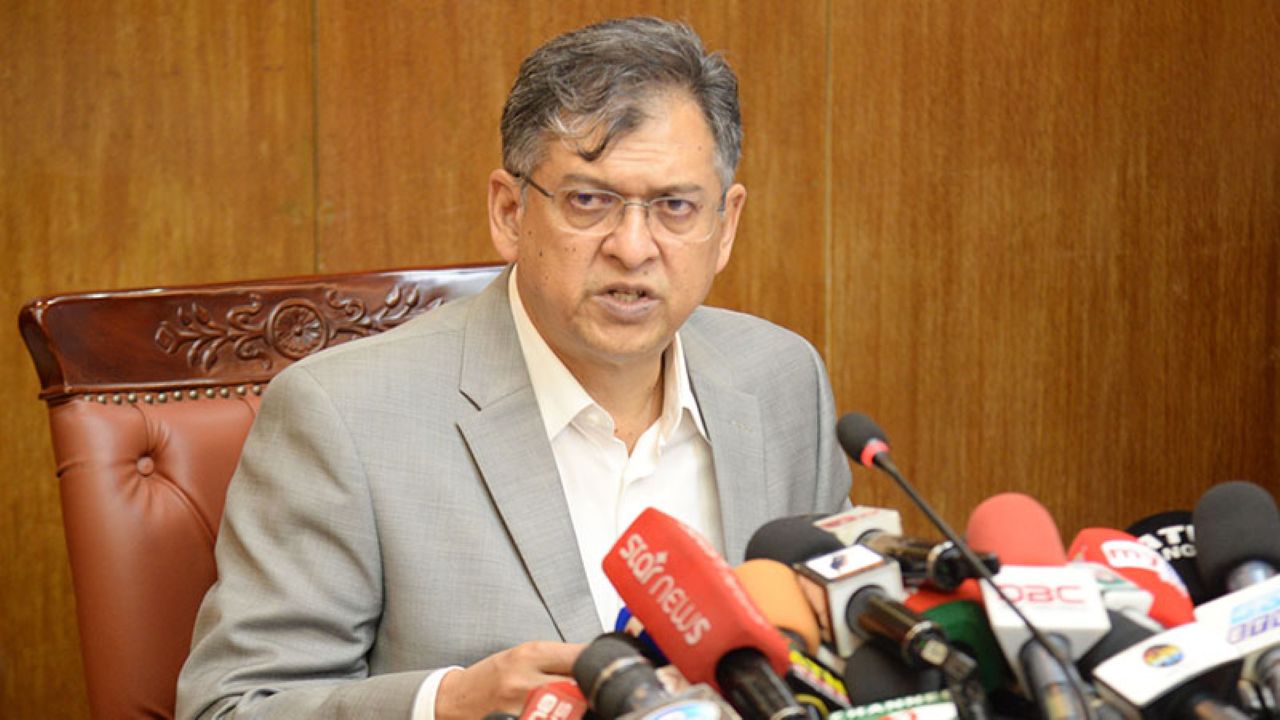
Regarding the formation of an alliance by Jamaat without BNP, she said, “Our secretary general previously announced plans to form an alliance without Jamaat. So, it is a matter for Jamaat.”
Jamaat Assistant Secretary General AHM Hamidur Rahman Azad said, “We have been trying to form an electoral alliance for a while now. However, the majority of the parties are in consensus against BNP with respect to reforms, proportional representation, and the July Accord. As a result, many think that we are forming an electoral alliance. This is a special hint for many. BNP leaders are in a better position to explain why the party is in such a hurry to form an alliance with the Islamic parties.”
Analysing the recent political situation in the country, it can be observed that a few parties, along with Jamaat, National Citizen Party (NCP), and Islami Andolon Bangladesh, are quite active on issues like the implementation of the July Accord, reforms, and elections under proportional representation. Gono Odhikar Parishad, Bangladesh Khelafat Majlish, Khelafat Majlish (different entities), and AB Party are some prominent names. Their anti-BNP stance is now very clear.
Rumours are rife that efforts are underway to form an alliance involving these parties. However, a process has been ongoing to forge an alliance among the Islamic parties since the ouster of the Awami League government on 5 August 2024.
After a long period of silence, BNP has recently become vocal about forming an alliance with the Islamic parties. At the same time, they also want anti-Jamaat parties on their side. The issue of forging an alliance or electoral compromise is becoming clearer with the activities of the party’s leaders.
BNP has recently held meetings with several parties, including Jamiat Ulama-e-Islam and Nizam-e-Islam. It has been learnt that during these meetings, the issue of seat-sharing was discussed. Particularly, the meetings with Hefazat-e-Islam Bangladesh, Jamiatul Mudarresin (an organisation of madrasa teachers and employees), and Sarsina Pir are seen as quite important.
Although these entities do not have large vote banks, BNP does not want to be left alone. In the absence of the Awami League, there could be negative repercussions if all other parties unite under one umbrella.
Therefore, the party is in the process of bringing leftist parties involved in the anti-fascism movement, as well as ideologically anti-Jamaat Islamic parties and organisations, into its fold.
Islami Andolon Bangladesh Senior Joint Secretary General Gazi Ataur Rahman, also the party spokesperson, said, “Many BNP leaders used to act as though the party alone would get 280 seats. All of a sudden, they have realised the people’s sentiments about their party and are now rushing to form an alliance.”
He does not believe that ‘real Islamic parties’ will join BNP.
NCP Senior Joint Convenor Ariful Islam Adib said, “Apart from BNP, the majority of the parties share the same views on proportional representation and the July Accord. Many believe that since we are opposed to BNP on these issues, we are forming an alliance. Nothing is final yet. Without thinking about alliances, we want elections for a people’s council to create a new constitution.”
Many of the minor parties are contemplating their positions after analysing the overall situation. Some, however, are willing to observe the situation for the time being before making decisions.