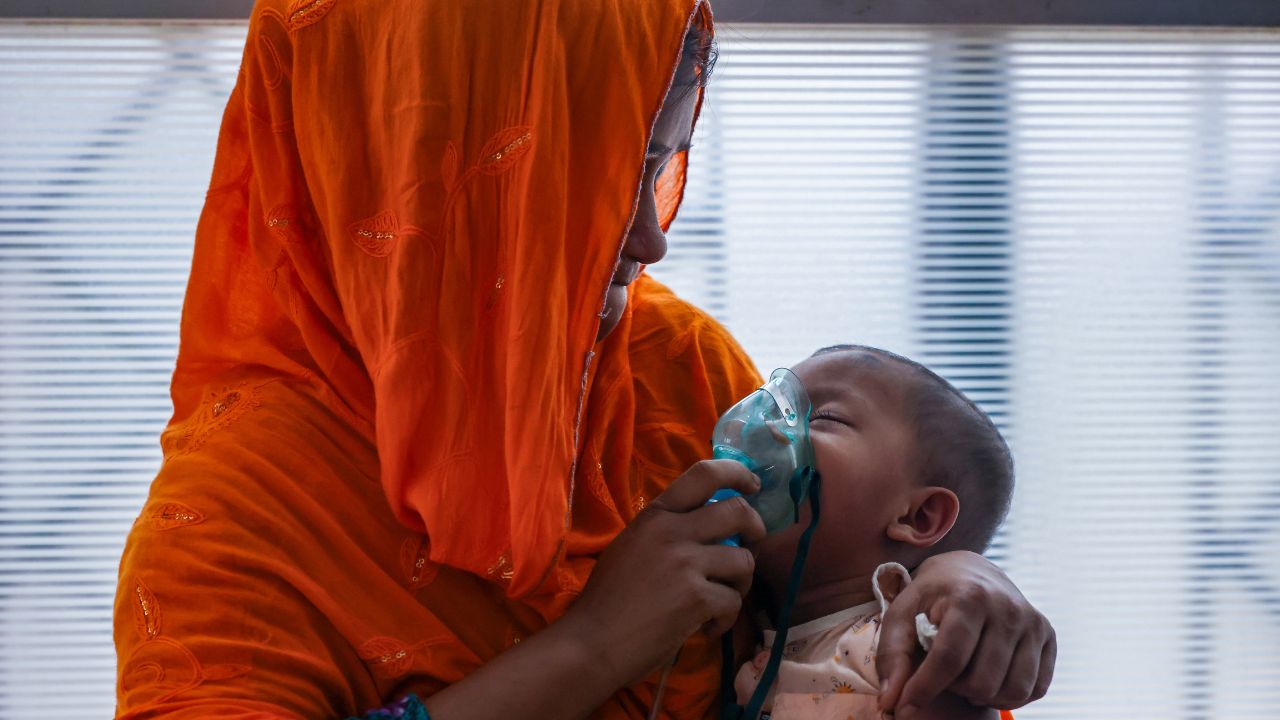
Families across Bangladesh are being pushed into debt as they struggle to meet the hidden costs of measles treatment, according to a joint assessment by the Bangladesh Red Crescent Society (BDRCS) and the International Federation of Red Cross and Red Crescent Societies (IFRC).
The findings, released on Monday, indicate that nearly nine in ten affected families (89 per cent) reported borrowing money to pay for treatment, while six in ten (61 per cent) have exhausted their savings.
The assessment was conducted among 2,746 measles-affected families receiving treatment at 12 government medical colleges and district hospitals nationwide.
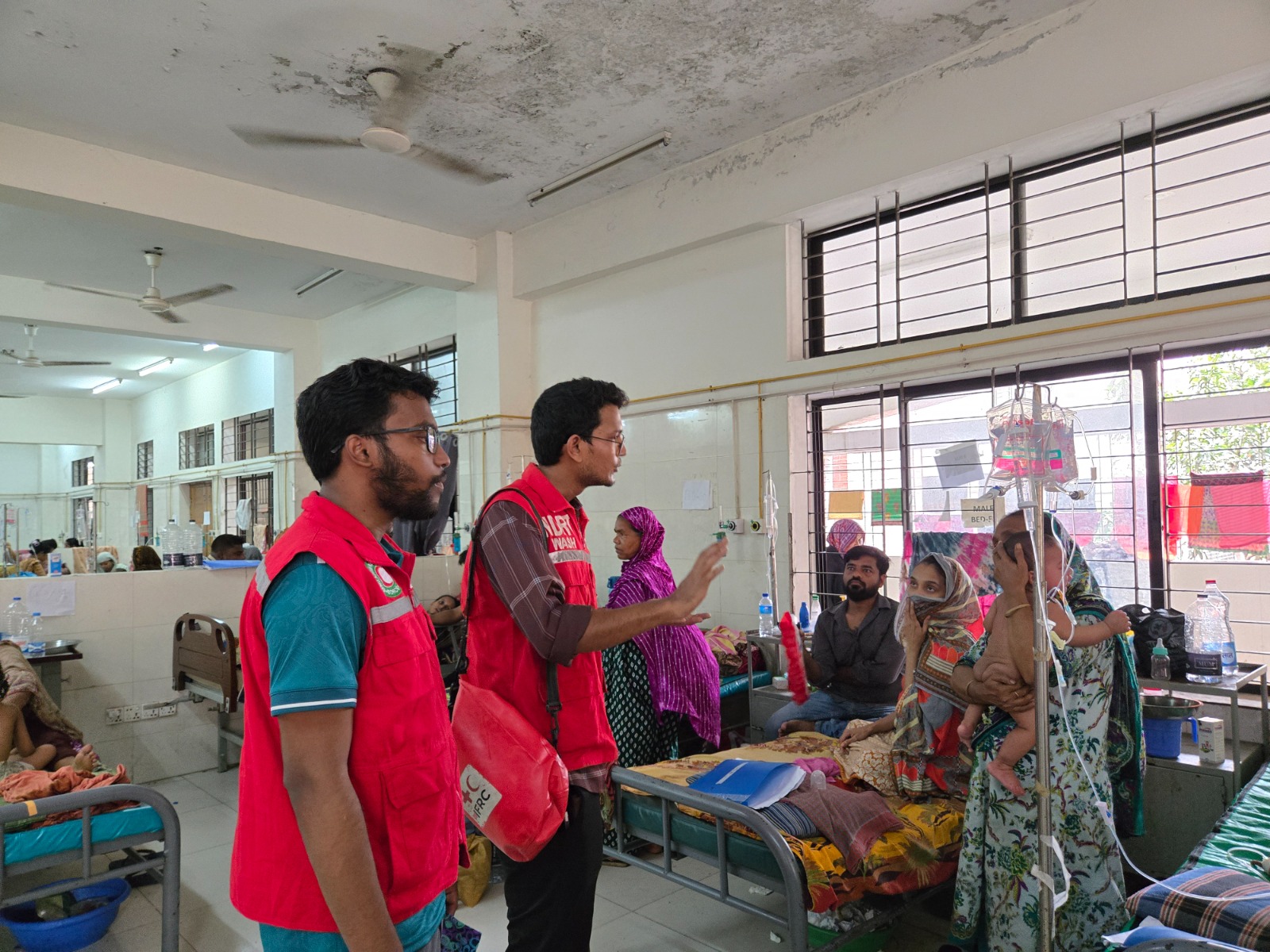
It revealed that the financial burden of the surge extends far beyond medical care, with families identifying their highest priorities as medicines (35 per cent), water, sanitation and hygiene (WASH) support (33 per cent), and food assistance (22 per cent).

Additionally, 4 per cent of families have been forced to sell assets, while 3 per cent relied on donations.
Demographic data shows that the surge has primarily impacted children, with 75 per cent of patients aged four years and under. Patients aged five to 17 years accounted for 19 per cent, while those over 18 years made up 6 per cent of cases.
Affected households spent an average of Tk16,000 on treatment and related expenses. The crisis is compounded by a loss of livelihoods; many caregivers reported losing income or their jobs after spending extended periods in hospitals to care for sick relatives.


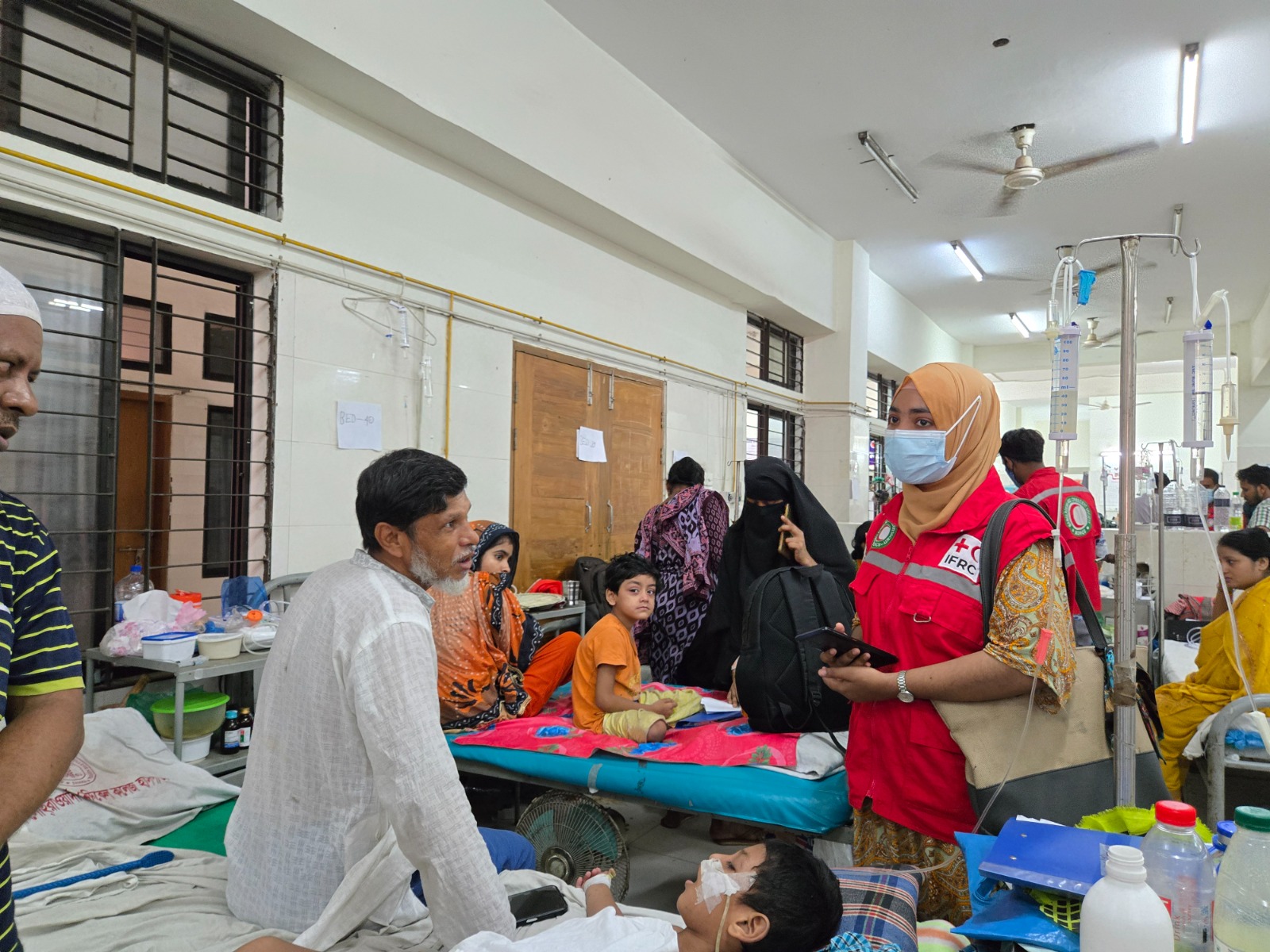
Of the families that reported their occupation, 78 per cent relied on informal employment, earning between TK6,000 and Tk20,000 per month.
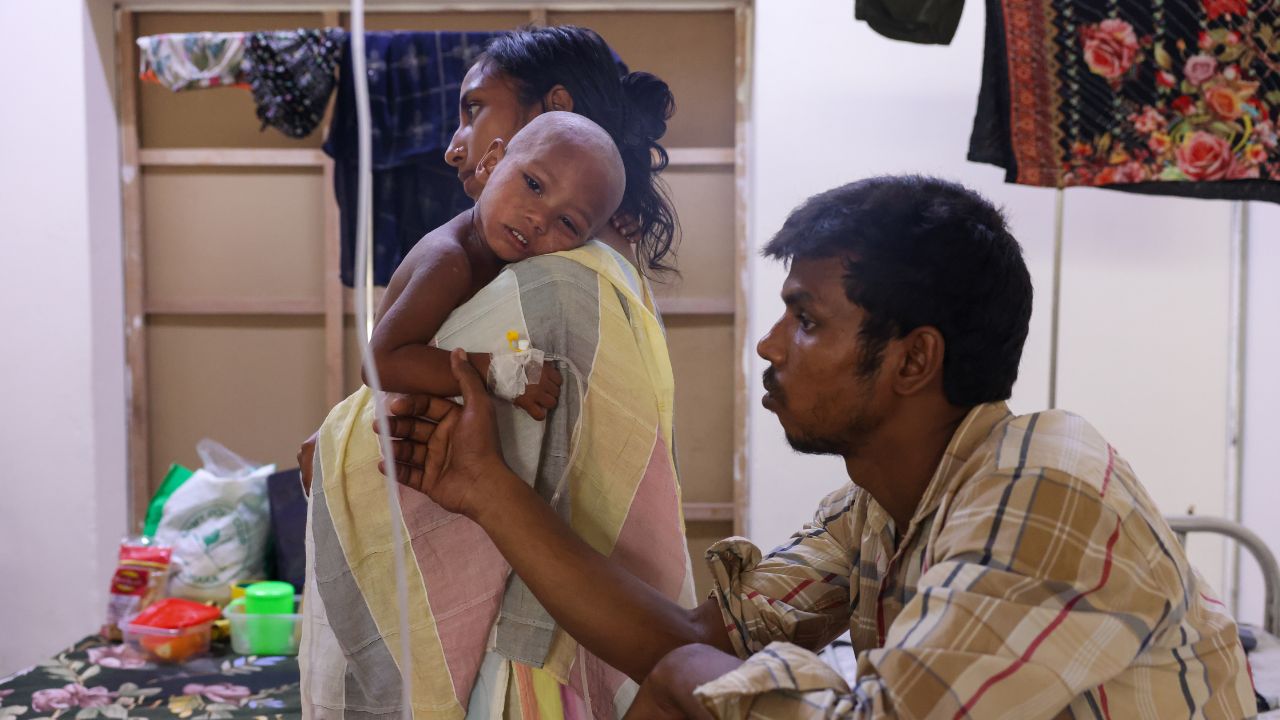
The financial strain is exemplified by the case of Hazera Khatun, who travelled from Rangpur to Dhaka for her 11-month-old daughter’s treatment at Shahid Suhrawardy Medical College Hospital. Her family has already spent over Tk70,000.
‘Treatment at the government hospital is free, but many other costs are not covered,’ she said. ‘We spent nearly Tk20,000 just to reach Dhaka by ambulance. Every day we buy food, pay for medical tests and cover other daily expenses.’ She added that she has borrowed from relatives as her husband, currently working in Saudi Arabia, has not received his salary this month.

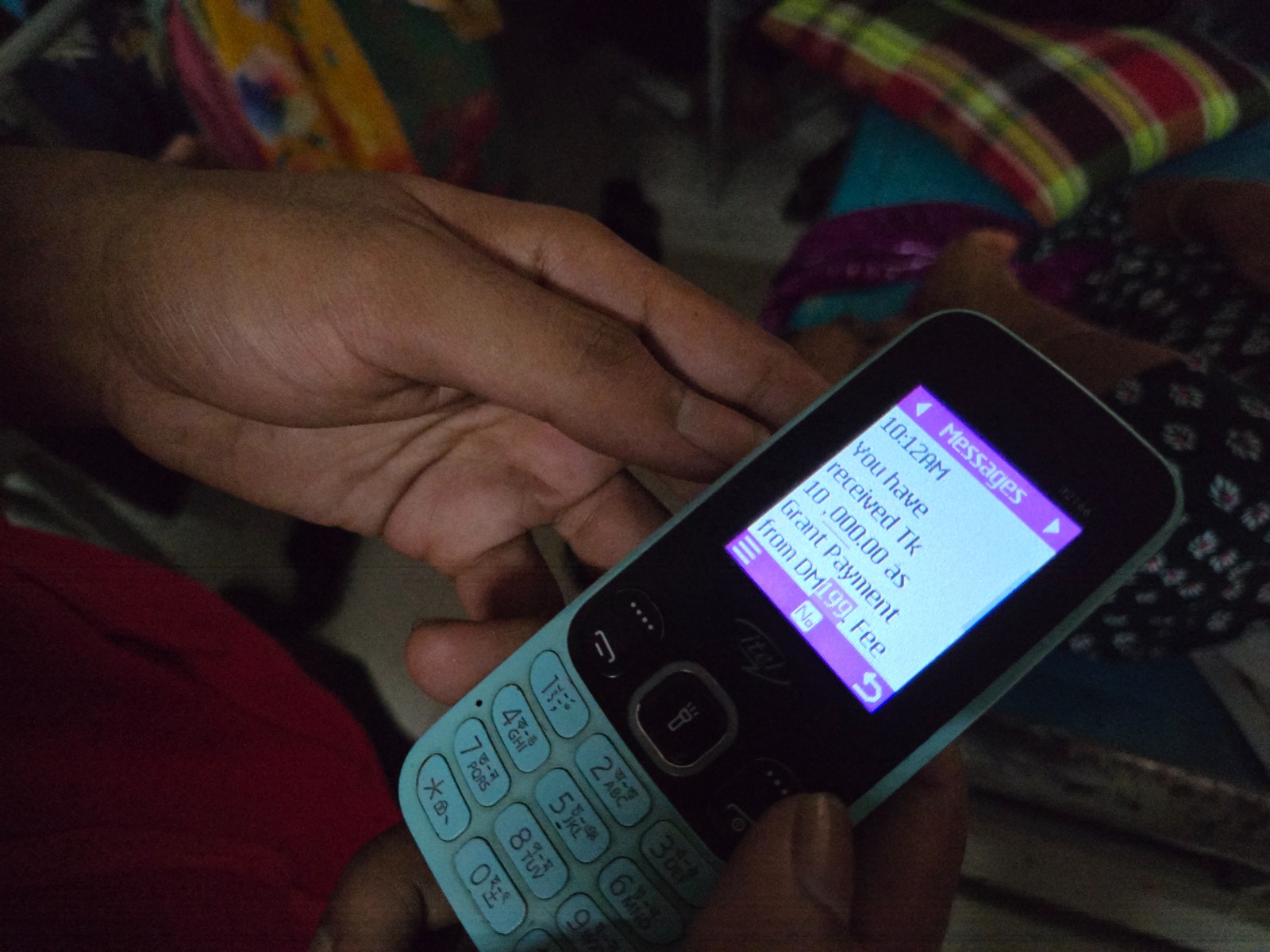
In response to the findings, the BDRCS is identifying 2,400 of the most vulnerable families to receive emergency cash assistance of Tk10,000 each.
BDRCS Secretary General Dr Kabir M Ashraf Alam stated, “The assessment shows that many families are facing not only a health emergency but also a severe financial strain. Through our emergency response, we are supporting the most vulnerable families with cash assistance while continuing community awareness activities.”
Alberto Bocanegra, head of delegation of the IFRC in Bangladesh, emphasised the need for robust support systems.
“The effects of this measles health emergency do not end at the hospital door, as families often face difficult financial limitations… these findings demonstrate why humanitarian assistance and strong social protection systems are both essential during public health emergencies,” he said.
With support from the IFRC and partners, the BDRCS has mobilised over 1,000 Red Crescent volunteers to support the Government of Bangladesh’s nationwide vaccination campaign, conducting community awareness and risk communication activities to encourage early healthcare seeking.