
Preliminary findings from an icddr,b investigation have found no genetic evidence that the measles virus currently circulating in Bangladesh has escaped the protection provided by existing vaccines.
The scale of the ongoing outbreak had led to public concern regarding whether the virus had genetically changed to reduce vaccine effectiveness.
However, researchers found that children who received both recommended doses were less likely to test positive among the suspected cases investigated. Genetic analysis identified the circulating virus as the B3 genotype, a strain previously reported in outbreaks globally.
Outbreak scale and investigation
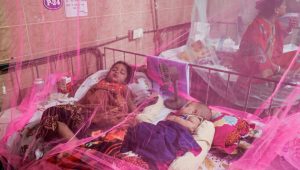
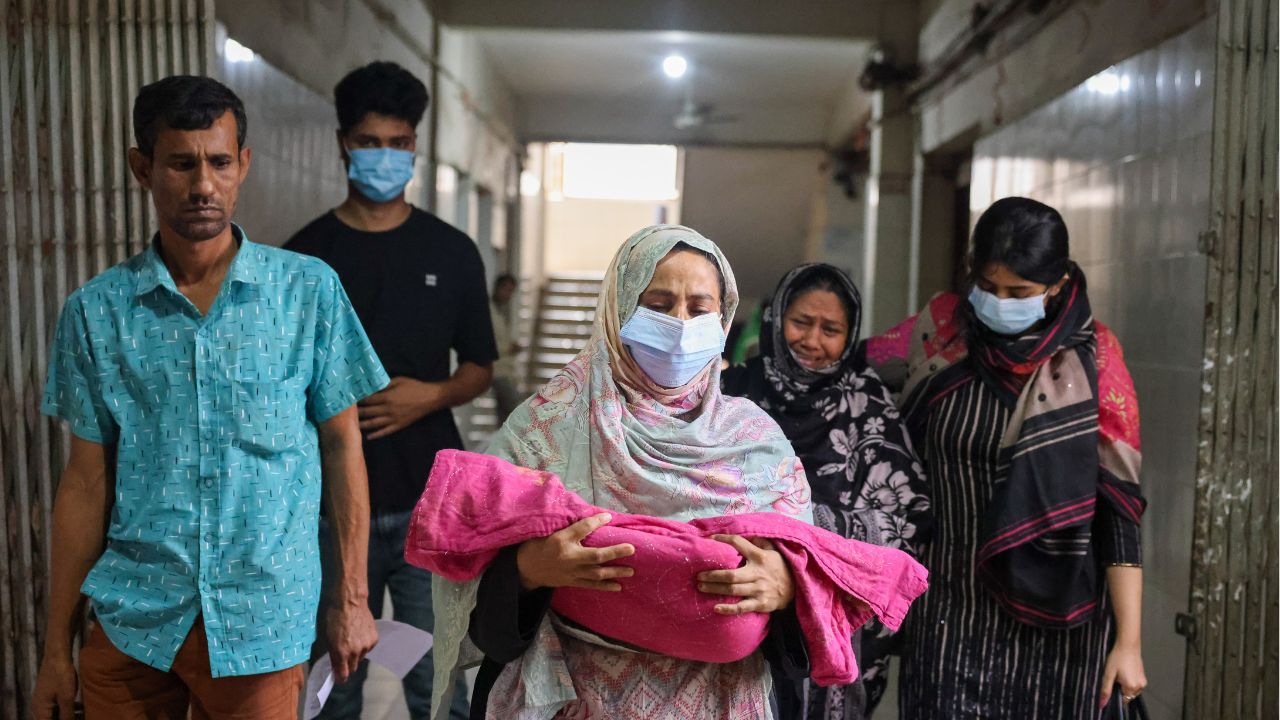
According to the Directorate General of Health Services (DGHS), 122,763 suspected cases and 15,272 laboratory-confirmed cases were reported between 15 March and 25 July 2026. During this period, 721 suspected and 95 confirmed measles-related deaths were recorded.
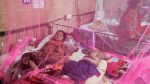
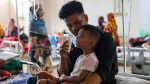
In response, researchers from icddr,b and the Bangladesh Shishu Hospital and Institute (BSH&I) investigated 341 children aged up to 14 years admitted to BSH&I with suspected measles between 20 April and 21 May 2026. Laboratory testing confirmed measles in 324 of these children.

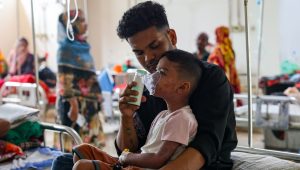
The study revealed that infants aged between three and eight months – who are too young for the routine nine-month vaccination – constituted the largest affected group, with 137 confirmed cases.
Among the 341 children investigated, the positivity rate was approximately 97 per cent for those below nine months of age and those who were unvaccinated despite being eligible. For children who had received one dose, the positivity rate was 92 per cent, while it dropped to 76 per cent among those who had received both recommended doses.
“The size of this outbreak has understandably raised concerns about whether the vaccine is still working. Our findings provide no evidence that the virus has escaped vaccine protection,” said Dr Noorjahan Maliha, Associate Scientist in the Virology Laboratory of the Infectious Diseases Division at icddr,b.


She noted that while positivity was lower among fully vaccinated children, this hospital-based study does not provide a population-level estimate of vaccine effectiveness.
Genetic analysis and mutations
Phylogenetic analysis of 55 whole-genome sequences—conducted by icddr,b and the Institute of Epidemiology, Disease Control and Research (IEDCR)—showed all viruses belonged to the B3 subclade.
Researchers identified four mutations in the virus’s H protein epitopes, which are principal targets for vaccine-induced antibodies. Some of these mutations have been reported elsewhere in the world.
Experts emphasised that these mutations do not mean the virus is vaccine-resistant, as measles remains a single serotype and antibodies recognise multiple sites on the virus. Further testing is required to determine if these mutations have any measurable effect on protection.
Infant vulnerability
The findings highlighted a period of vulnerability for young infants who depend on maternal antibodies and community immunity before their first vaccine dose at nine months.
An initial analysis of 16 mother-child pairs found that maternal antibodies declined rapidly, with no protective antibodies detected in children aged three to eight months.
Dr Mustafizur Rahman, Senior Director of the Infectious Diseases Division at icddr,b, stated that vaccination remains the most effective way to prevent measles, but stressed the need to understand why the outbreak became so large despite high reported national coverage.
Dr Kamrun Nahar, Assistant Scientist, added that research must determine if reported coverage conceals specific communities with “immunity gaps.”
Dr Tahmeed Ahmed, Executive Director of icddr,b, announced a wider research response to examine why some vaccinated children became infected and how factors like malnutrition affect protection.
Researchers emphasised that parents must not delay or avoid vaccination and should ensure children receive all eligible measles-rubella vaccine doses as per Government guidance.