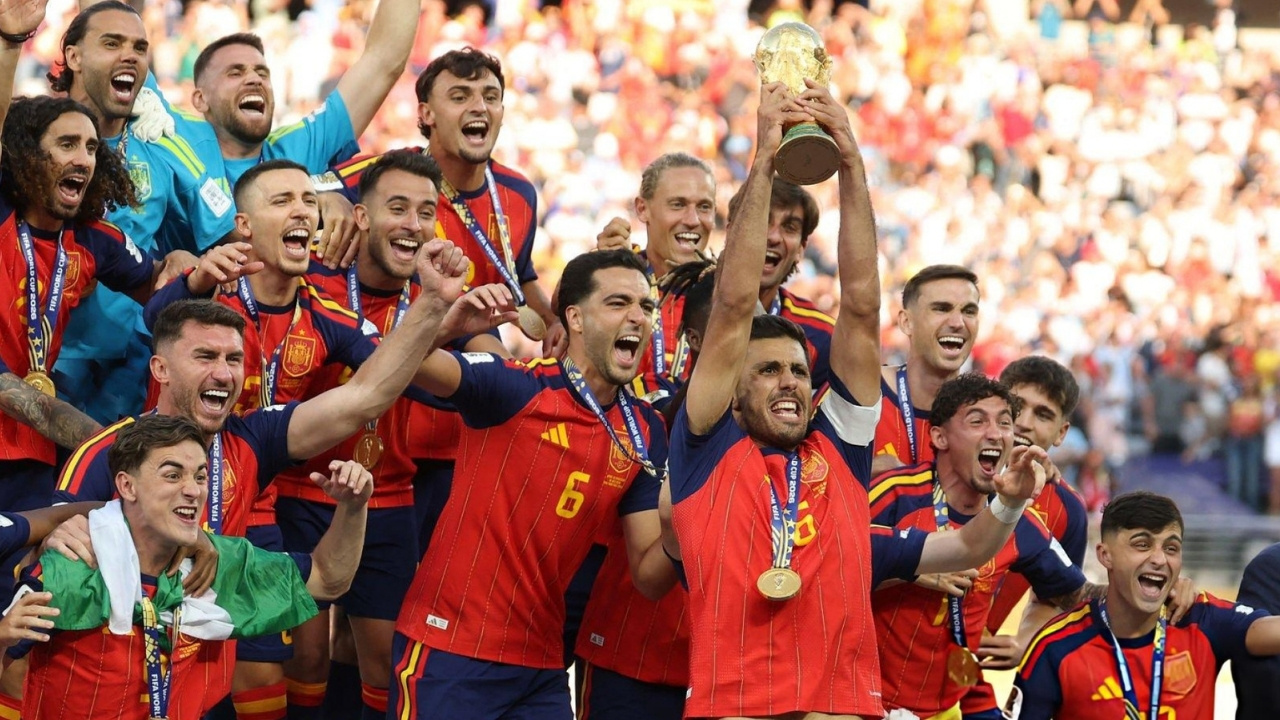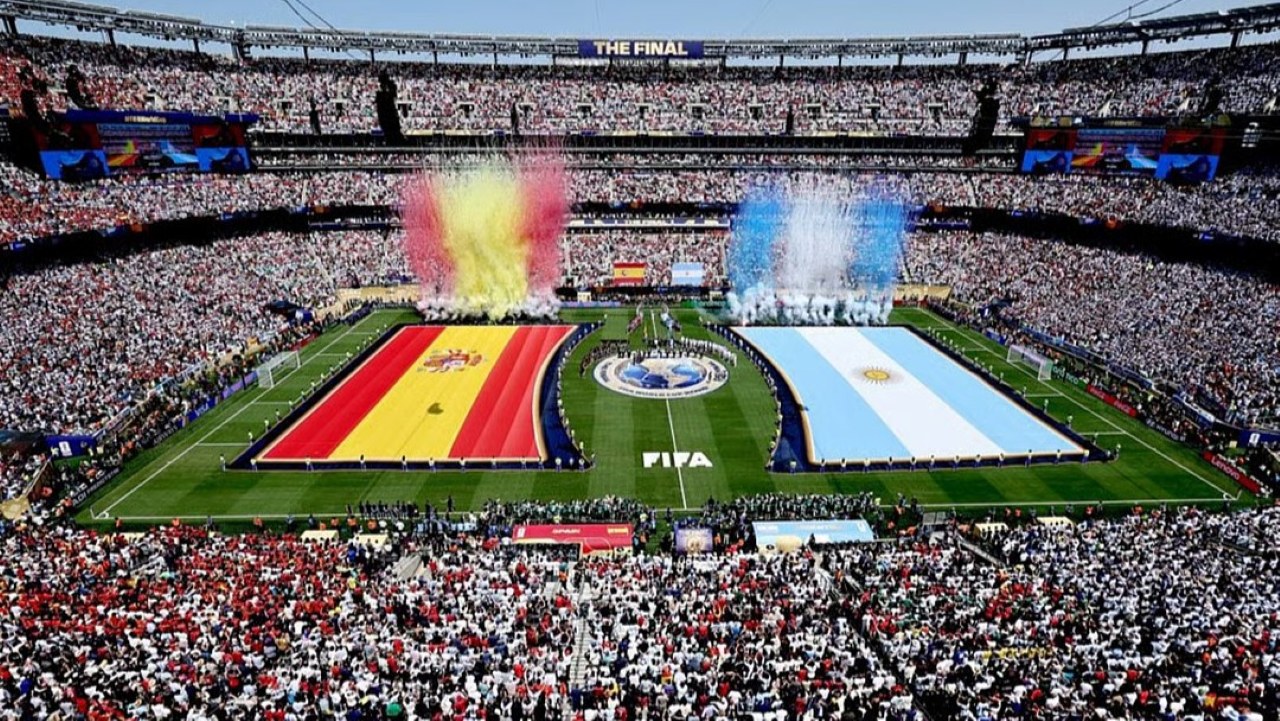

Nearly 63 million Americans watched Spain beat Argentina in the 2026 FIFA World Cup final, setting a new United States television record and highlighting football’s growing popularity across the country.
Spain secured a 1-0 extra-time victory at MetLife Stadium in New Jersey after Ferran Torres scored the only goal in the 106th minute. The final attracted 62.8 million viewers across English and Spanish broadcasts, comfortably surpassing the previous US record of 22.3 million for the 2022 World Cup final.
Fox’s English-language coverage drew 38.9 million viewers, while Telemundo and Peacock attracted another 23.9 million through Spanish-language broadcasts.

The tournament also proved highly successful for broadcasters. Fox and Comcast reportedly paid about $485 million and $600 million respectively for their World Cup rights packages. Strong viewing figures throughout the competition helped justify that investment.
Several knockout matches also outperformed recent championship games in other major American sports. The Round of 16 clash between England and Mexico attracted almost 45 million viewers, comfortably exceeding audiences for the latest MLB World Series decider and the NBA Finals clincher.




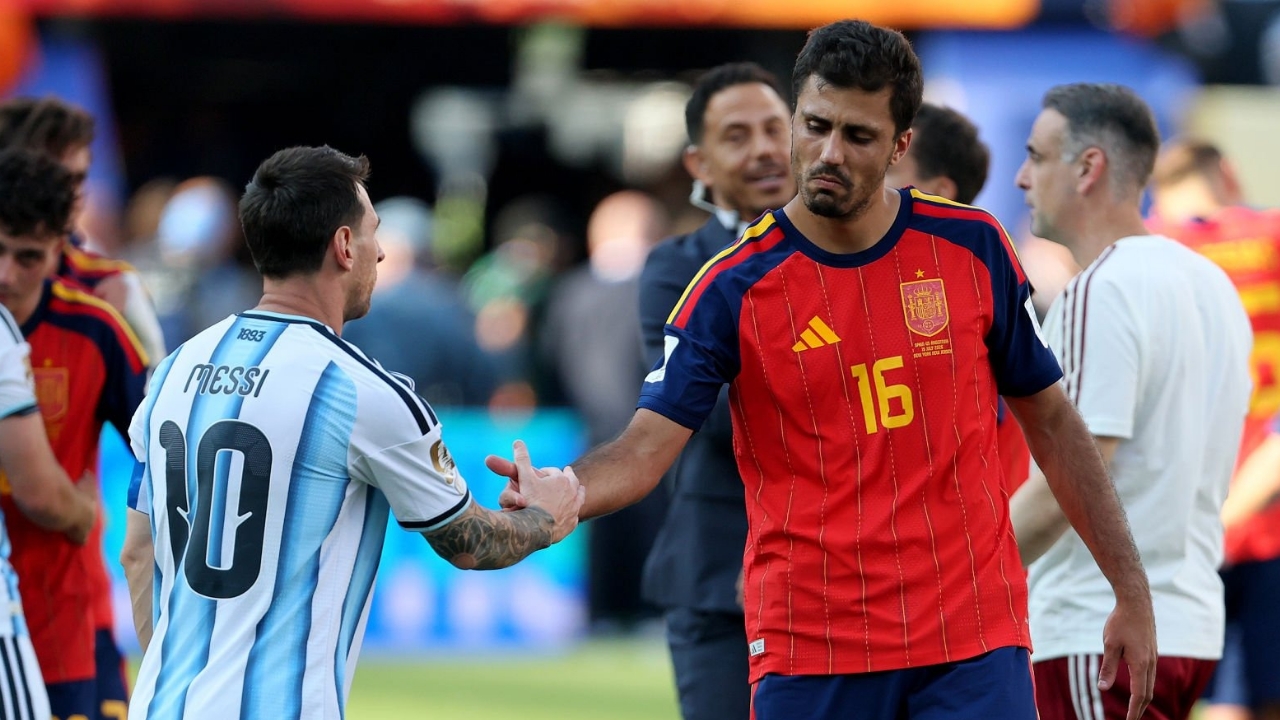
Although the final remained well below the 126 million viewers who watched Super Bowl LX, the figures marked another significant step in football’s rise within the United States. The tournament benefited from prime-time kick-off slots for American audiences and the possibility that it could be the final World Cup appearances for Lionel Messi and Cristiano Ronaldo.
Streaming also received a major boost. Fox One recorded 2.8 million new sign-ups in June, more than double the subscriptions generated during the NFL Playoffs earlier this year.
The tournament also created fresh commercial opportunities. FIFA’s new hydration breaks allowed additional advertising slots, with reports suggesting Fox could generate at least $250 million from those breaks alone. Advertising demand also surged, with some 30-second knockout-stage commercials reportedly costing up to $1 million.
Questions remain over whether other tournament innovations, including the first Super Bowl-style halftime show and championship rings for winners, will become permanent features. The next World Cup will take place across Spain, Portugal and Morocco in 2030, followed by Saudi Arabia in 2034, where less favourable kick-off times could affect American television audiences.