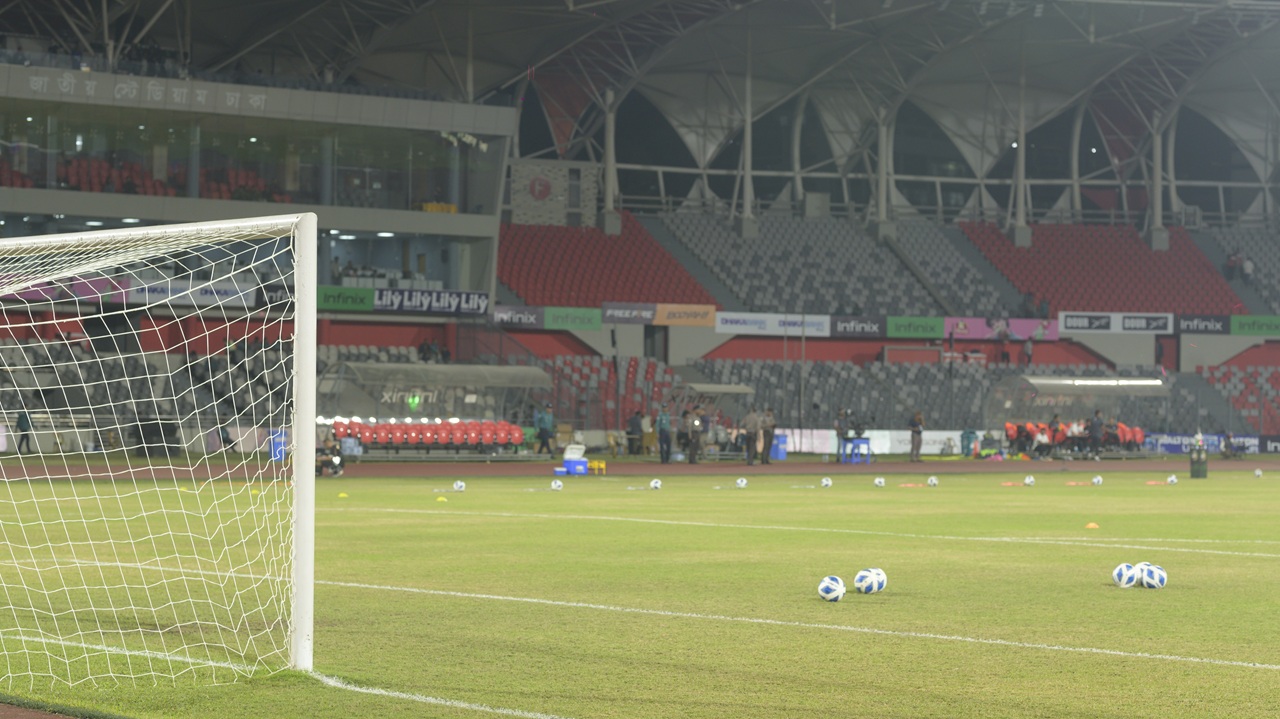
National Stadium, Dhaka, stands tall in name and history at the heart of the city. It is the centre of big matches, national pride and public celebrations. Yet the reality on the ground often tells a different story.
Inside and outside the gates, cleanliness has become a constant worry. Around the stands, trash bins overflow. Plastic bottles and food wrappers lie scattered long after games finish. During the recent Women’s Tri-National Series match between Bangladesh and Malaysia, heaps of garbage were clearly visible for hours. It wasn’t very pleasant for Bangladesh. For visiting teams and foreign viewers, it painted a poor image of the country.
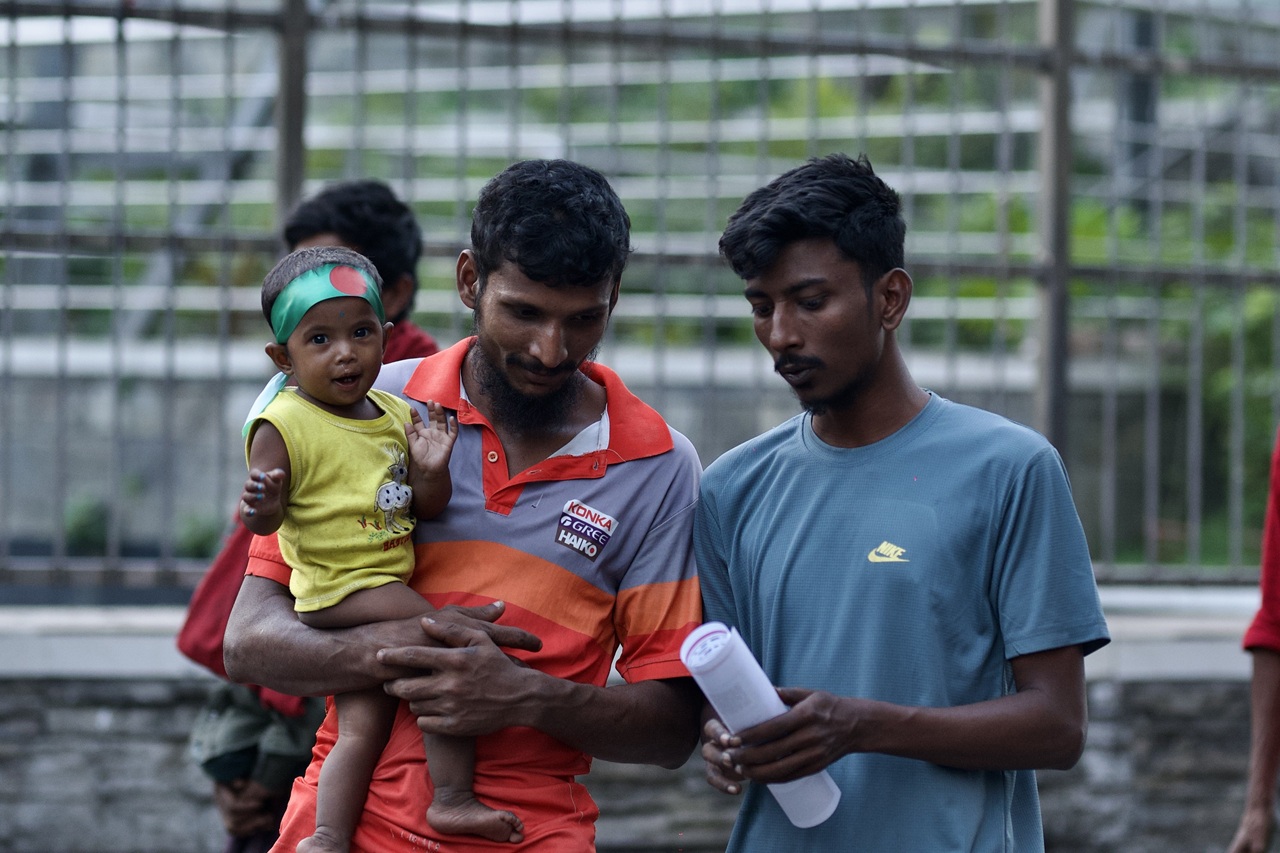
Organisers call it a multipurpose stadium, used for cricket, football and other events, but the lack of basic upkeep shows mismanagement at its worst. The crowd regularly faces disorder on match days. Entry points turn chaotic, with long lines and confused directions. Sometimes, frustration takes over. Gates got broken. People forced their way inside. Security concerns rise every time this happens.

Ticketing is another major issue. The official online system was introduced to modernise access. But many fans find it complicated and unreliable. Slow loading pages or failed payments leave people unable to secure seats through official channels. For many, buying a ticket becomes a test of patience.



As a result, a black market thrives outside the stadium. Black market sellers wait outside. They offer instant tickets at double or triple the price. Some blame the messy online process for making illegal sales profitable. Others blame the lack of strict monitoring. Either way, the result is the same. Fans are exploited. Fair access is lost.
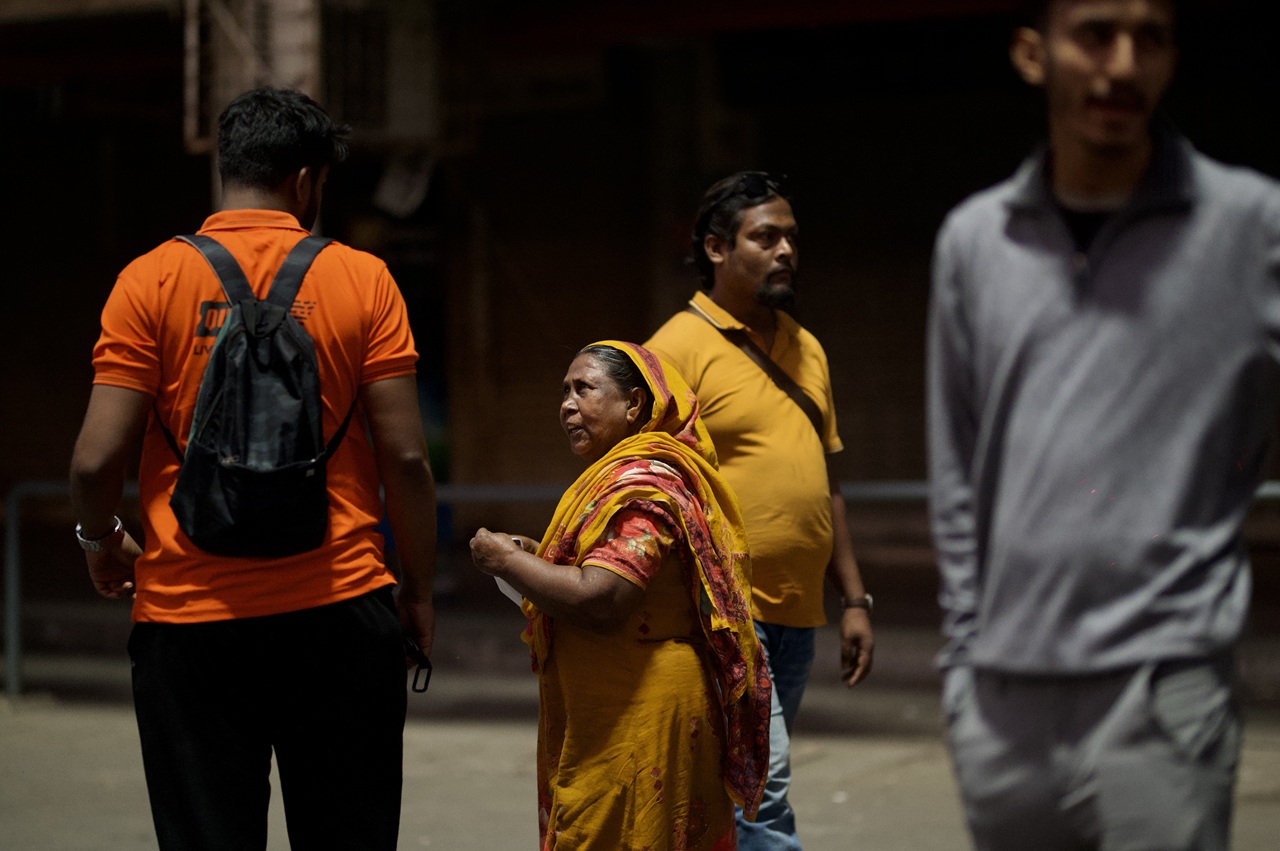
Even after the final whistle, problems persist. When the game ends, the crowd spills onto the streets. Public transport becomes scarce. Traffic jams stretch endlessly. Women, elderly fans and families suffer the most. A stadium of this scale deserves a proper post-match transport plan.
National Stadium should be a symbol of pride. It represents the nation. Every match is a window to Bangladesh. When visitors see disorder, dirt and chaos, the message is loud and clear.
The current conditions reflect deeper failings in management, planning and execution. It needs basic cleanliness, clear management, transparent ticketing, strict security and a real system to manage crowds and transport. Only then can this iconic venue truly reflect the spirit of Bangladeshi sport and dignity on the world stage.