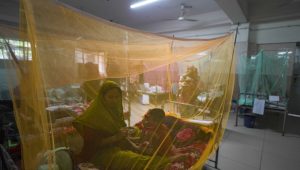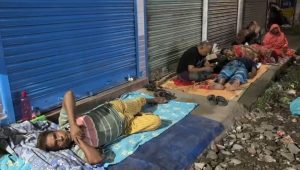



Jamdani weaving is one of the oldest and finest textile traditions of Bangladesh, holding a proud global identity. During the Mughal era, jamdani flourished under royal patronage, celebrated for its intricate hand-woven motifs and ethereal beauty.
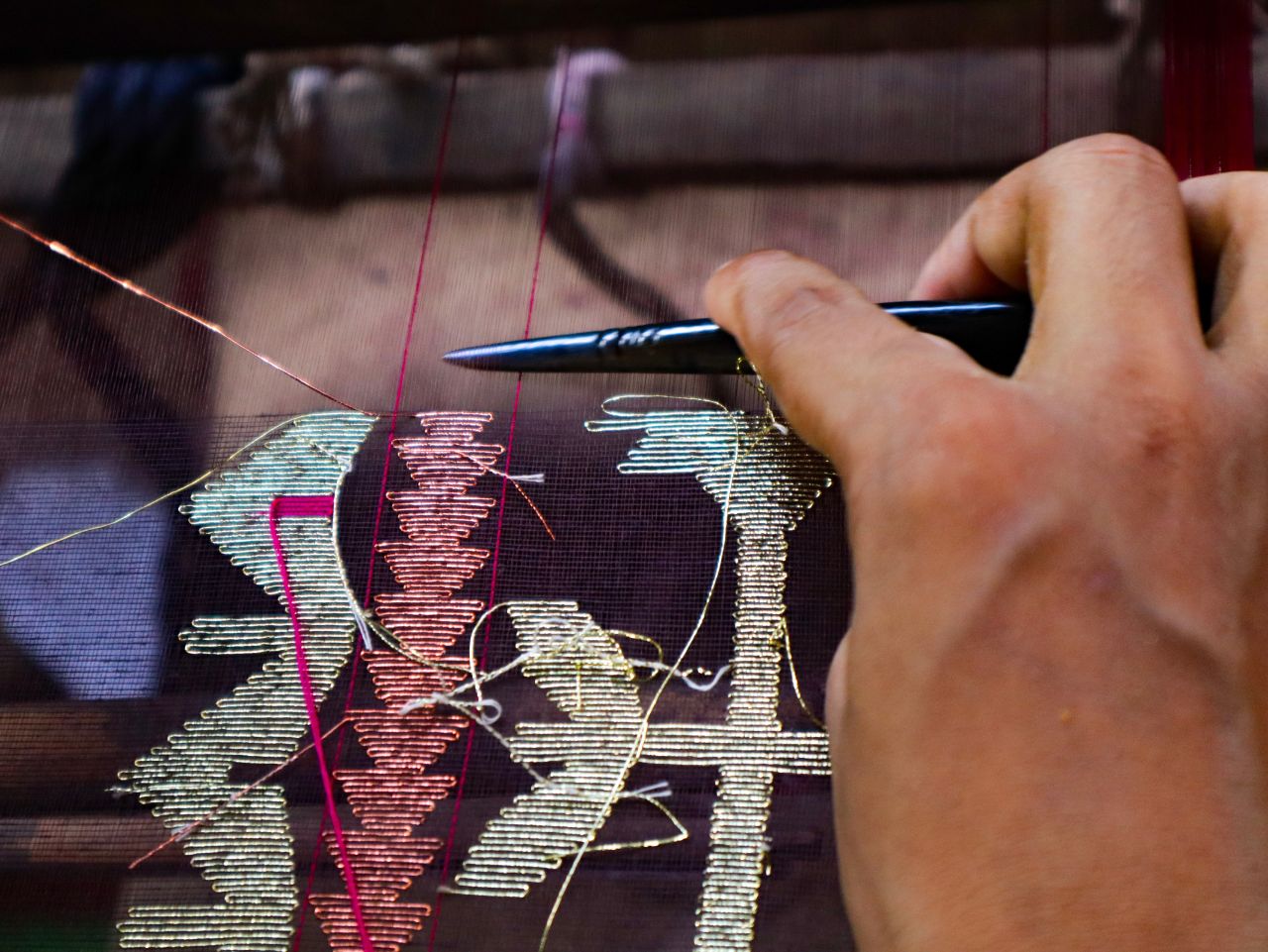
The quality of a jamdani saree depends on its thread count: Lower counts like 30 to 40, medium counts like 60 to 80, and high counts like 100 to 120 and above. Each thread is a testament to the patience and precision of the artisan who weaves it.
Despite its royal history, the modern reality for the makers of this art is defined by hardship. In Uttar Mugrakul, Tarabo, Narayanganj district, almost every household depends on jamdani weaving for survival. Here, jamdani is not just a traditional craft; it is the sole source of living for hundreds of working-class families.

Artisans sit at their handlooms every day from 8am to 10pm. Crafting just one single jamdani saree demands up to seven days of relentless labour: Each motif carefully plotted, each thread painstakingly counted. The rhythm of the loom is the rhythm of their lives.
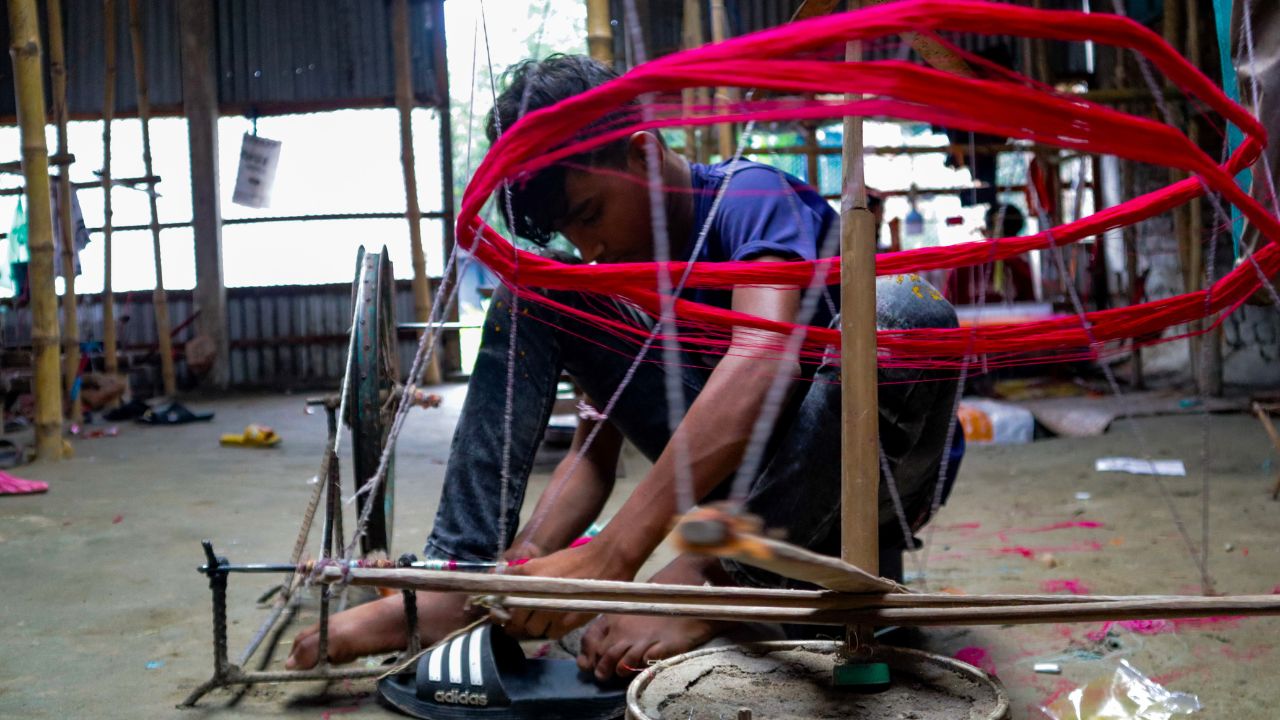
This craft is deeply generational, drawing in even the youngest members of the community. In many households, children grow up alongside the loom and learn the trade out of economic necessity.


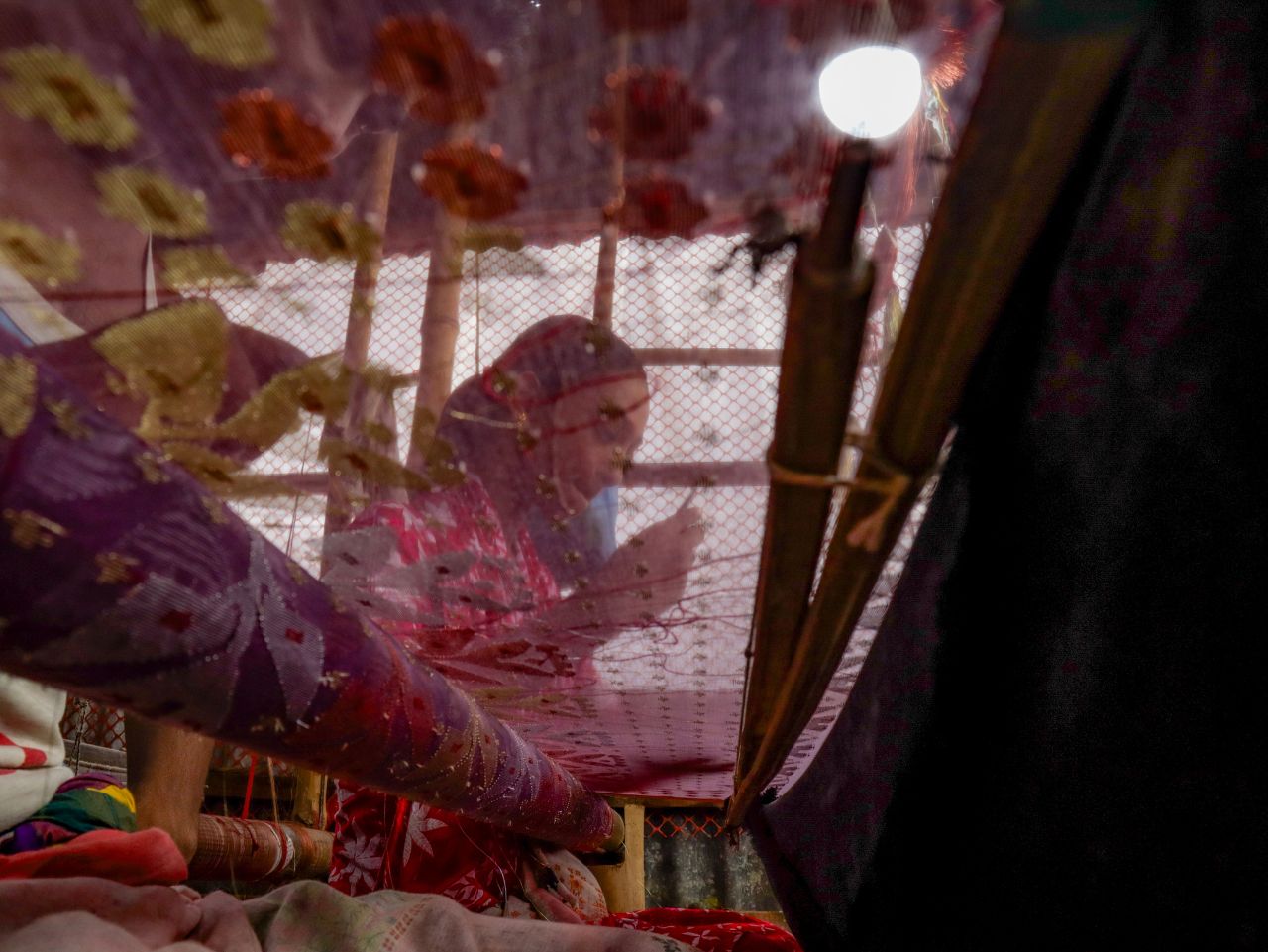
Young boys and girls as early as eight or nine years old spend long hours sitting beside adult weavers, learning to wind spools and insert intricate design threads instead of focusing fully on study, school, or play. Education becomes a luxury; the loom becomes a classroom.
Despite their backbreaking effort, many employed weavers and wage labourers do not receive fair compensation. A large portion of the profit goes to middlemen and traders. The weavers’ relentless work rarely translates into financial security. They toil for hours on end, yet their earnings barely sustain their families.
For the master weavers, this struggle is a lifelong story. Many master weavers in Uttar Mugrakul have been working at the loom for over 50 years. Their hands are calloused, and their vision is strained after decades of counting fine threads under dim light. Yet they continue, driven by necessity and a quiet sense of pride.
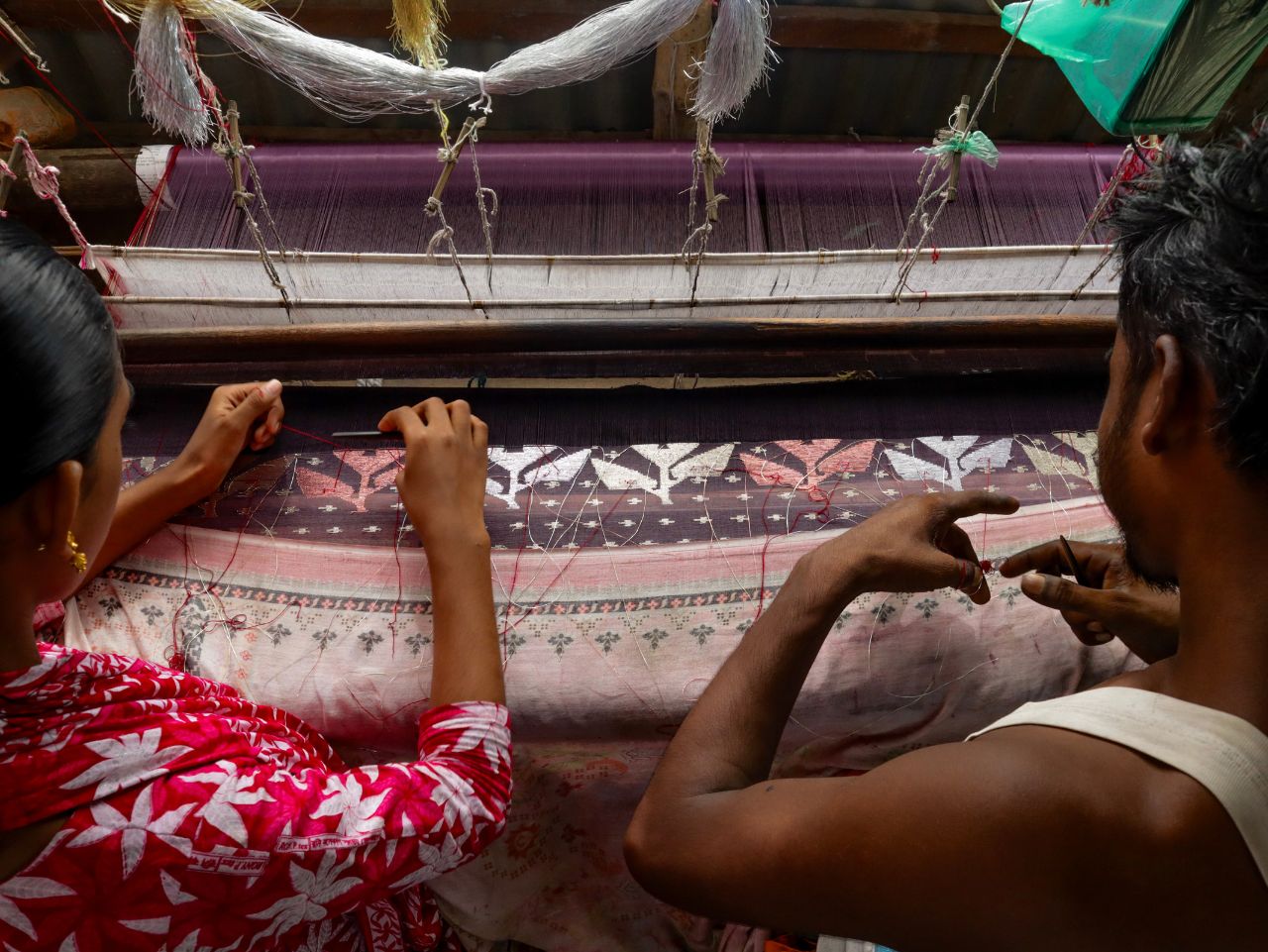
Even after decades of continuous struggle, these artisans refuse to let go of their ancestral craft. With failing vision and calloused hands, they keep weaving day in and day out, simply to keep their families fed and protect a centuries-old tradition from fading away.
The jamdani saree, admired around the world, is woven with threads of gold, but its makers are left with little more than callouses and tired eyes.