Myanmar has formally denied genocide allegations at the International Court of Justice (ICJ), asserting that its 2017 military offensive against the Rohingya minority was a legitimate counterterrorism response to insurgent activities in Rakhine state.
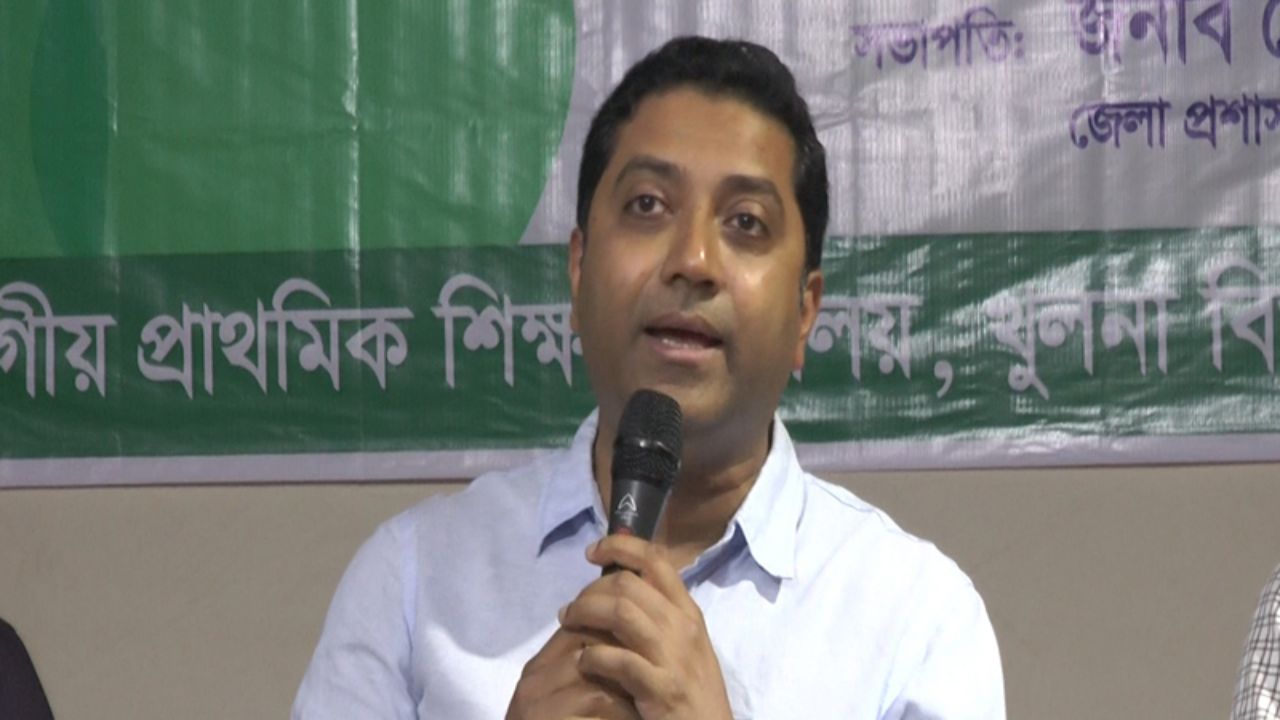
Addressing the United Nations’ highest court on Friday, Myanmar’s representative Ko Ko Hlaing rejected accusations that state forces committed genocidal acts. He argued that the government could not be expected to permit armed groups to operate without restriction in northern Rakhine.
The 2017 campaign followed attacks by a Rohingya militant group and resulted in widespread reports of mass killings, sexual violence, and the burning of villages.

These events forced more than 700,000 Rohingya to seek refuge in neighbouring Bangladesh, where approximately 1.2 million people now reside in overcrowded camps under deteriorating humanitarian conditions.
The legal proceedings were initiated in 2019 by The Gambia, which accuses Myanmar of breaching the Genocide Convention.


Gambian Justice Minister Dawda Jallow testified that the Rohingya had suffered decades of systematic persecution, which reached a peak during what he termed genocidal “clearance operations” in 2016 and 2017.
Myanmar’s legal team disputed the evidence presented by The Gambia, including the conclusions of a UN fact-finding mission, contending that the claims did not satisfy the necessary burden of proof.
While ousted leader Aung San Suu Kyi personally defended the nation during initial hearings in 2019, she has been imprisoned since the 2021 military coup. In 2022, the ICJ dismissed Myanmar’s challenge to its jurisdiction, allowing the case to move forward.
In a separate legal development, the International Criminal Court has applied for an arrest warrant for junta chief Min Aung Hlaing concerning alleged crimes against humanity related to the Rohingya.