



While Dhaka’s private buses are chugging along outlasting a two-decade statutory lifespan, buses of state-run Bangladesh Road Transport Corporation (BRTC) are dying in the fast lane after just six to eight years.
As the government tries to clear aging vehicles off the roads, its own fleet is suffering from a premature crisis raising serious questions about fleet management and fiscal accountability.
But this is not just a maintenance failure, it is a financial ticking time bomb. Purchased with foreign loans, these buses were supposed to pay for themselves. Instead, they are breaking down early, cutting off revenue, and leaving the country with a massive debt hangover.
Out of 1,558 buses purchased between 2009 and 2019, 343 have already been declared “beyond economic repair.” Currently, 1,102 buses remain in operation, while 64 are undergoing heavy repairs.
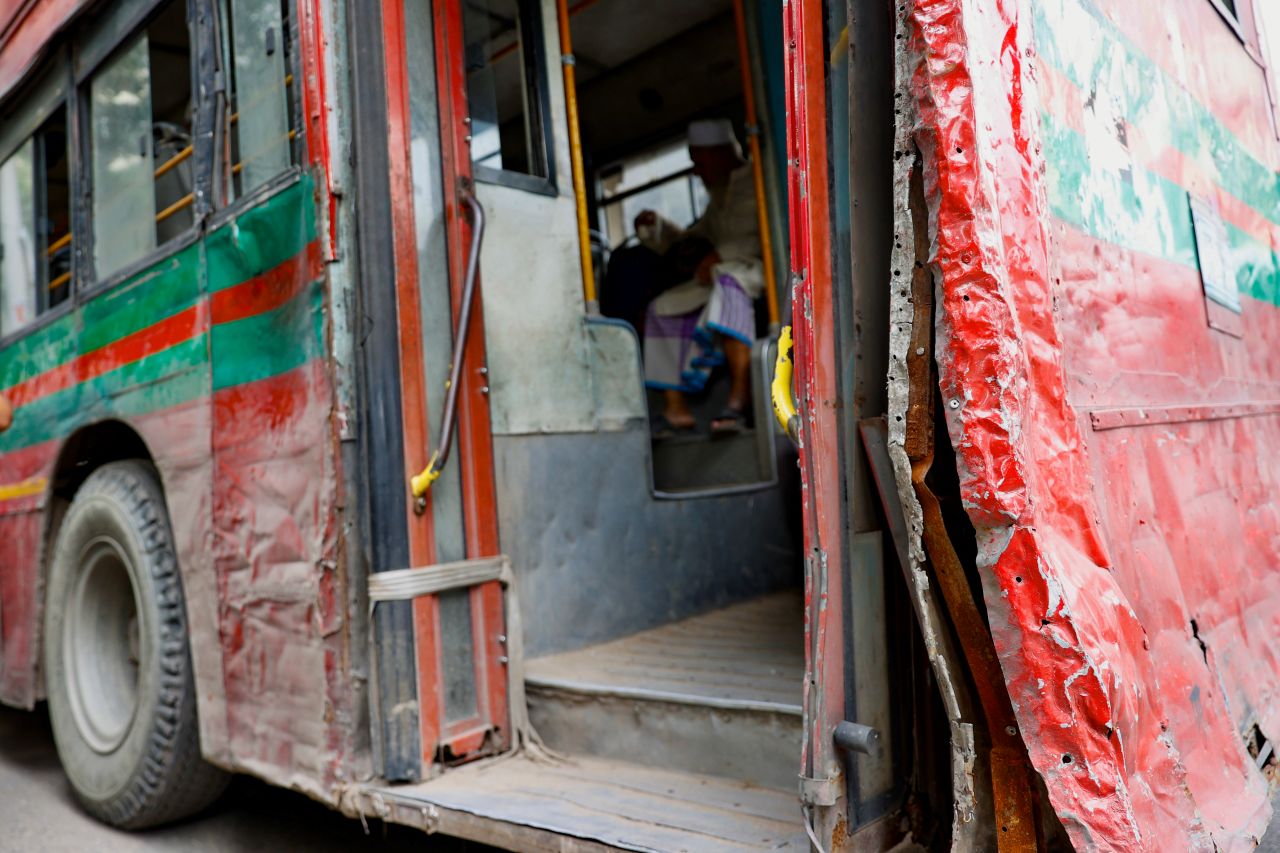
Furthermore, about 42 per cent of the 275 CNG-powered buses purchased in 2015 became unusable within just five years.
At the time, the BRTC admitted it could not keep the fleet running due to high maintenance costs and a shortage of spare parts.
Among BRTC’s fleet, the Volvo double-decker buses, were perhaps the most notorious example of premature grounding.
In 1999, 50 of these buses were purchased from Sweden.
Though highly popular among Dhaka commuters after hitting the roads in 2002, the Tk 3 crore vehicles began breaking down within six years, despite a 15-year lifespan.

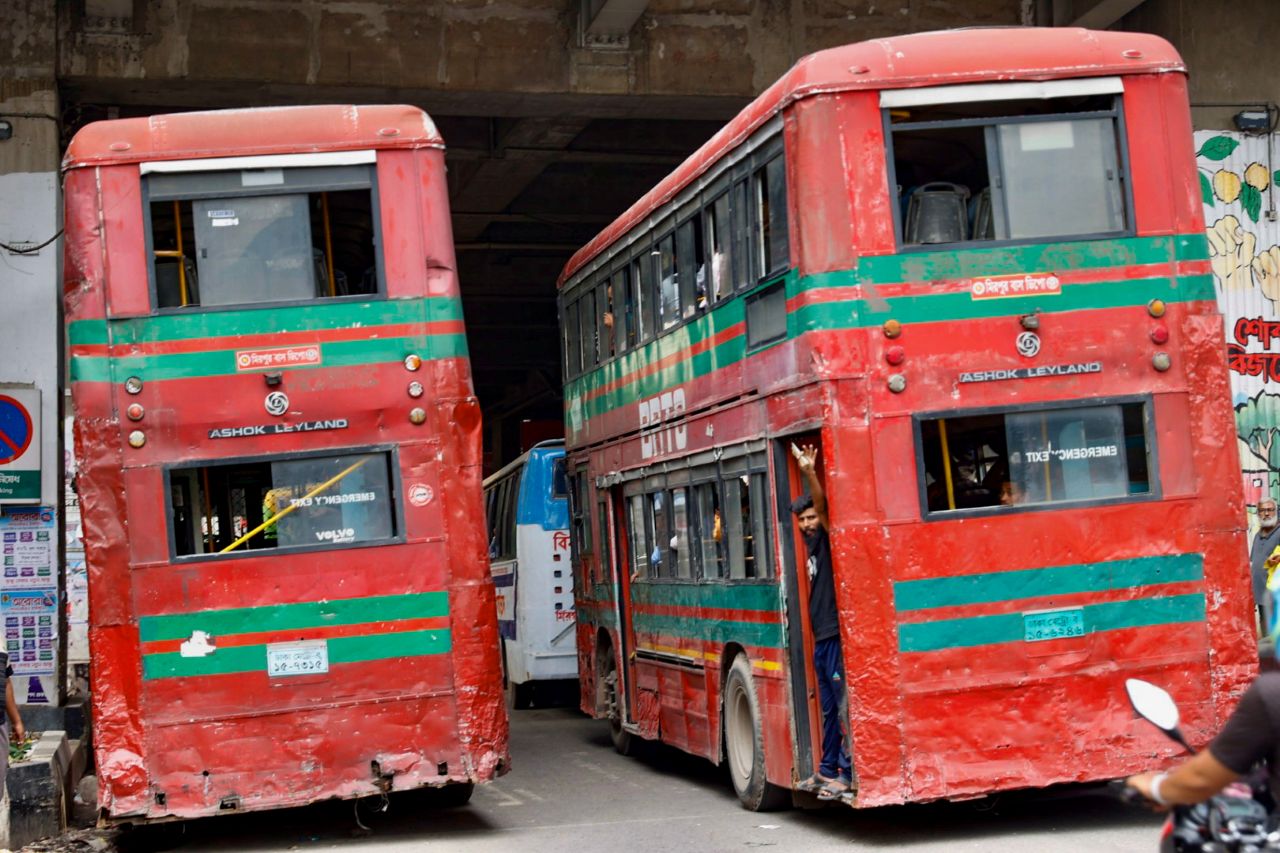
Later, BRTC introduced 50 articulated (twin-carriage), 54-foot buses costing Tk 1.1 crore each and within a few years, 20 went out of service, followed rapidly by the rest.
Similarly, 253 Korean AC buses, 245 Chinese single-deckers, and 443 Indian single-deckers suffered quick breakdowns.
While BRTC struggles with premature fleet retirement, the wider transport sector faces the opposite crisis: expired vehicles.
According to Bangladesh Road Transport Authority (BRTA) data, 16,198 buses and minibuses, mostly private, have exceeded their legal lifespan. Government data reveals about 30 per cent of active buses operate past expiry dates, prompting repeated, unheeded removal orders.
Even active buses are in poor condition. A Bangladesh Bank official told TIMES of Bangladesh, “The air conditioning on Bangladesh Bank’s staff buses, operated by BRTC, is frequently broken, yet the windows are sealed shut,” forcing him to switch to the metro rail.
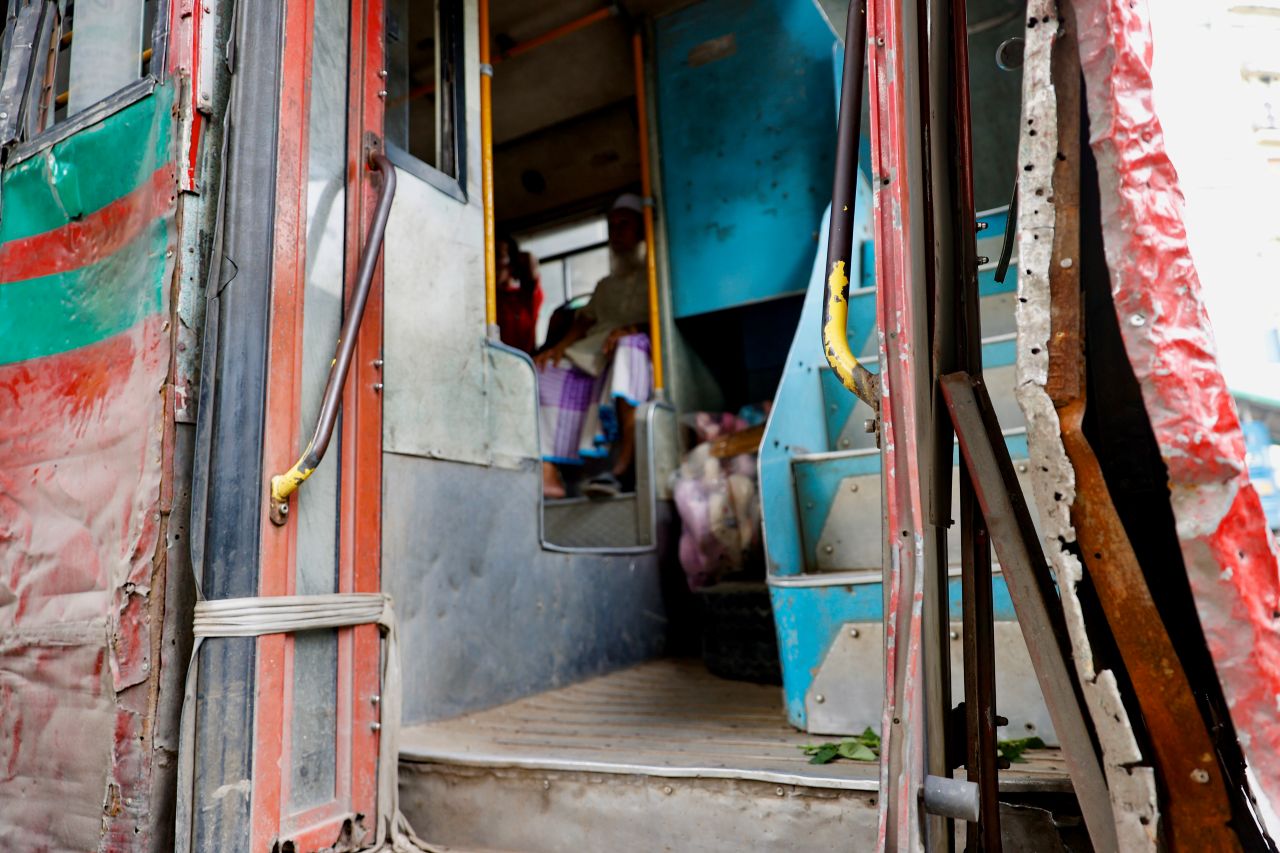
This disparity is long-standing. In 2022, then-BRTC Chairman Md Tajul Islam addressed why private buses run for 15-20 years while BRTC’s last only six to eight, admitting flatly: “The reason is that the buses are not properly maintained.”




Urban transport expert Professor Shamsul Haque echoes him, noting BRTC repeatedly failed to develop an effective management system for its massive fleet. According to him, rapid deterioration stems from a reluctance to purchase genuine spare parts, a systemic lack of accountability, and a cannibalistic culture of stripping parts from one bus to patch up another.
Corroborating this, several BRTC officials, requesting anonymity, blamed poor maintenance, a severe shortage of skilled mechanics, procurement delays, depot-level corruption, and managerial indecisiveness.
According to BRTA’s 2025 data, 343 of 1,558 BRTC buses purchased between 2009 and 2019 are already “beyond economic repair.” While many have been sold as scrap metal, BRTC sources reveal no final decision has been made regarding the rest of the grounded fleet.
To curb systemic failures, former BRTC Chairman Md Tajul Islam previously mandated a digital “history book” for every bus to track repairs, accidents, depot assignments, and accountability. Though Islam personally committed to overseeing it, five years later, the framework remains unrealised.
Private bus owner Raju Ahmed questioned regulatory oversight when speaking to TIMES: “A bus engine has a lifespan of 20 years, which is reflected in its registration. After 20 years, these buses are supposed to be scrapped. Why are they allowed to be sent down to the upazila level instead?” Asked why BRTC buses have such short operational lives, he pointed to one factor: “There is absolutely no maintenance.”
Another transport expert Dr Md Hadiuzzaman told TIMES that the core problem lies entirely within management. “Private sector owners view daily maintenance as a strict business necessity,” he explained. “In contrast, BRTC has suffered from a long-standing deficit in fleet management, upkeep, and accountability. Consequently, their buses become obsolete far too quickly.”
He noted that while modern transport networks rely on integrated digital fleet management systems to monitor routes, fuel, and service intervals, Bangladesh uses far less sophisticated methods. “There is an unusual and counterproductive practice here of stripping parts from one vehicle just to keep another running,” Hadiuzzaman said.
Field observations confirm this “cannibalisation.”
Dozens of BRTC buses sit idle awaiting spare parts; to bypass procurement delays, mechanics harvest parts from grounded buses to keep active ones running.
While this works temporarily, it permanently ruins donor vehicles and degrades the entire fleet over time.
Prolonged idleness chokes revenue and causes exponential mechanical deterioration due to irregular maintenance, poor supervision, and disuse.
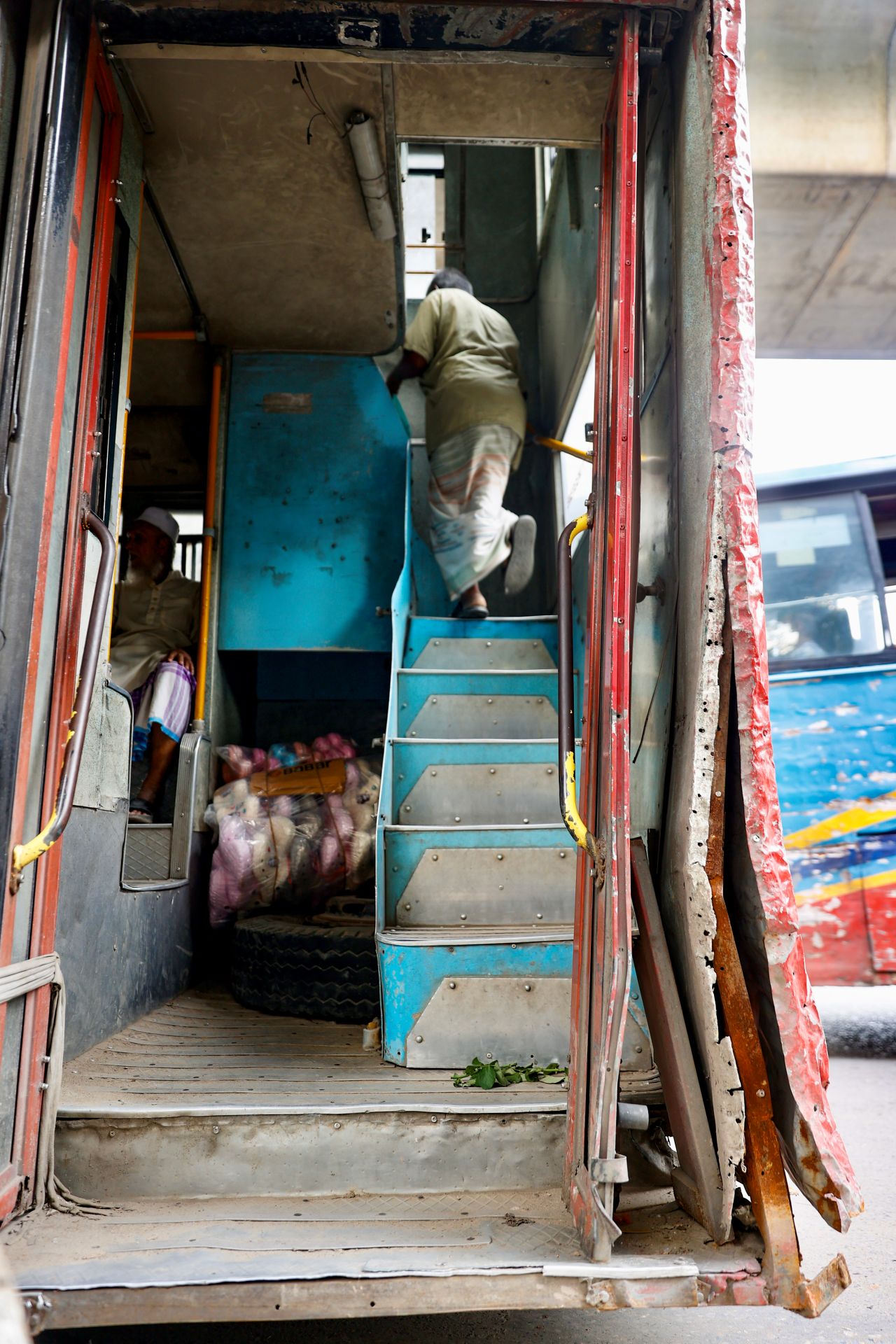
Compounding this is a severe manpower shortage. In 2020, BRTC required 3,051 drivers but employed only 2,250. This deficit forces operational buses to sit idle, accelerating their decay. Consequently, older buses remaining on the registry do not exist on the road, instead languishing for years as “spare part warehouses.”
This operational crisis is reflected in recent BRTC coordination meeting minutes. This February, active buses declined across nearly all depots, except Barishal, Bogura, and Tungipara, with over 10 per cent of the operational fleet grounded.
Furthermore, loss-making buses jumped from 45 in January to 63 in February, causing most units to miss revenue targets.
Over the past 15 years, BRTC accumulated roughly Tk 1,298 crore in debt across four procurement projects: Tk 906.54 crore from an Indian Line of Credit (LoC) and Tk 391 crore from the Nordic Development Fund and Economic Development Cooperation Fund. With a massive portion of this purchased fleet now useless, debt servicing has become a massive burden.
BRTC officials admitted as the active fleet shrinks, revenue plummets, forcing the corporation to desperately rely on its dwindling operational income just to pay off old procurement loans.
Professor Shamsul Haque emphasises that BRTC’s failure is rooted in leadership rather than infrastructure. “Public transport is a highly technical and scientific sector,” Haque noted. “However, a long-standing deficit of skilled, specialized leadership has continuously complicated the situation.”
Asked by TIMES why private companies profit and maintain fleets while BRTC cannot, BRTC Director (Operations) Md Rahenul Islam blamed financial constraints. “We do not receive any separate financial assistance from the government,” he claimed, adding, “We have to keep the buses running entirely on our own, and we simply do not have the funds required for necessary repairs.”
Compounding this, minutes of a recent BRTC coordination meeting revealed severe operational irregularities: while active buses dropped across most depots in February, loss-making vehicles jumped from 45 to 63.
Furthermore, several depots overconsumed fuel by up to 50 per cent beyond prescribed limits, prompting management to cross-verify “breakdown” logs via the Vehicle Tracking System (VTS) amid allegations that staff are intentionally grounding functional buses.
These inefficiencies raise serious questions about productivity at BRTC’s two central repair workshops.
The 14-acre Gazipur Central Repair Factory was established in 1981 with Japanese technical and financial aid for vehicle assembly, body fabrication, and heavy repairs, including assembling the Volvo double-decker fleet.
Though a Tk8 crore government loan in 2009 funded heavy repairs for 111 single and double-deckers, funding shortages forced a 2012 shutdown. Authorities state the factory was reactivated in 2021, but its output remains scrutinized. Meanwhile, the second facility, the Tejgaon central repair workshop, now limits operations to cars, jeeps, and microbuses, alongside a very nominal number of buses and trucks.