Nearly two-thirds of the candidates nominated for reserved women’s seats in the 13th National Parliamentary Election are multimillionaires and possess high educational qualifications, according to an analysis by Transparency International Bangladesh (TIB).
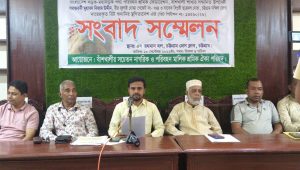
In a statement released on Thursday, TIB presented findings based on the affidavit information of 49 nominated candidates submitted to the Election Commission. The data shows that 65.31 per cent of the nominees are multimillionaires, while 63.3 per cent hold postgraduate or higher educational degrees.
Educational background
Candidates for the reserved seats appear to be more highly educated than their directly elected counterparts. While 63.3 per cent of reserved seat candidates hold postgraduate degrees, the rate among directly elected MPs stands at 50.7 per cent.
Within the reserved seat group, 27 per cent are graduates, 4.1 per cent have passed higher secondary education, and 2.1 per cent are secondary school graduates. The analysis also noted that 4.1 per cent of candidates are self-educated.

Financial status and party distribution
The analysis of assets revealed that 32 out of 49 candidates are multimillionaires based on the combined value of their movable and immovable assets. A party-wise breakdown shows that of the BNP’s 36 candidates, 26 (72.22 per cent) are multimillionaires.
For Jamaat-e-Islami, 5 out of 9 candidates (56 per cent) fall into this category. The sole nominee from JaGPa is also a multimillionaire.
While the total number of multimillionaires across the entire 13th Parliament—including general and reserved seats – is 269 (77.3 per cent), the average annual income of reserved seat candidates is lower than that of general seat MPs.




Approximately 38.78 per cent of reserved seat candidates earn more than Tk1 million annually, compared to 67.9 per cent of directly elected members.
Lawyers represent the largest professional group among the reserved seat candidates at 26.5 per cent, more than double the 11 per cent representation seen in general seats. Business is the second most common profession at 22.5 per cent.
Other backgrounds include homemakers (12.2 per cent), teachers (10.2 per cent), and doctors (4.1 per cent), while 8.2 per cent are directly involved in politics.
Assets and liabilities
The total value of assets held by multimillionaire candidates in these seats reaches Tk152 crore. Notable findings include three candidates possessing over 100 bhoris of gold ornaments, with one candidate alone holding 502 bhoris in her own name.
On the other hand, 20.41 per cent of candidates reported some form of debt or liability. This rate of indebtedness is equal for BNP and Jamaat-e-Islami candidates at 22.22 per cent, though it remains significantly lower than the 50.84 per cent indebtedness rate among directly elected MPs.
Age and demographic observations
The average age of the candidates is 52.17 years, with the largest group (32.74 per cent) aged between 45 and 54. TIB also observed a demographic trend where many women candidates possess more assets than their husbands.
Specifically, 14 candidates have more movable assets, 7 have more land, and 5 have more buildings or flats than their spouses.
TIB pointed out that while the inclusion of highly educated professionals and lawyers is a positive development, the dominance of wealth and certain professions in reserved seats reflects the same trends observed in general seats, which may have significant long-term impacts on the parliamentary process.