Bangladesh’s economy is grappling with intensifying multi-pronged pressures as the conflict in the Middle East and a volatile global energy market threaten to destabilise macroeconomic stability.
Experts warn that these external shocks, combined with internal structural vulnerabilities, pose a significant challenge to the nation’s economic health.
Dr M Masrur Reaz, chairman of the think-tank Policy Exchange Bangladesh and a former World Bank economist, told UNB that recent geopolitical tensions have sparked fresh concerns over energy security.
He highlighted that escalating military activities involving the US, Israel, and Iran are sending ripples through international markets, with analysts fearing that a prolonged conflict will lead to severe supply chain disruptions.
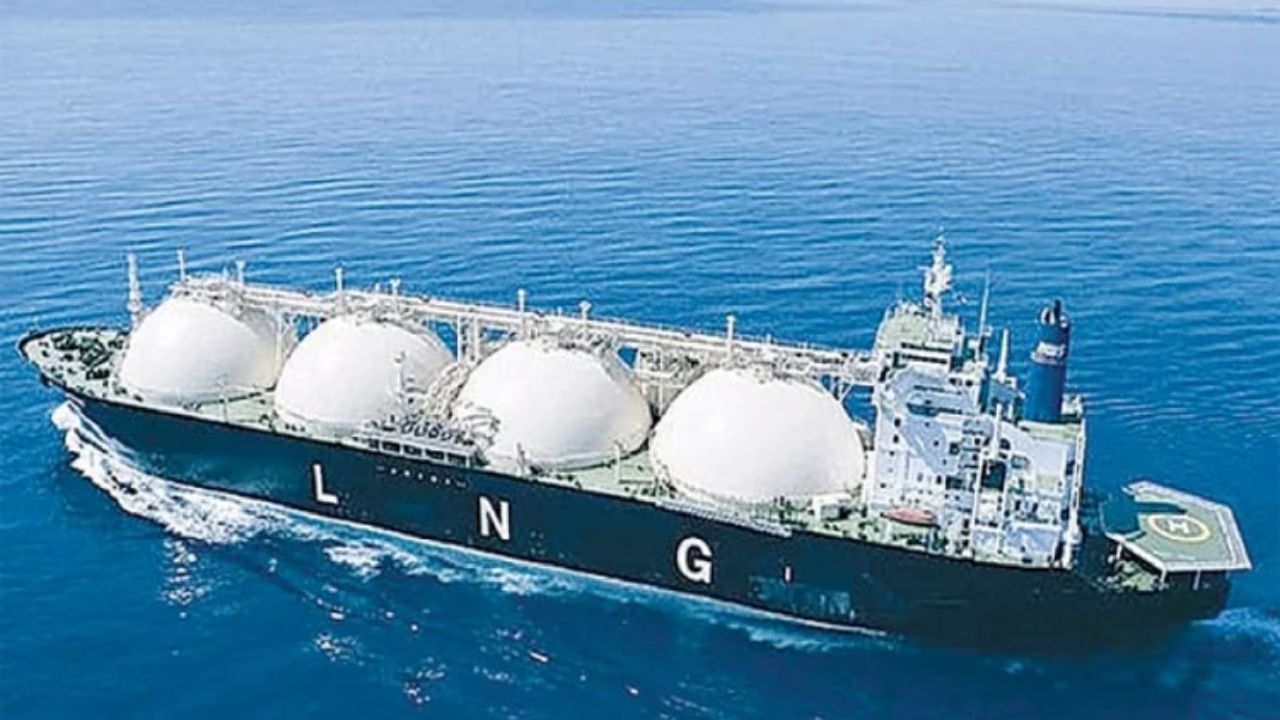
Crucially, uncertainty regarding vessel movement in the Strait of Hormuz and reports of QatarEnergy declaring “force majeure” on several long-term Liquefied Natural Gas (LNG) contracts due to production setbacks have added to the crisis.

This development threatens gas supplies to major global economies and is expected to drive up international oil and gas prices. For an import-dependent nation like Bangladesh, this results in higher transport costs and immediate inflationary pressure on essential goods.
Domestic supply concerns
On the domestic front, fuel supply has come under heavy scrutiny amid reports of long queues at petrol pumps and claims of shortages by owners.
However, the government maintains that current stocks are sufficient. Power, Energy and Mineral Resources Minister Iqbal Hasan Mahmud Tuku attributed the market pressure to “panic buying.”



He urged citizens to avoid unnecessary hoarding, assuring that the supply remains steady provided demand follows normal patterns.
Sectoral impacts and food security
Economists have warned that fuel and gas shortages will adversely affect every sector of the economy. Gas-dependent industries, such as readymade garments (RMG), textiles, cement, and fertiliser, are facing production cuts.
Such disruptions could lead to a decline in export earnings and a further depletion of foreign exchange reserves.
A scarcity of diesel and octane threatens irrigation and mechanised farming, raising concerns over reduced food production. The resulting increase in production and transport costs is expected to further drive up the cost of living.
The political landscape is also reacting to economic strain. BNP Secretary General Mirza Fakhrul Islam Alamgir warned that the Middle East war could have a devastating impact on the national economy, specifically citing the inevitable rise in oil and commodity prices.
Dr Debapriya Bhattacharya, distinguished fellow at the Centre for Policy Dialogue (CPD), described the energy and banking sectors as the “two lungs” of the economy, both of which are currently in a weakened state.
He emphasised that the government must prioritise maintaining macroeconomic stability, reforming the banking sector, ensuring energy security, and boosting private investment.
Banking sector risks
The CPD has reported a decline in private sector credit flow due to high interest rates, which has contributed to the closure of several industries and the migration of entrepreneurs, exacerbating the employment crisis.
Additionally, the banking sector remains high-risk due to a massive volume of non-performing loans (NPLs) and a lack of good governance.
To mitigate these pressures, experts suggest that Bangladesh must intensify domestic gas exploration, secure cost-effective LNG sources, and implement rigorous banking reforms.
The ability of the current administration to navigate these global and domestic hurdles remains a primary focus for the nation’s economists and business community.