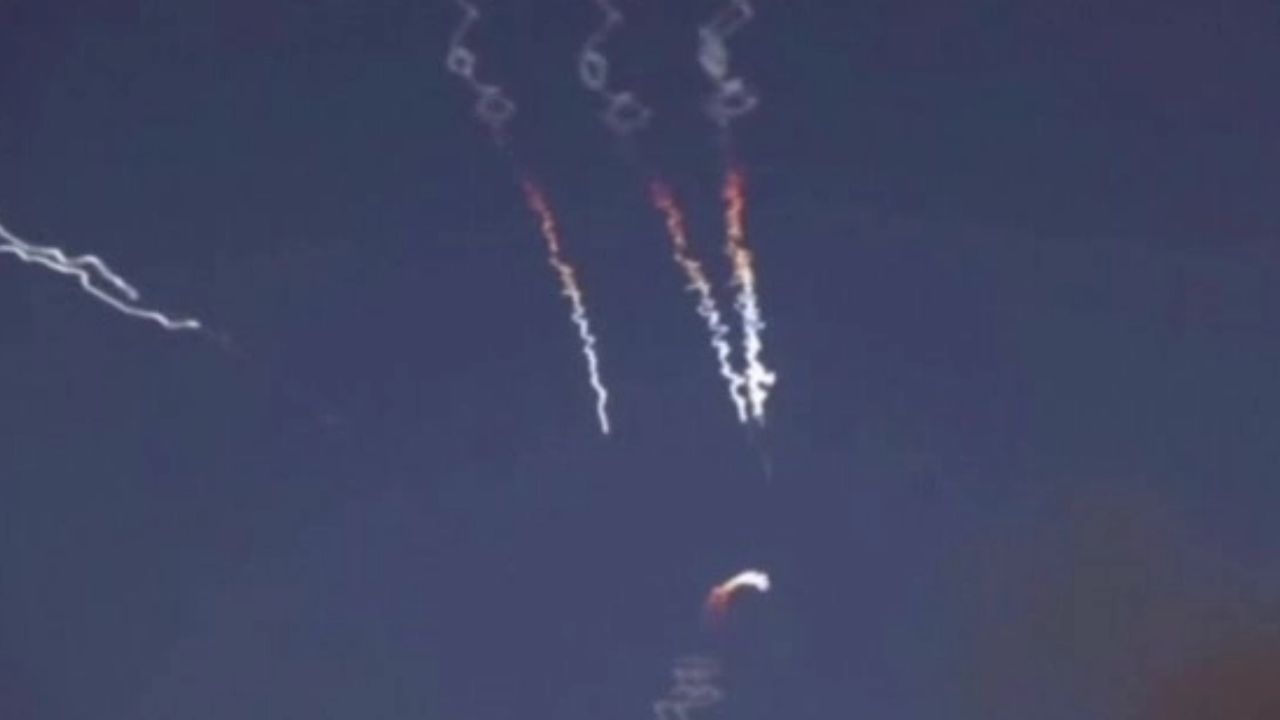

Kuwait’s army on Saturday said it detected and destroyed hostile drones in the country’s airspace, in what it described as an Iranian attack against several vital facilities.
The commander of Iran’s top joint military command has said the US actions against Iran increasingly risk igniting widespread regional conflict, warning regional countries against being “consumed by the flames of war”, reports Al Jazeera online.
The US is planning new strikes on Iran as soon as this weekend, officials said. The precise scope of the strikes and potential targets were not clear, and officials cautioned the strikes could still be called off. President Donald Trump signaled the plan Friday, saying “we’ll be hitting them very hard,” reports CNN online.
Meanwhile, Israeli strikes left a huge crater at a hospital in the Palestinian enclave less than 48 hours after Trump announced a potential breakthrough in Israel-Hamas peace efforts, casting further uncertainty on the new agreement.
US diplomatic officials have renewed their warnings to American citizens in the Middle East, saying they should exercise caution and vigilance amid heightened tensions in the region.

Iran has issued another warning to Gulf states that host American military bases, with Major General Ali Abdollahi threatening that nations cooperating with the US “will burn in the fires of war.”
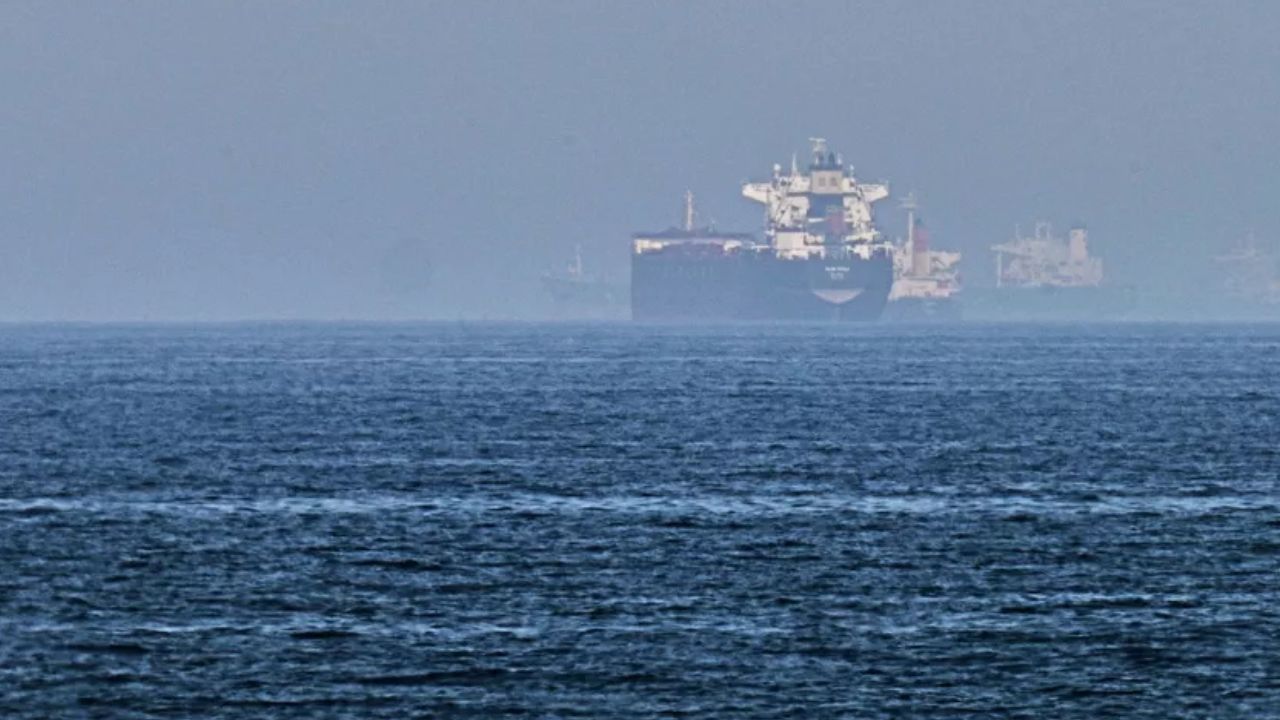
A tanker was hit by “an unknown projectile” near the entrance of the Strait of Hormuz off the coast of Oman, the UK Maritime Trade Operations (UKMTO) reported.
An Israeli drone strike has struck the town of Nabatieh al-Fawqa in southern Lebanon, according to our colleagues at Al Jazeera Arabic.

Israeli forces have continued to conduct attacks as they occupy parts of southern Lebanon despite a US-brokered “ceasefire” agreement.
Earlier, Lebanon’s National News Agency (NNA) said southern villages and towns, particularly those in and near the Israeli-imposed “Yellow Zone”, including al-Mansouri, Majdal Zoun, and Haddatha, are in a state of high tension following huge explosions carried out by Israeli forces overnight.
The blasts resonated across the entire southern region from after midnight through this morning, it added.
Iran’s First Vice-president Mohammad Reza Aref has been quoted by the semi-official Fars news agency as saying that the country is preparing supplies for the next two years, without elaborating on the types of supplies.
The official said maintaining peace among the people would continue to be the main priority and that the government was planning “even for the worst conditions”.
Iranian Kurdish opposition parties have been on high alert since the United States-Israel strikes on Iran began on 28 February. Their bases in the semi-autonomous Kurdish Region of Iraq and inside Iran itself have been thrust onto the front lines of the war.
The possibility of Iranian Kurdish fighters entering the conflict to topple the Iranian government has also been widely discussed.
Both US President Donald Trump and Israel have suggested that arming these fighters could tip the balance of power inside Iran, where Kurds make up about 10 per cent of the population.
Several leaders of these parties have told Al Jazeera they command military formations and organisational structures inside Kurdish areas in Iran, in addition to headquarters and bases in the Kurdish region of northern Iraq.
Kurdish groups from both sides of the border flourished after Iraq’s defeat in the 1990-1991 Gulf War led to the creation of a no-fly zone in northern Iraq and self-rule by the Kurdistan Regional Government.