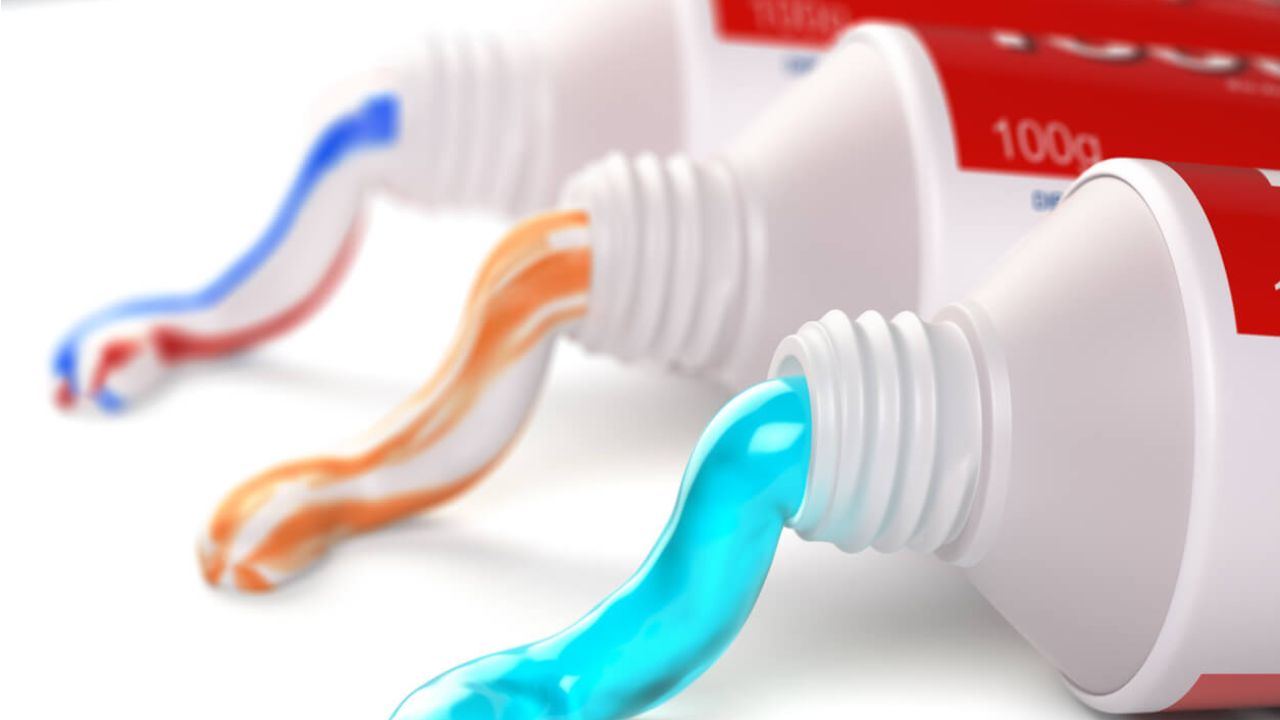



An estimated three out of every four toothpaste products sold in Bangladesh contain microplastics, according to a year-long study conducted by the Environment and Social Development Organization (ESDO).
The study found microplastics in 26 out of 34 toothpaste samples collected from 19 brands available in the local market, representing 76.5 per cent of the samples tested.
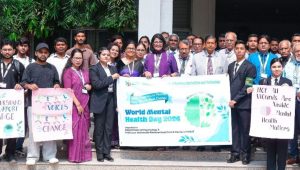
ESDO unveiled the findings of its study, titled “Microplastics in Toothpaste”, at a press conference held at its office in Lalmatia, Dhaka, on Sunday.
According to the organisation, microplastic particles were detected in 22 of the 25 toothpaste samples manufactured in Bangladesh, both of the two samples imported from Vietnam, one of the two samples from Thailand, and one of the five samples imported from India.
As part of the study, conducted between July 2025 and June 2026, researchers collected 34 toothpaste samples from 19 local and imported brands from supermarkets, retail outlets and wholesale markets across the country.

The samples were analysed at the Environmental Health and Ecotoxicology (EHE) Laboratory under the Department of Environmental Sciences at Jahangirnagar University.
ESDO also carried out a consumer survey involving 2,760 respondents nationwide.




The report states that microplastics released from toothpaste can spread into the environment and eventually enter the human body through food and drinking water.
It notes that various international studies have linked exposure to microplastics with potential risks to the respiratory, digestive, immune, cardiovascular, nervous and reproductive systems, although further research is required to establish these effects conclusively.
The study detected between 20 and 320 microplastic particles per 100 grams of toothpaste. The highest concentration, 320 particles, was found in Mediplus Fluoride Gel.
Other products found to contain microplastics included Closeup Red Hot and Closeup Menthol Fresh (160 particles each), Kodomo Ultra Shield Formula (140), Signal Green Tea (120), Pepsodent Advance Salt and Himalaya Complete Care (100 each), and Sensodyne Fresh Mint (80). By contrast, no detectable microplastics were found in eight samples, including Zenfresh, Parachute Just for Baby (Mango) and Closeup Red Hot Zinc Fresh Technology.
Among six toothpaste products marketed for children, four (66.7 per cent) contained microplastics. The study found between 20 and 140 particles per 100 grams in these products.
Kodomo Ultra Shield Formula contained the highest level, with 140 particles, followed by Meril Baby Strawberry (60), Meril Baby Orange (40) and Pepsodent Kids Orange (20). No detectable microplastics were found in Parachute Just for Baby or Kodomo Orange.
The study also found that none of the toothpaste packaging or product labels disclosed the presence of microplastics or the synthetic polymers used in their manufacture.
According to ESDO, this prevents consumers from making informed purchasing decisions and makes regulatory oversight more difficult.
Speaking at the press conference, ESDO Secretary General and Senior Technical Adviser Shahriar Hossain said all samples had been collected directly from supermarkets and retail outlets, ensuring that counterfeit or adulterated products were not included in the study.
The consumer survey found that public awareness of microplastics in toothpaste remains limited. Around 41.9 per cent of respondents said they had never previously heard of microplastics in toothpaste, while 31.3 per cent said they had heard of the issue but knew little about it. Only 26.9 per cent said they were aware of the issue.