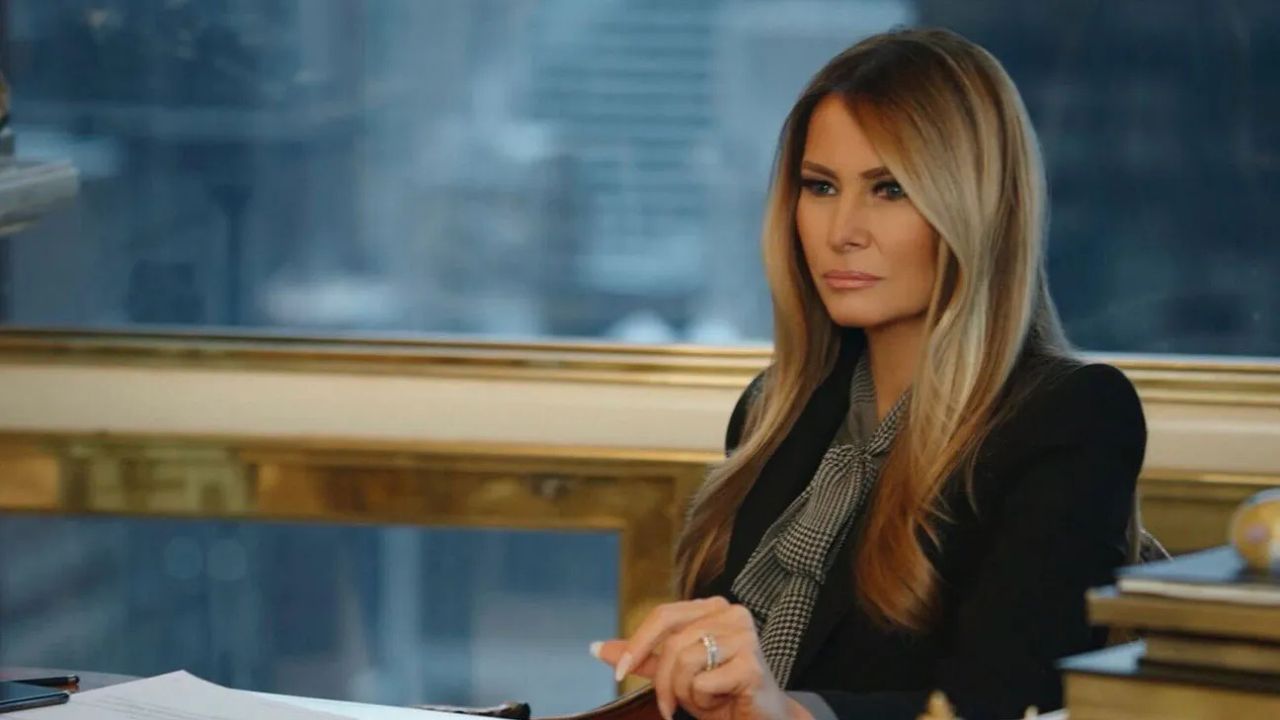

Melania Trump’s documentary, Melania: 20 Days to History, has stunned industry analysts by earning an estimated $8 million to $9 million on its opening day in North America.
Despite early predictions that the film would be a failure, the production – which has been labelled the most expensive documentary in history – is currently on track to secure third place at the box office, behind only Send Help and Iron Lung.
The film’s momentum was bolstered by a high-profile premiere at the Kennedy Center, attended by both the First Lady and President Donald Trump, who has actively encouraged his supporters to see the film.
A glimpse into the life of Melania
Co-produced by Melania Trump and director Brett Ratner, the documentary promises an intimate look at her life in the days leading up to the January 2025 inauguration.

Much of the footage captures her in transit between Trump Tower in New York and Mar-a-Lago in Florida, or engaged in meetings regarding fabric samples and interior décor.
While some critics have found the content unsatisfying, the film offers rare moments of candour, particularly regarding the death of her mother, Amalija Knavs, whom she describes as the “richest thread” of her life.




The First Lady is also seen interacting with her inner circle, including French First Lady Brigitte Macron and stylist Hervé Pierre, though her son, Barron Trump, appears only fleetingly and seems to avoid the cameras.
Financial scrutiny, political controversy
The project has faced significant backlash regarding its funding and timing.
Amazon MGM Studios reportedly paid $40 million for the rights to the film and spent a further $35 million on global marketing, an investment that critics and watchdogs have questioned as a potential attempt to curry favour with the White House. The release has also been criticised as insensitive, coinciding with mass protests in Minneapolis following two fatal shootings by federal agents.
While a private screening at the White House was attended by figures such as Apple CEO Tim Cook, protesters in Los Angeles have vandalised advertisements for the film, and review websites have been hit by “review-bombing” from detractors.
A polarising reception
The reception of the documentary remains strictly divided along political lines. In cinemas outside Washington DC, audiences in American flag attire have cheered the film, while international markets have shown more hesitation.
The documentary was removed from the release schedule in South Africa, and reports from Europe indicate many screenings have remained empty.
Within the film, Melania Trump largely avoids political commentary or specific policy goals, instead focusing on the personal toll of her public role.
She describes the position of First Lady as a “structured” existence requiring immense mental strength, ultimately concluding that the “real nobility” of the role is the personal growth it demands.