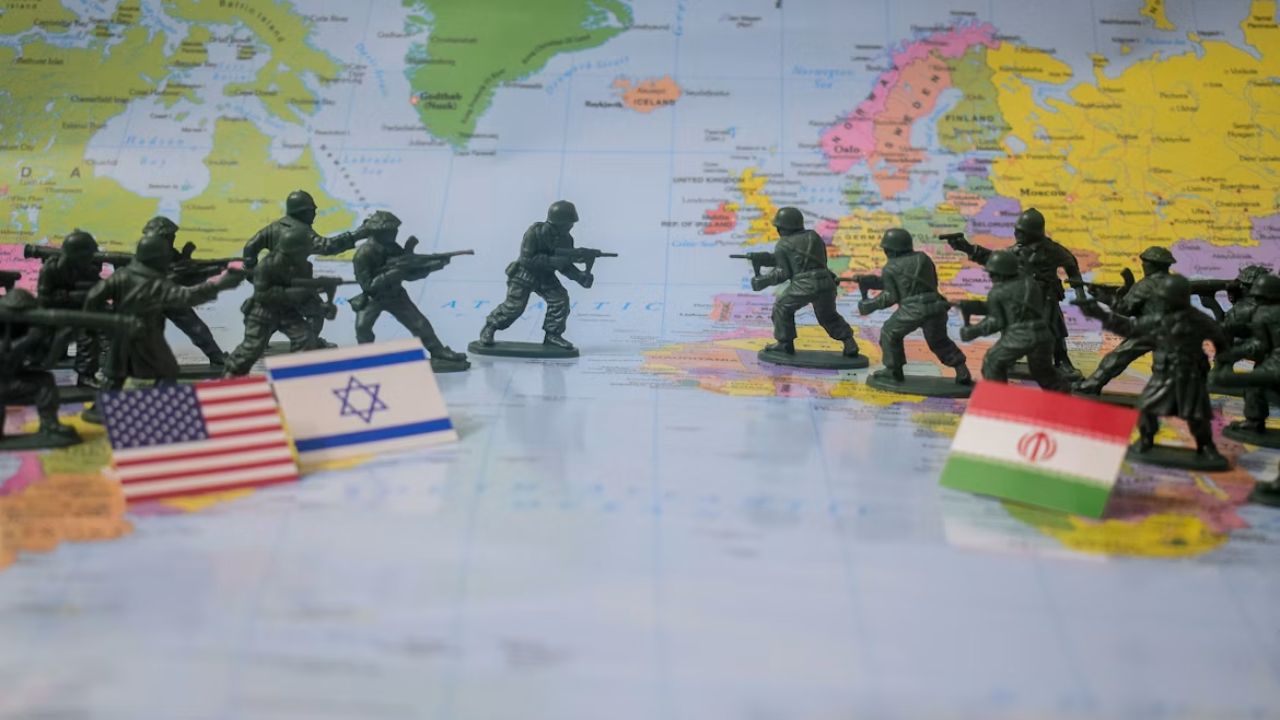



Diplomatic efforts to prevent an all-out war between the United States and Iran are showing signs of progress, two regional officials said on Monday, as a lull in hostilities entered its third consecutive day following roughly a fortnight of intense bombardments across the Middle East, according to AP.
Neither Washington nor Tehran has reported launching strikes since the weekend, offering a rare respite after an escalation triggered by Iranian attacks on vessels transiting the Strait of Hormuz, one of the world’s most critical oil shipping routes.
Mediation is being led by Qatar and Pakistan, who are attempting to narrow the gap between the two governments and restore an interim ceasefire arrangement agreed in mid-June that had since been badly eroded by renewed exchanges of fire.
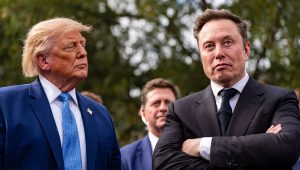
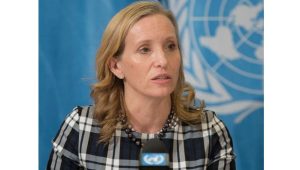
US Ambassador to the United Nations Mike Waltz indicated that President Donald Trump was deliberately allowing space for negotiations to develop, telling a broadcaster that the president was giving the diplomatic track room to breathe.

Waltz rejected suggestions that American stockpiles of missile interceptors, essential to shielding against Iranian retaliation, were becoming depleted, although analysts continue to question how long either side can sustain the confrontation.
Tehran’s military said it had likewise refrained from action for two nights running, mirroring the American pause. In recent days, however, Iran had struck back at nations hosting US forces in the region, killing three American service members at a Jordanian base and one more in Iraq.
One of the regional officials described the headway made in talks as substantial, noting that mediators were working alongside Iran and Oman to establish a system for regulating vessel movement through Hormuz, the flashpoint of the latest confrontation.




Iran’s foreign ministry spokesman Esmail Baghaei told reporters in Tehran that intermediaries were passing messages between the two sides but that no direct talks with Washington were under way.
He confirmed Iran had held discussions with Oman, situated on the opposite shore of the strait, on Friday and Saturday concerning safe navigation arrangements, while insisting the waterway remained closed to traffic.
Tehran maintains that the interim accord permits it to oversee shipping through the channel and has objected to American backing for an alternative route running near Omani waters — a passage that had been treated as international before the conflict began.
The US Navy said its reinstated blockade against Iran was continuing, with a maritime body it oversees reporting that twelve commercial vessels had been rerouted, two immobilised and two boarded over recent days, while confirming no fresh attacks in the preceding 72 hours.
Traffic through Hormuz has fallen to its lowest level in three weeks, even as flows through the Bab el-Mandeb strait to the Red Sea stayed steady.
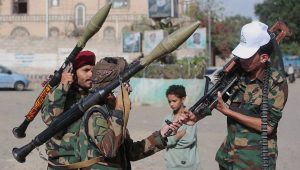
Concerns persist over that waterway nonetheless, after Iranian-backed Houthi fighters in Yemen threatened to blockade Saudi shipping and set a Saudi tanker ablaze last week. Petrol prices have climbed again amid the uncertainty over global energy supplies.
Israeli Prime Minister Benjamin Netanyahu is due to travel to Washington on Tuesday for talks with Trump, his office said, their first meeting since February, shortly before the pair launched the war on Iran that left senior figures including Supreme Leader Ali Khamenei dead.
Hezbollah’s intervention against Israel days after that war began prompted Israeli strikes and a ground campaign in southern Lebanon, a front the US has since sought to calm through direct Lebanese-Israeli talks.
Separately, Baghaei condemned Ukrainian President Volodymyr Zelensky over a weekend strike on vessels in the Caspian Sea allegedly linked to Iranian military cargo. Iran’s foreign minister said the attack, which killed a sailor, had been raised with EU and Russian counterparts and would not go unanswered.