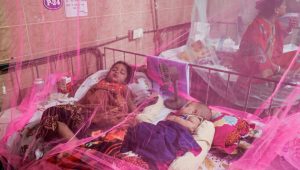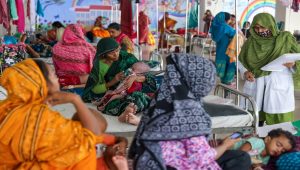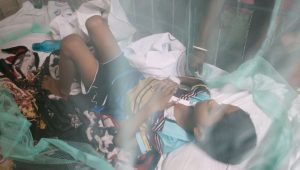




Amid intense heat in Chattogram, measles-related pneumonia cases among children have risen alarmingly, placing significant pressure on the public health system.
Throughout April, hospitals have seen a surge in paediatric admissions, while an increase in pneumonia-related deaths has caused concern among parents.
According to data from the Chattogram Civil Surgeon’s Office, there is no shortage of pneumococcal vaccines (PCV) or measles-rubella (MR) vaccines in the district.
But a large proportion of children remain unvaccinated, increasing the risk of infection spread. Health officials said that most children admitted to hospital or who have died from pneumonia had not completed their vaccinations.
This trend is particularly noticeable among children coming from areas outside the city. Doctors say that ensuring timely vaccination according to the Expanded Programme on Immunisation (EPI) schedule could prevent many severe complications of pneumonia.

Chattogram Civil Surgeon Dr Jahangir Alam said that approximately 700,000 children are targeted for MR vaccination, with about 200,000 already covered, and that the vaccination programme is ongoing.
There are still significant limitations in identifying the viruses or co-infections (especially measles) behind pneumonia cases in Chattogram. Samples from suspected measles cases have to be sent to Dhaka for testing, leading to delays in obtaining confirmed results.
This, in turn, delays diagnosis and treatment. Although a specialised hospital in Faujdarhat has laboratory infrastructure, testing has not yet been officially launched due to a shortage of necessary kits.


Officials say that testing could begin quickly if kits are supplied. At present, a limited number of private institutions in Chattogram — including Chevron, Parkview and Max Hospital — are conducting PCR-based tests to detect viruses.
While these facilities provide faster results, their high cost makes them inaccessible for many people. As a result, expanding testing capacity at the government level has become urgent.
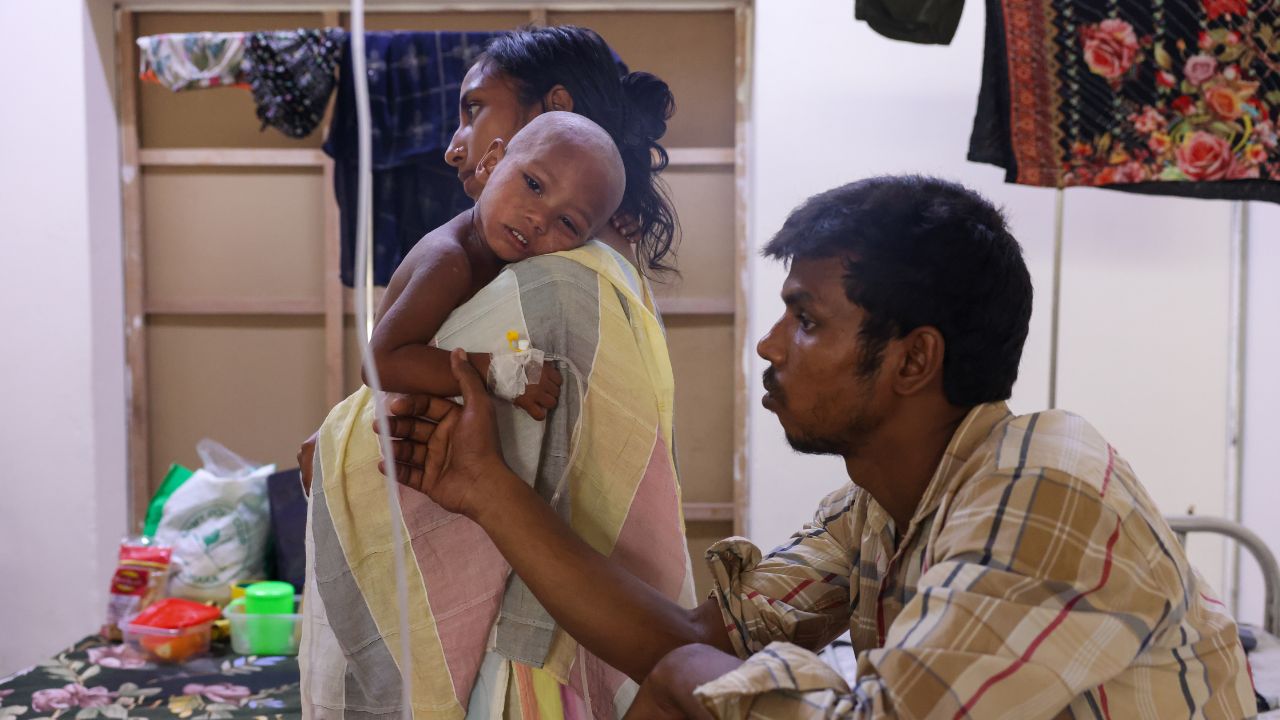
The paediatric department at Chattogram Medical College Hospital is under severe pressure due to the influx of pneumonia cases. In the first 26 days of April, 275 children with measles-like symptoms were admitted, of whom 30 died from pneumonia-related complications.
However, according to the Civil Surgeon’s data, one death from measles has been reported in the district and 20 in the division.
Currently, there are 629 suspected measles cases in the district, with 193 patients receiving hospital treatment. Due to a shortage of beds, the hospital’s ‘measles corner’ has been relocated to a former COVID-19 ward. Of the hospital’s 20 ICU beds, 15 are allocated for children, but this remains insufficient compared to patient demand.
Doctors are struggling to provide adequate paediatric intensive care support for critically ill children.
Public health experts say the current situation in Chattogram highlights a clear issue: while vaccine supply is available, coverage remains low. The core problem lies not in supply but in effective field-level implementation and lack of awareness.
At the same time, the absence of rapid testing facilities is delaying diagnosis, making it harder to control the spread of infection. Delays in identifying measles-related pneumonia, in particular, are leading to more severe cases.
Experts stress that three urgent steps are needed: strengthening door-to-door vaccination efforts, introducing rapid government testing facilities within Chattogram, and increasing hospital treatment capacity for children.
Doctors have urged parents to seek medical attention promptly if children develop fever, cough, breathing difficulties, or skin rashes. Ensuring timely vaccination, they say, may be the most effective way to tackle this crisis.