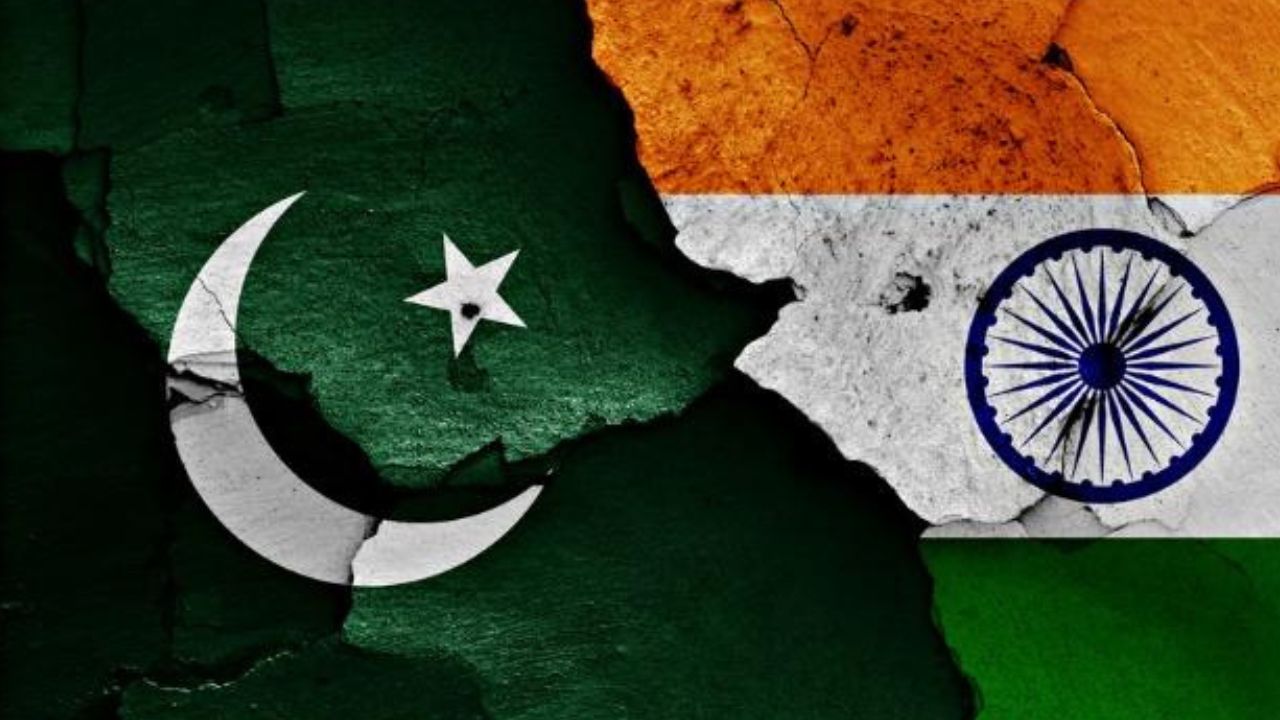



The Makkah Joint Defence Agreement between Saudi Arabia, Türkiye and Pakistan could reshape the India-Pakistan security equation by strengthening Islamabad’s deterrence against New Delhi and raising the potential costs of any future military confrontation between the two rivals.
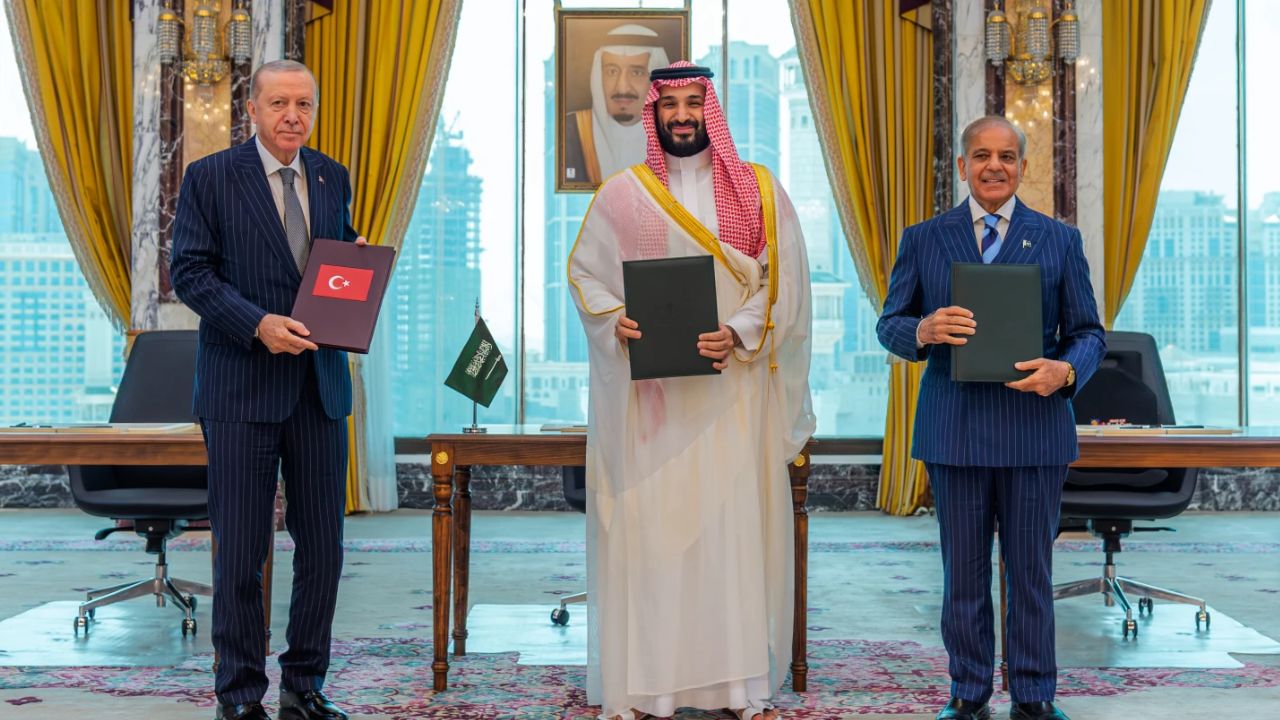
Signed in Makkah on Friday, the agreement stipulates that an armed attack against any of the countries will be regarded as an attack against all three. In practical terms, an Indian attack on Pakistan could potentially draw support from Saudi Arabia and Türkiye, although the agreement does not specify the nature or extent of such assistance.
India is closely watching the development.
Asked about the agreement during a weekly media briefing on Friday, Indian Foreign Ministry spokesperson Randhir Jaiswal said, “This is also a development that we are closely following, and we shall keep you updated.”
Security analysts believe the pact could have a deterrent effect in South Asia by raising the potential costs of military confrontation between India and Pakistan. A stronger deterrence framework, they argue, could also contribute to greater stability and create strategic space for smaller states such as Bangladesh.
Rear Admiral (retd) and former secretary of the Maritime Affairs Unit at the Ministry of Foreign Affairs Md Khorshed Alam said the agreement would have implications for South Asia and beyond.

“The Makkah deal has an impact in South Asia and beyond,” he said, describing it as a “strategic win” for Pakistan because of its potential to strengthen deterrence against India.
From two-and-a-half to three fronts?
The agreement could also complicate India’s existing strategic calculations.
The “two-and-a-half-front war” is a worst-case military planning concept in India that envisages simultaneous conventional conflict with China and Pakistan while dealing with a third, lower-intensity internal security threat.
Analysts say the new pact could force Indian planners to consider the possibility of a broader security challenge involving Pakistan’s new partners, potentially prompting greater defence preparedness and expenditure.




Such a development, however, could also fuel an arms race in the region if countries respond to the new security arrangement by expanding their military capabilities.
The Makkah agreement contains language broadly resembling Article 5 of the North Atlantic Treaty, under which an armed attack against one Nato member is considered an attack against all.
Scope remains unclear
Despite its strong political messaging, questions remain over how the agreement would work in practice.
A joint statement issued after the signing said the pact aims “to strengthen collective deterrence against any act of aggression” and stipulates that an armed attack against any one of the three states will be regarded as an attack against all.
However, the statement did not spell out the specific military obligations of each member or clarify whether an attack would automatically trigger direct military intervention.
Former ambassador Abdul Hye said such a provision is common in defence agreements.
“The provision remains in general terms in every such defence pact,” he said.
Nevertheless, he said the agreement could provide immediate deterrence while creating opportunities for intelligence sharing during peacetime, as well as for military equipment, technical assistance and advice if one member comes under attack.
“Full-scale military engagement is normally a remote option,” he added.
A new strategic reality
The agreement is being viewed primarily as a diplomatic and strategic move, with its credibility likely to be tested by future regional crises.
Its practical significance could become clearer if Saudi Arabia faces a major military threat, including from regional actors such as the Houthis or Iran.
Former ambassador Mehdi Hasan described the agreement as a major diplomatic gain for Pakistan.
“It is a huge diplomatic win for Pakistan. Its diplomatic leverage will widen and deepen not only in the Middle East but beyond,” he said.
Pakistan and Saudi Arabia had already announced plans for closer defence cooperation, while Pakistan’s longstanding tensions with India escalated into open conflict in May 2025. The trilateral arrangement with Türkiye now adds another layer to Pakistan’s strategic partnerships.
For South Asia, analysts say the immediate significance of the Makkah pact may lie less in the prospect of direct military intervention and more in its deterrent value. If it succeeds in raising the political and military costs of future conflict, smaller countries in the region could benefit from a more stable regional security environment.