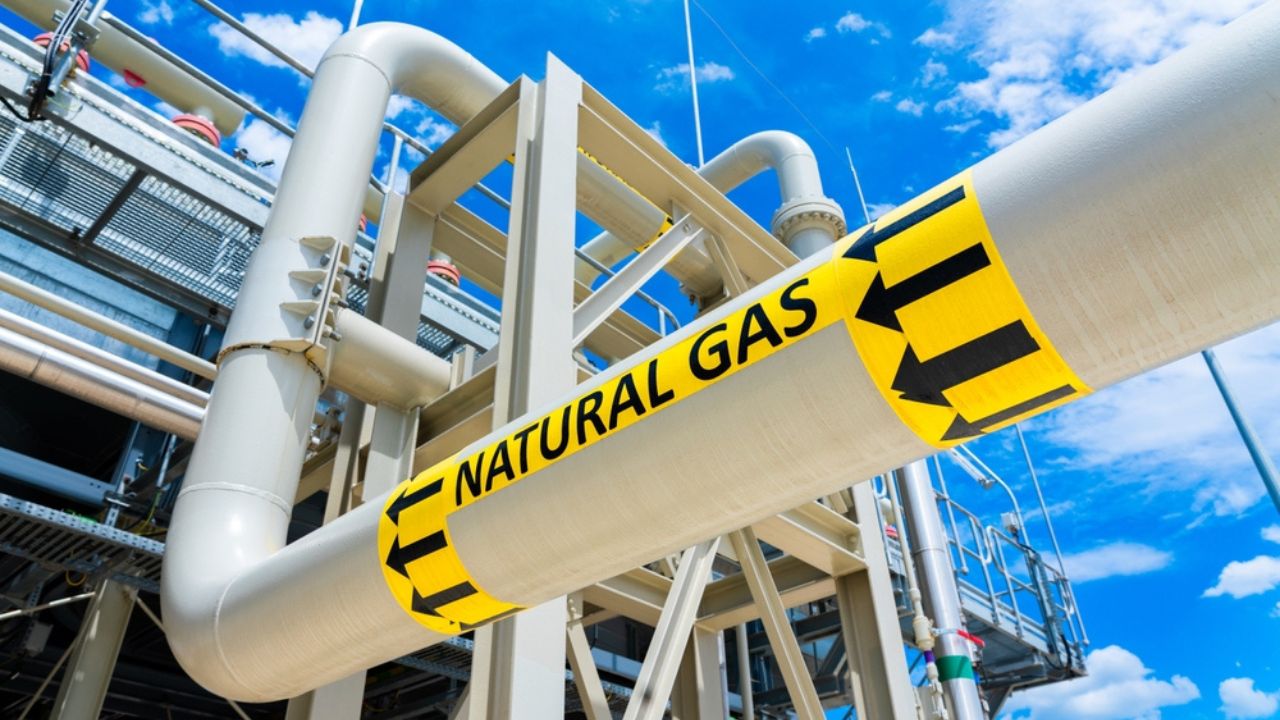



Gas supply to Chattogram has dropped sharply after adverse weather prevented an LNG cargo from berthing at the Maheshkhali terminal, further deepening the gas crisis in the port city.
Supply from the two floating LNG terminals at Maheshkhali has fallen to just over half of their combined normal capacity, leaving Chattogram with only about 45 per cent of its daily gas requirement.
The reduced supply has affected households, CNG filling stations and industrial units across Chattogram and adjoining areas. To protect household consumers, Karnaphuli Gas Distribution Company Limited (KGDCL) has begun reducing gas supplies to some industrial establishments.
Deputy General Manager (LNG) of Rupantarita Prakritik Gas Company Limited (RPGCL) Mohammad Nasir Uddin told TIMES that the two Maheshkhali terminals were supplying around 400 million cubic feet (mmcfd) of gas to the national grid on Wednesday.
Of the total, the Excelerate Energy terminal was supplying 300 mmcfd, while Summit LNG was supplying around 100 mmcfd.
Nasir Uddin said an LNG cargo was ready for the Summit terminal but could not be berthed due to adverse weather conditions at sea. “Once the weather improves and the cargo is unloaded, gas supply from the Summit terminal will increase,” he said.

The Excelerate Energy terminal is also operating below full capacity due to maintenance work. Of its two boilers required for regasification, only one is currently operational.
According to RPGCL, the terminal can supply around 300 mmcfd with one boiler. Once the second boiler becomes operational, its supply can rise by another 300 mmcfd to reach its full capacity of 600 mmcfd.
The combined regasification capacity of the two Maheshkhali floating LNG terminals is 1,100 mmcfd. Excelerate Energy has a capacity of 600 mmcfd, while Summit LNG can regasify up to 500 mmcfd.




Nasir Uddin said LNG cannot normally be imported and stored at the terminal for future use. After a cargo arrives, it is unloaded and sent directly into the supply system.
He expressed hope that the situation would improve once weather conditions become favourable and new LNG cargoes can be unloaded.
Meanwhile, the decline in national grid supply has affected Chattogram, which relies heavily on LNG for its gas supply.
KGDCL General Manager (Engineering Services Division) Tazuddin Dhali said the company received only around 210 mmcfd from the national grid on Wednesday morning, with supply falling further to around 192–194 mmcfd by noon.
He said normal gas supply to KGDCL areas was around 240 mmcfd before the major disruption that began on 21
July following an incident at the Summit LNG terminal.
Although supply improved after subsequent maintenance work, it remained below demand. On 11 August, supply ranged between 200 mmcfd and 235 mmcfd. The fresh disruption on Wednesday put further pressure on the distribution system.
KGDCL has taken measures to reduce gas supplies to some industrial customers to maintain supplies to households and CNG filling stations.
“To prevent household customers from suffering severely, measures are being taken to temporarily reduce and balance gas supplies to some industrial establishments,” Tazuddin Dhali said.
He said the timing of a return to normal supply depends largely on the unloading of LNG cargoes at Maheshkhali and the availability of gas in the national grid. The situation could improve by Saturday if weather conditions become favourable, although there is no certainty.
According to KGDCL, daily gas demand in Chattogram ranges between 312 mmcfd and 350 mmcfd. Fertiliser factories consume around 90–100 mmcfd, power plants around 40 mmcfd and CNG filling stations around 19 mmcfd.
The remainder is supplied to residential, commercial and industrial consumers.
Industrial users include steel, glass, cement, shipbreaking, corrugated iron and garment factories.
The renewed gas shortage is putting additional pressure on industries already operating below capacity, while households and CNG consumers are also facing reduced pressure and longer queues at filling stations.
Petrobangla sources said the technical teams concerned are ready to resume operations once weather conditions permit. They expect LNG supply to increase after the pending cargoes can be berthed and unloaded.