At dawn on March 2, 2026, the skies over southern Lebanon lit up with the sound of Israeli airstrikes, marking the beginning of one of the most intense confrontations between Israel and Hezbollah in recent years. What started as retaliatory strikes after Hezbollah fired rockets into Israel soon grew into a full-scale military campaign. It pushed Lebanon into a deep humanitarian and political crisis.
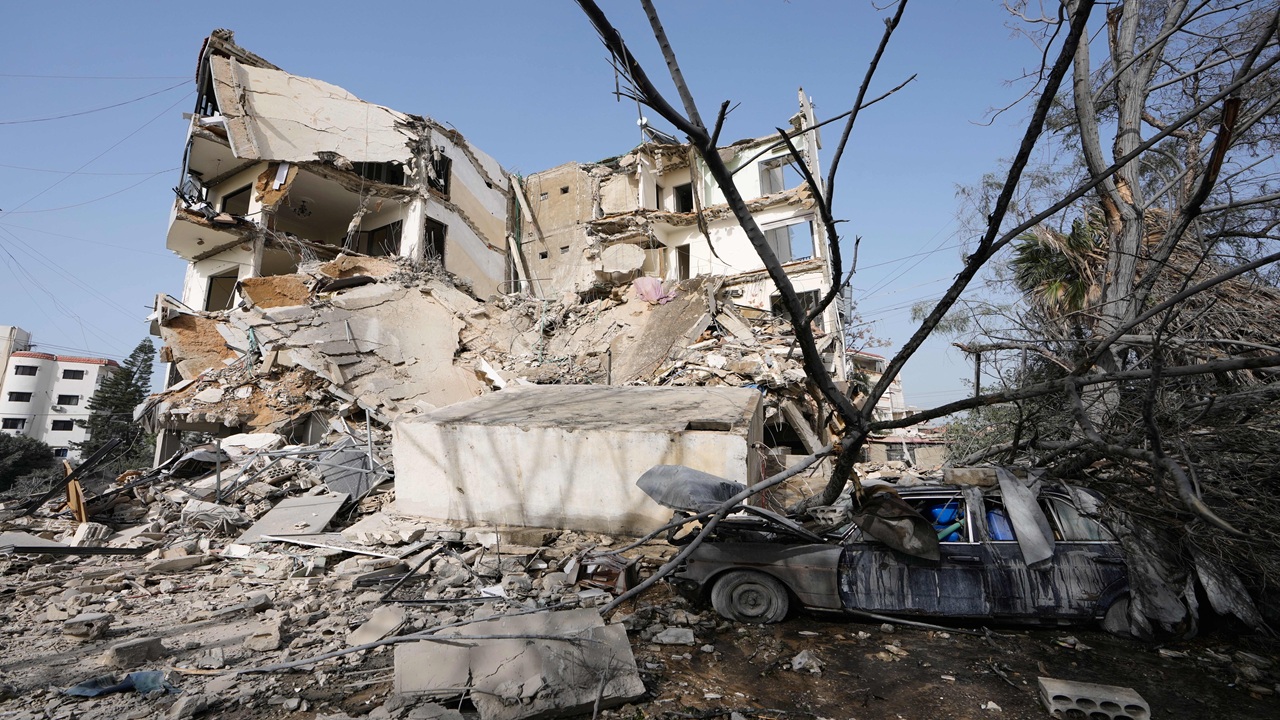
Since March 2, Israeli forces have carried out continuous airstrikes and a ground invasion in southern Lebanon, targeting Hezbollah positions and infrastructure. Within the first day of attacks, at least 31 people were killed and nearly 150 injured in Beirut’s southern suburbs and southern regions.
The violence escalated rapidly over the following weeks. By early April 2026, more than 1,500 people had been killed and over 4,800 injured in Lebanon, while over 1.2 million civilians were forced to flee their homes, making it one of the largest displacement crises in the country’s recent history. Entire towns in Nabatieh, Tyre, and border villages were left heavily damaged, with homes, roads, and hospitals destroyed or abandoned.

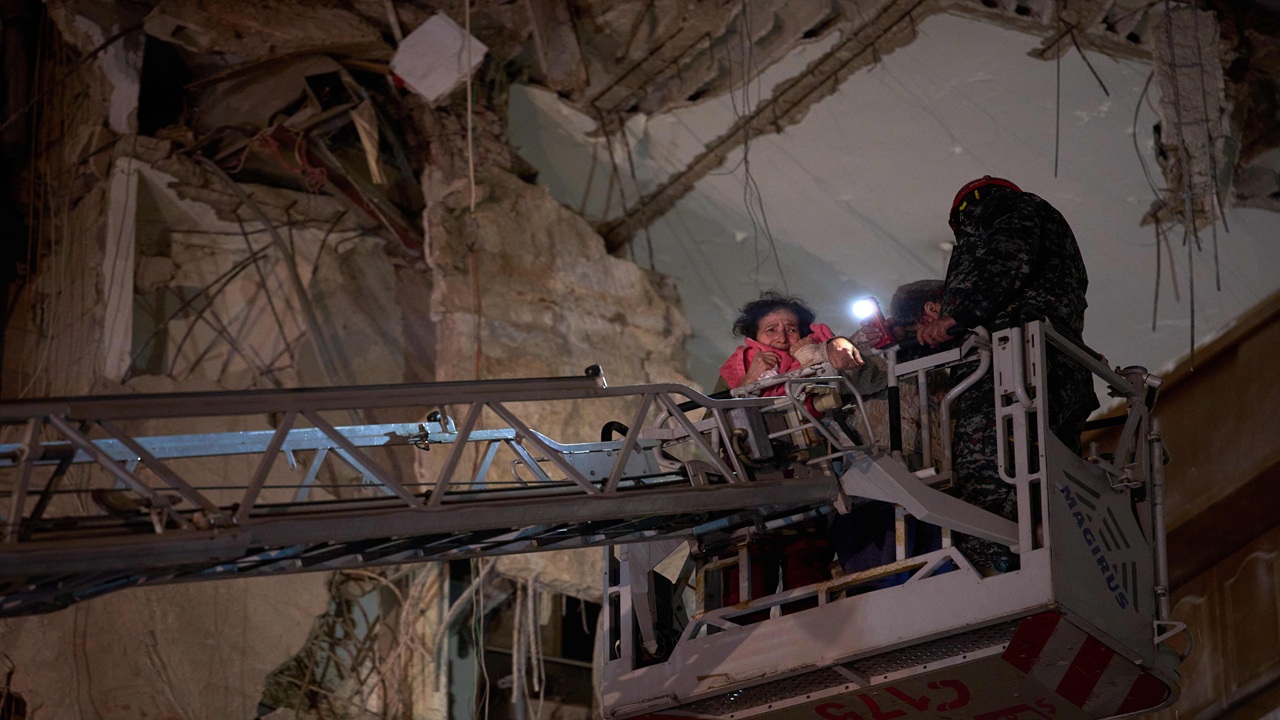
Several deadly incidents highlighted the scale of destruction. On March 12, an Israeli drone strike hit the Ramlet al-Baida seafront in Beirut, killing at least eight displaced civilians and injuring more than 30 in what witnesses described as a double-tap attack on people sheltering near the beach.

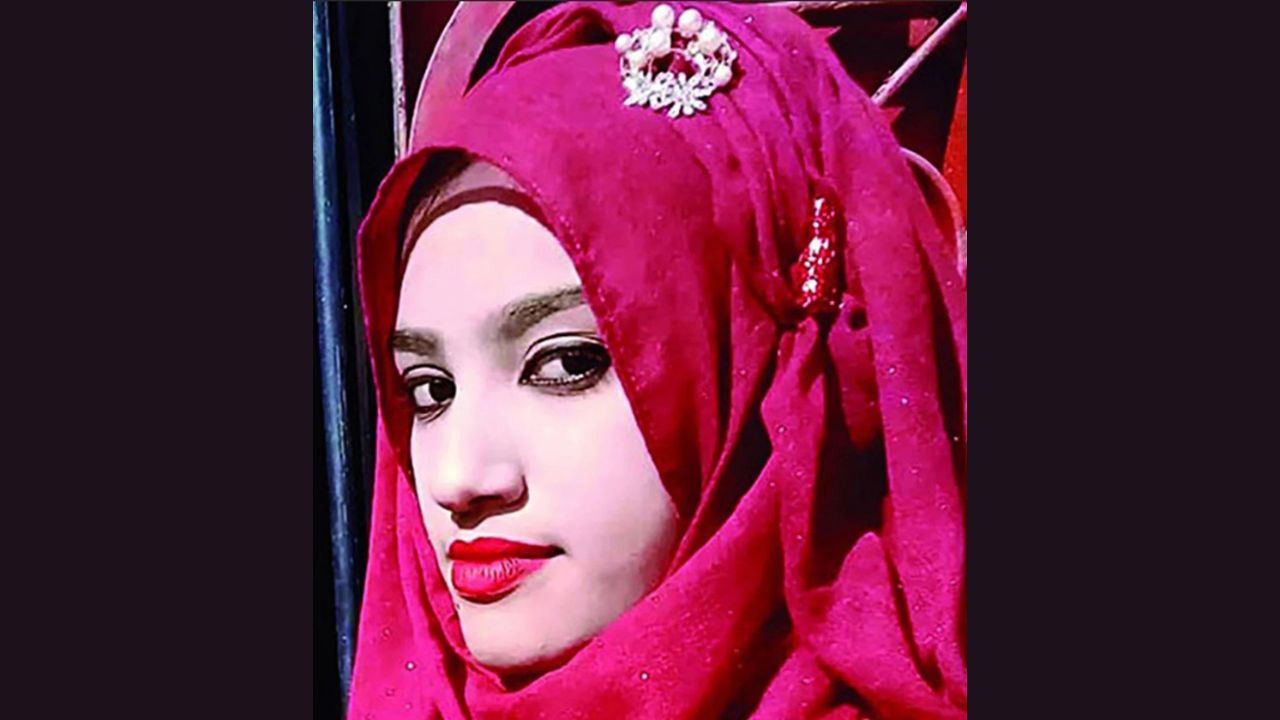


On March 9, an Israeli tank strike killed Maronite priest Pierre al-Rahi in southern Lebanon, showing how the conflict was affecting both Muslim and Christian communities.
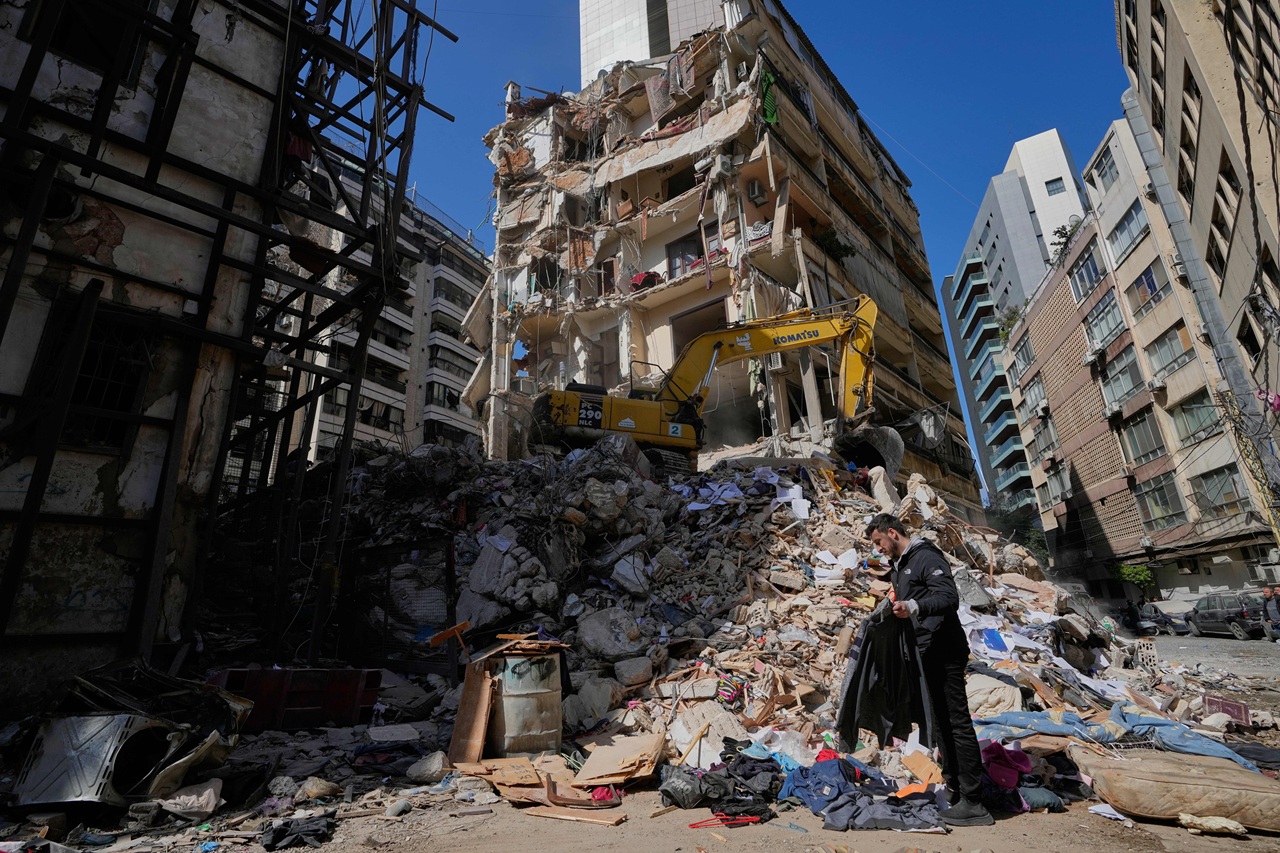
The war intensified again on April 8, when Israel launched its largest airstrikes against Hezbollah infrastructure since the conflict began, despite ongoing ceasefire discussions related to the wider Iran-Israel tensions. Israeli officials stated that operations in Lebanon would continue because the ceasefire with Iran did not apply to Hezbollah, leaving civilians trapped in uncertainty.
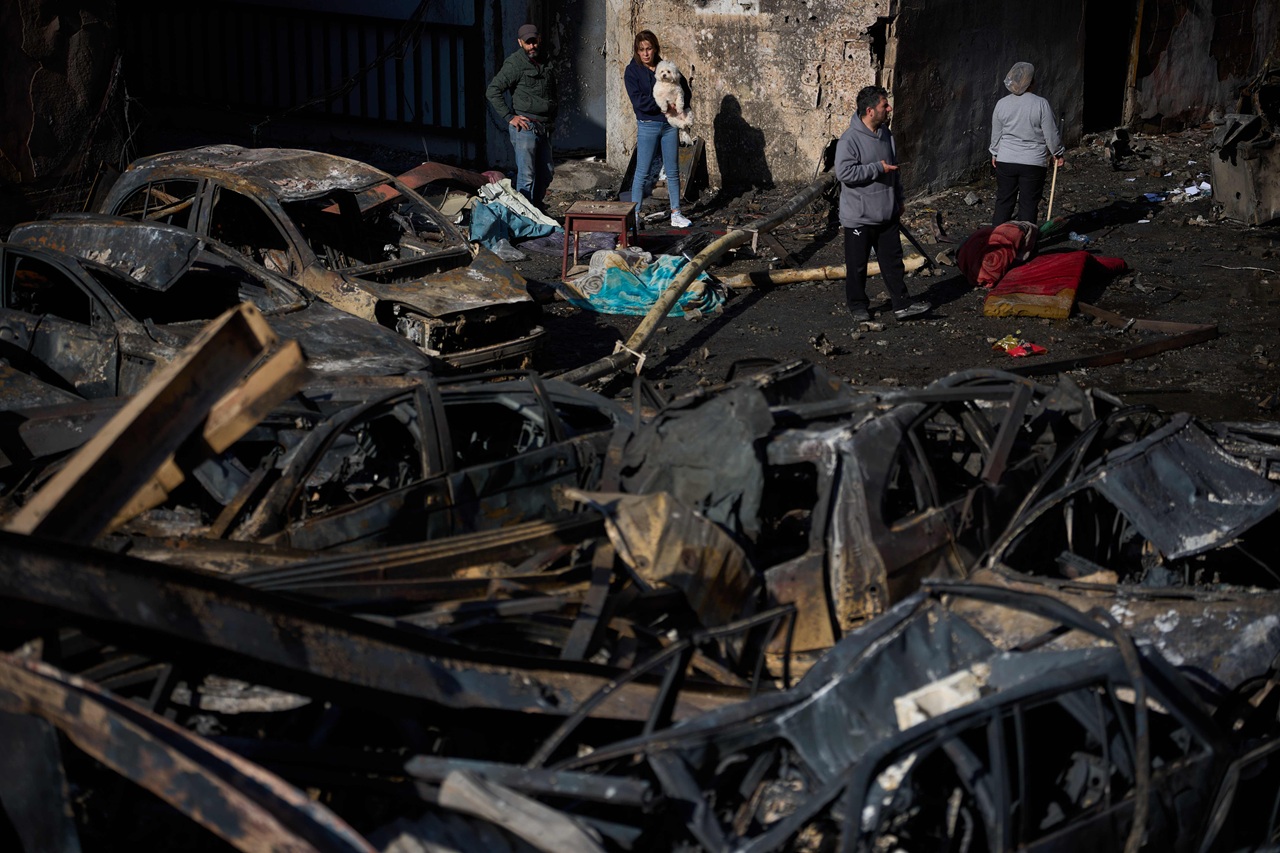
Beyond military targets, the war has shattered everyday life. Schools remain closed, hospitals are overwhelmed, and fuel and food shortages are worsening. Families in southern Lebanon continue to bury their dead in temporary graves, hoping one day to return home and rebuild what has been lost.
The Lebanon-Israel war is no longer just a border conflict. With rising casualties, massive displacement, and ongoing bombardment, it has become a humanitarian disaster that threatens to reshape the fragile balance of the Middle East for years to come.