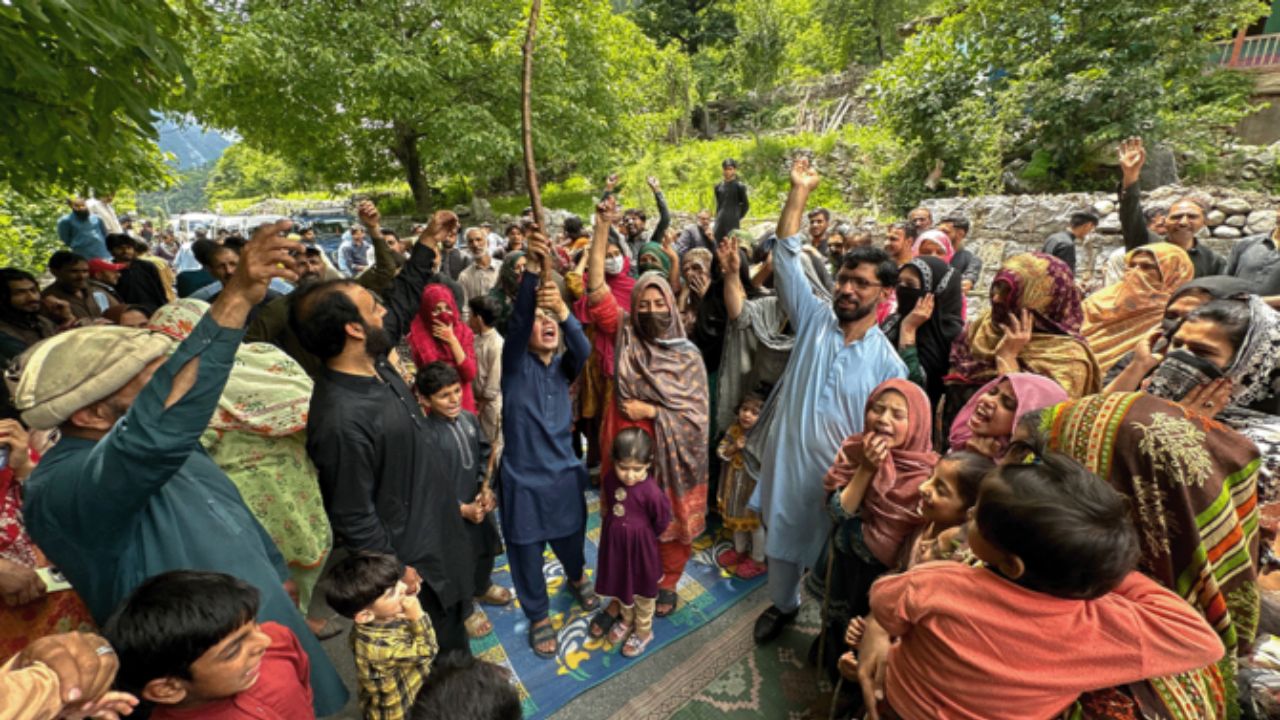



Pakistan-administered Kashmir, officially known as Azad Jammu and Kashmir (AJK), has commenced a staggered election cycle amidst a summer of significant violence and an unofficial state of emergency.
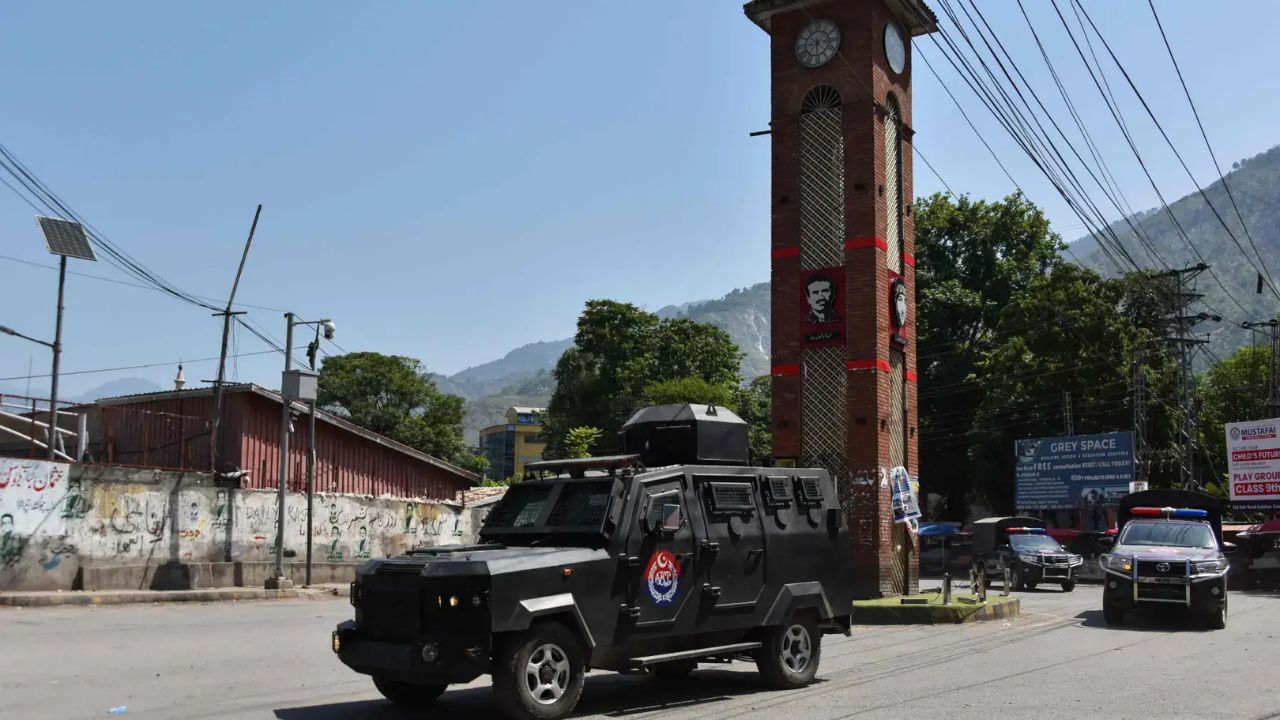
The legislative polls, which began on Monday in Mirpur division, are taking place against a backdrop of intense civil unrest that has left nearly 40 people dead in clashes between security forces and protesters since early June.
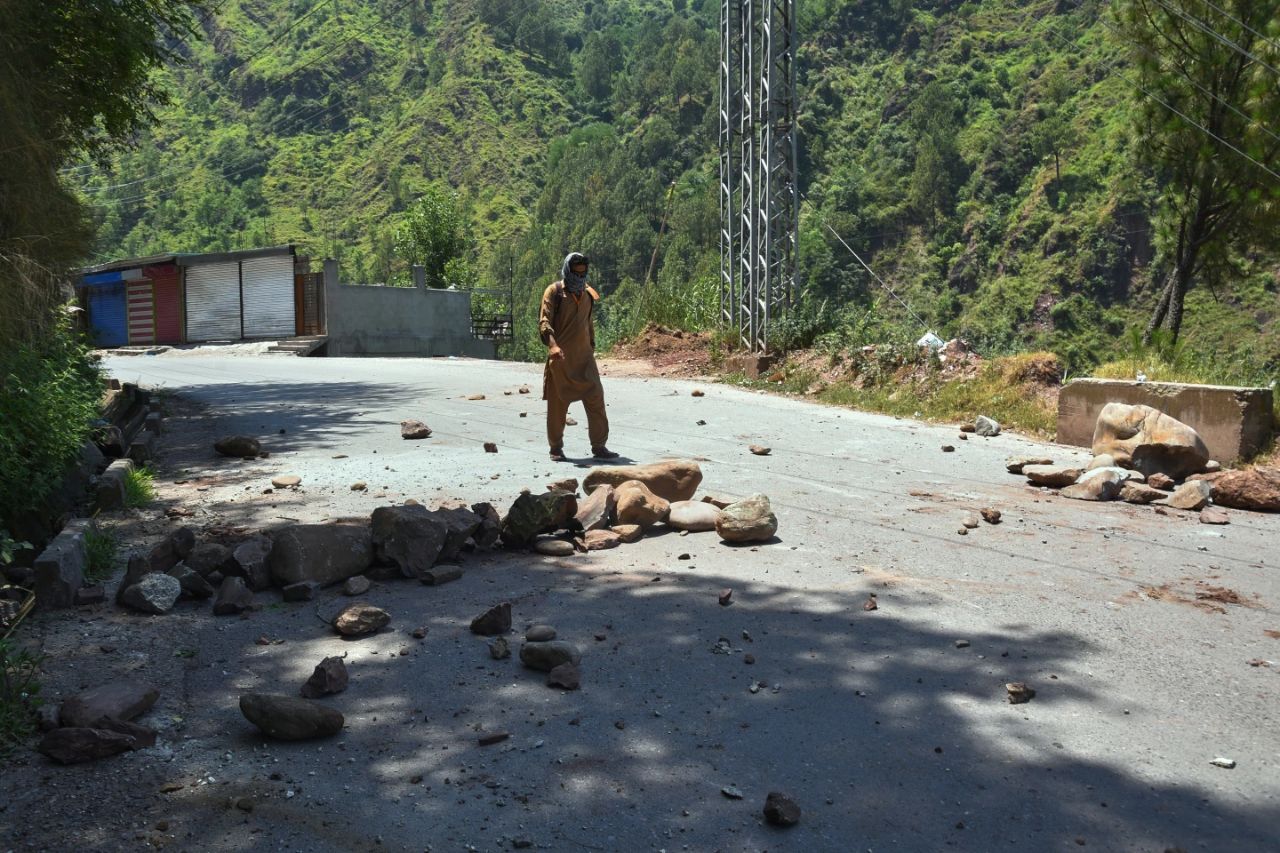
According to a report by Al Jazeera, the region has seen regular road blockades and sit-ins, with mobile and internet services remaining suspended across much of the territory.
The Poonch division, the epicentre of the disturbances, was sealed off for weeks, causing severe disruptions to the supply of essential goods like flour. The unrest is driven by the Jammu Kashmir Joint Awami Action Committee (JAAC), an alliance of civil society groups that was banned by the local government on 5 June.
While the JAAC’s original demands focused on economic grievances such as subsidised flour and cheaper electricity, its platform has expanded to a 38-point charter. A primary demand is now the total abolition of the 12 assembly seats reserved for Kashmiri refugees.

The AJK Legislative Assembly consists of 45 elected seats, 33 of which are filled by residents within the territory, while the remaining 12 are reserved for refugees from Indian-administered Kashmir who now reside across Pakistan in cities such as Lahore, Rawalpindi, and Sialkot.
These refugee constituencies represent approximately 439,000 of the region’s 3.8 million registered voters. JAAC committee member Kashif Abbasi argued that these seats sit outside AJK’s jurisdiction and should be removed, as the election should be for those actually living in the territory.


The movement has urged its supporters to boycott the vote. However, the government maintains that these seats are a constitutional fixture that cannot be altered without a formal amendment.
Chaudhry Muhammad Ibrahim Zia, a former chief justice of AJK Supreme Court, noted that these seats have a firm historical basis dating back to the 1947 founding declaration of the AJK government.
The AJK Supreme Court ruled in June that the seats are protected under the constitution and cannot be abolished through executive action or public pressure, describing a constitutional amendment as a “solemn act” rather than a concession to be “wrested from a government under duress”.
As an alternative, JAAC leaders like Khawaja Mehran suggested that refugee representation could be moved to the AJK Council—an Islamabad-chaired body—allowing the assembly seats to be eliminated and their funding redirected elsewhere in the territory. These proposals were rejected during an All-Parties Conference in Muzaffarabad on 3 June.
Government officials have defended the status quo. Abdul Majid Khan, a former AJK finance minister from a refugee family, stated that the development funds allocated to these seats do not constitute the powerful political bloc that critics claim.
Pakistan’s Defence Minister, Khawaja Asif, argued in National Assembly that the future of seats should be decided by voters at the ballot box rather than through street protests.
Despite official narrative, some activists and researchers suggest that real power remains with Pakistan’s military and intelligence establishment in Rawalpindi. Ershad Mahmud, a researcher on Kashmiri politics, told Al Jazeera that the local leadership often lacks the authority to negotiate settlements with its own people.
He further suggested that the refugee seats allow Islamabad to maintain its stance that AJK represents the entirety of the former State of Jammu and Kashmir.
The election process is scheduled to continue with the Muzaffarabad division and the refugee seats voting on 2 August, followed by the Poonch division on 10 August, where tensions remain at their highest.
This electoral exercise occurs within a complex framework where candidates must swear allegiance to AJK’s accession to Pakistan—a requirement that historian Anam Zakaria argues contradicts the fundamental right to self-determination.