The security and protection of journalists in Bangladesh continues to be persistently undermined in the current complex socio-political context, with media workers facing harassment, intimidation, censorship and physical attacks while performing their professional duties, speakers at a discussion meeting said Saturday.
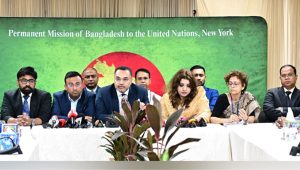
The “Quick Response Support” (QRS) team held the meeting in Dhaka to address the situation and strengthen the security of media workers. The workshop was organised by the private advocacy organisation “VOICE” as part of the “Supporting Media During Transition Period in Bangladesh” project with assistance from the International Media Support (IMS).
Senior journalist, columnist and QRS member Sohrab Hossain said ensuring the security of journalists means protecting the right to speak the truth.
“Without a safe environment, an independent, strong and responsible media cannot develop,” he said. “At the same time, it is extremely important to properly and systematically verify incidents of journalist persecution identified based on published news. QRS members will provide maximum cooperation to strengthen this verification process.”

Program Manager of IMS in Bangladesh Shakhawat Hossain said the initiative aims to strengthen effective steps to enhance the security and protection of media workers and build a collective effort for their overall protection.
“A well-organised system has been established to ensure effective assistance according to the needs of journalists,” he said.


He further informed that the Bangladesh Journalists Safety Fund (BJSF), established under this project, will work to provide assistance to journalists who have been affected or face risks due to performing their professional duties.
Presenting a summary of the initiative, Deputy Director of VOICE Musharrat Mahera said over thirty incidents of violations of journalist security have been documented in the last three months under this project.
“This is directly impacting media freedom in Bangladesh,” she said. “We want to create a safe environment where investigative journalism is encouraged, and the media can play an effective role in establishing inclusive democracy and accountability.”
Among the QRS members present were senior journalist Azizul Parvez, rights activist Sharban Tahura, development consultant Manjur Rashid, educator Afroza Soma, and media personality Dipti Chowdhury.
Participants expressed deep concern over media freedom, objective journalism, risks to journalist security and protection, violence against female journalists, and the trend of harassing lawsuits against and illegal detention of media workers.
They reaffirmed their commitment to remain active and vocal to protect and ensure the fundamental rights and freedom of the media.