Transparency International Bangladesh (TIB) Executive Director Iftekharuzzaman said safety risks to journalists and media workers have increased alongside human rights violations in the last 17 years in Bangladesh, especially until August 2024.
He made these remarks at “Bangladesh Journalism Conference 2026” on Friday. The two-day conference, which commenced at 9am at a hotel in Dhaka, is organised by the Media Resources Development Initiative (MRDI) to celebrate its 25th anniversary.
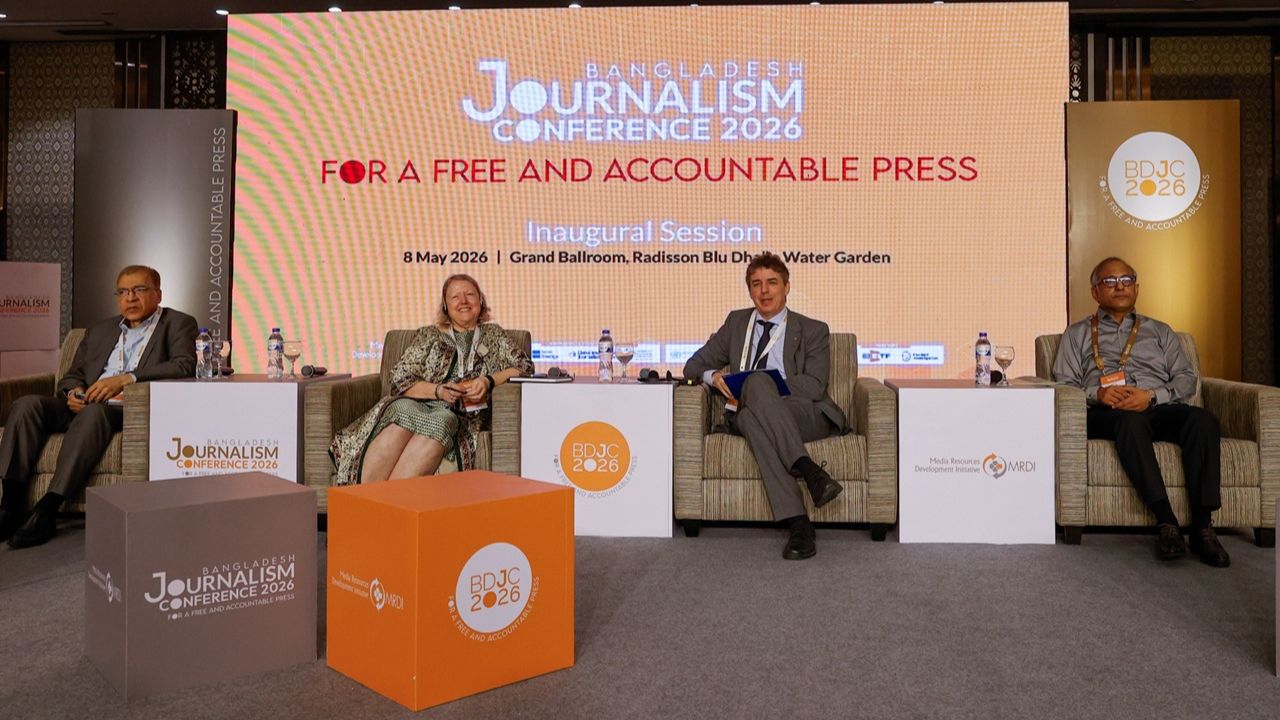
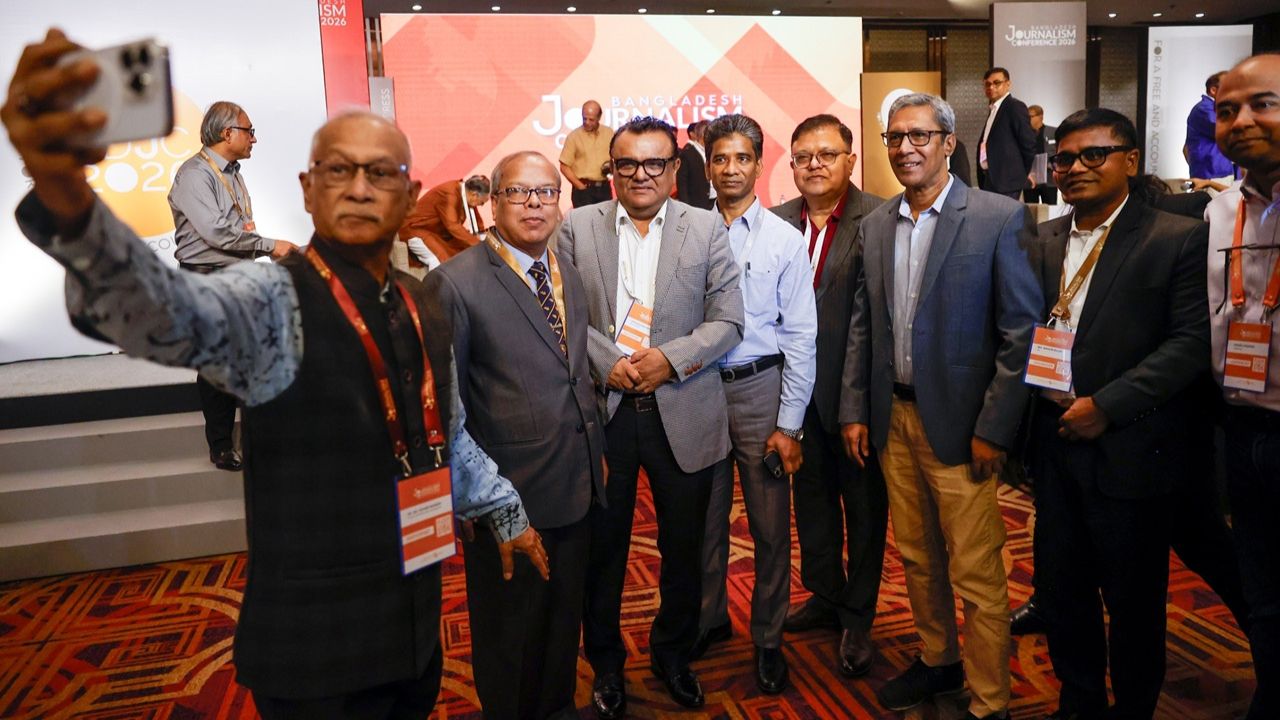
The event drew 547 participants, including editors, researchers, academics, and civil society members, alongside journalism experts from 10 countries.

TIB chief expressed profound concern regarding the security of media professionals. He further highlighted the global crisis, noting that at least 500 journalists have been killed worldwide in the last decade, including at least 60 journalists who lost their lives in Israeli attacks in Gaza since 7 October.
He criticised the lack of accountability regarding attacks on two of the country’s leading media houses, saying, “The role of the then interim government in these incidents was silent.”




Executive Director of the Global Investigative Journalism Network Emilia Díaz-Struck emphasised the media’s social responsibility, stating, “The free flow of information and the public’s right to know are the foundations of a transparent society. Media is not just a business; it is a place of public trust.”
Swedish Ambassador Nicolas Weeks underscored the need for robust protection for the press, arguing that priority should be given to effective policies that ensure journalist safety, protect news sources, and foster an environment for investigative journalism against political pressure and censorship.
UNESCO Representative and Head of Office in Bangladesh Susan Vize added, “In the new democratic context, strengthening the practice of responsible and public interest-based journalism is the demand of the hour.”
She expressed hope that the conference would help project Bangladeshi journalism onto the global stage.
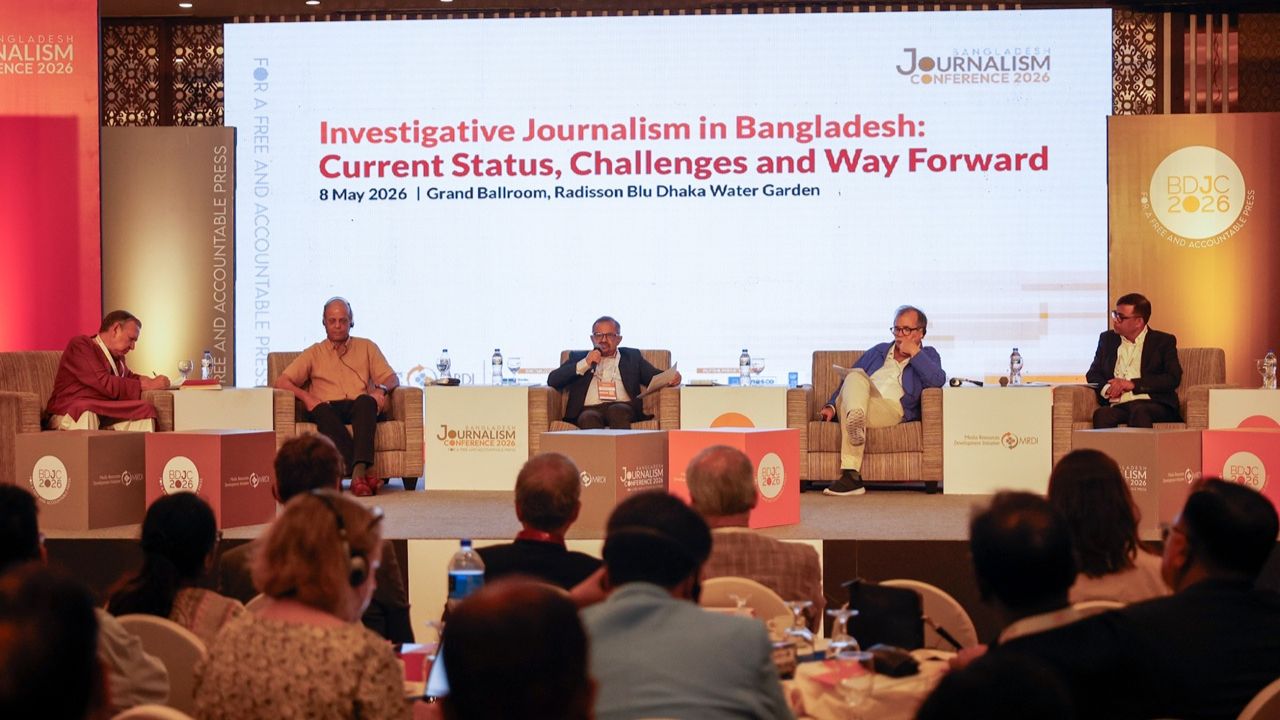
The conference features 12 sessions across two days, covering themes such as media self-regulation, digital transformation, data journalism, and gender equality. Additionally, three help desks have been set up at the venue to provide support for the Right to Information (RTI), fact-checking, and mental health.