
The Tk6,626 crore project to widen the into six lanes has made little progress six years after approval, with work on two sections advancing by only 2 per cent amid land acquisition delays and alleged contractor negligence.
The project, approved in 2020 at Tk4,187 crore, has already seen its cost rise by Tk2,439 crore. Its extended deadline expires in December, but officials say completion within the period is impossible.
Only around 45 per cent of the required land in Kaliganj and 50 per cent in Jhenaidah Sadar have so far been acquired. Although the administration has handed over available land, visible construction remains limited.

Project officials blamed contractors Abdul Monem Ltd and Max for failing to accelerate work despite repeated notices. Lot-2 and Lot-3 Project Manager Tuhin Al Mamun said only 2 per cent of work had been completed because of contractor negligence.
“Completion by December is impossible. The contractors have repeatedly been urged in writing to speed up the work, but they have paid no attention,” he said.




However, Lot-1 Sub-Divisional Engineer Nilon Ali said work on his section had reached around 10 per cent. He blamed earlier delays on the slow acquisition of land and said construction would become more visible from next week.
World Bank Division Director Jo Pem and Operations Manager Gail Martin visited the project area on 19 July and expressed dissatisfaction over the slow progress. They said a decision on extending the financing beyond December would be taken at a future World Bank meeting.
Jhenaidah Additional Deputy Commissioner for Revenue Subir Kumar Das said land acquisition would exceed 60 per cent within three weeks and denied negligence by the administration.
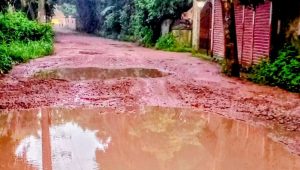
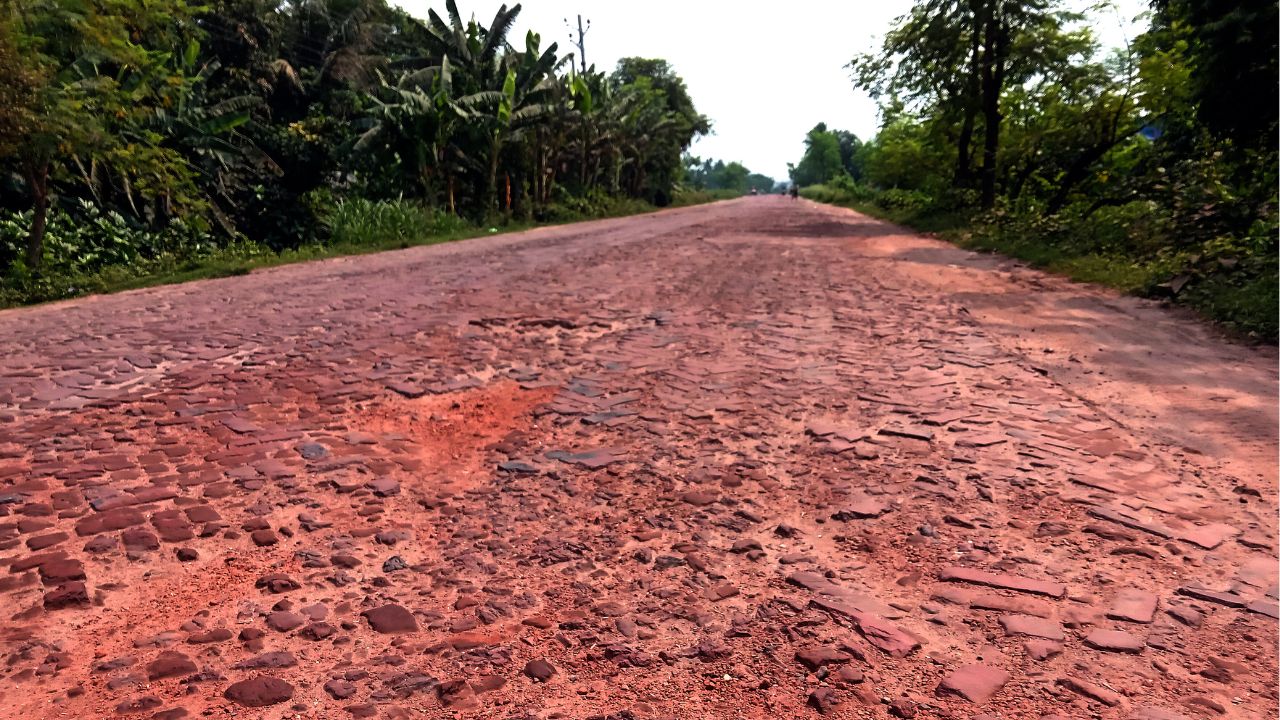
The prolonged construction has left the busy highway riddled with potholes, causing severe disruption to passengers and freight vehicles. The road is a vital route for carrying goods from Benapole, Bhomra and Mongla ports to northern and other parts of the country.
Transport owner Osman Gani said the dug-up highway had become a “death trap”, with frequent accidents and severe difficulties for vehicles and ambulances.
Local representatives of the contracting firms could not be reached for comment despite repeated attempts.