The military confrontation involving the United States, Israel, and Iran has entered its third week with no consensus on ceasefire terms, as the involved powers pursue conflicting strategic goals.
While 16 days of targeted aerial bombardment have significantly diminished Iran’s military capabilities, the path to ending the hostilities remains obscured by divergent demands, reports BBC.
Trump’s shifting objectives
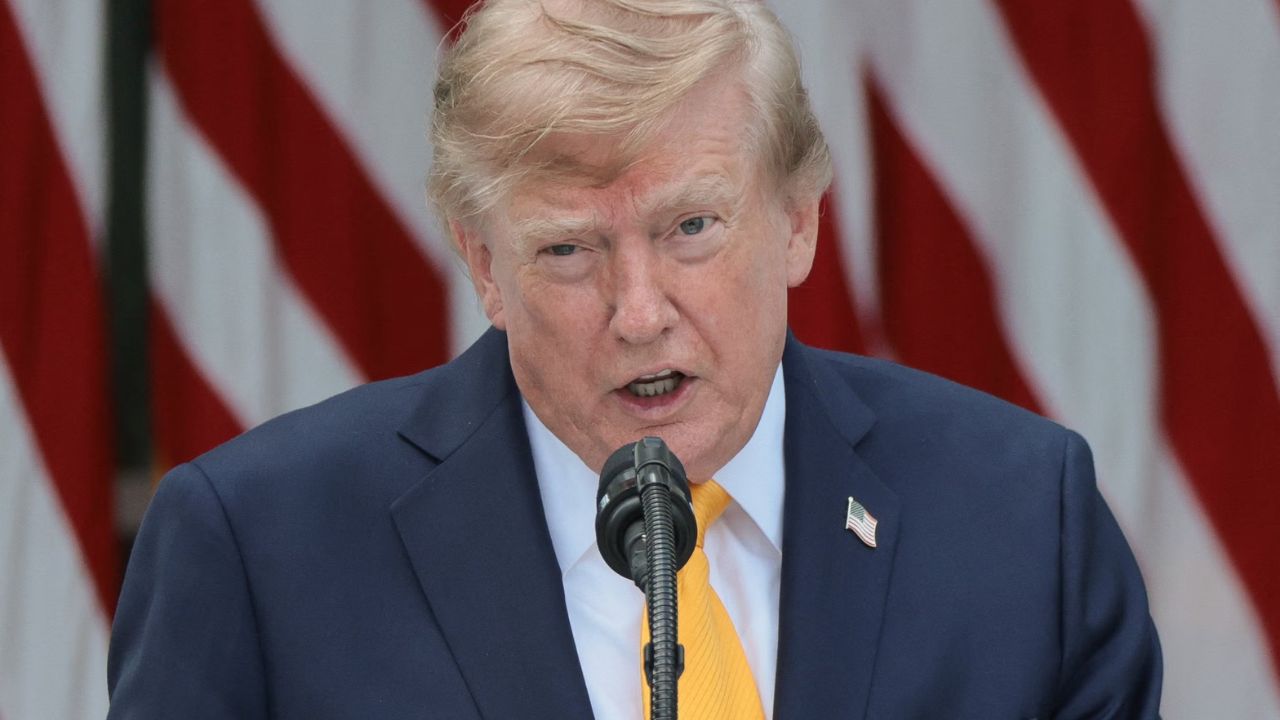
United States President Donald Trump’s war aims have been described as inconsistent, ranging from the mere containment of Iran’s nuclear activities to the complete dismantling of the Islamic Republic. Although Washington and its allies favour the establishment of a democratically elected government in Tehran, there are currently no indications that the ruling authorities are nearing collapse.
President Trump is under increasing domestic pressure to conclude the campaign as global oil prices climb and the Strait of Hormuz remains partially obstructed. Observers suggest that if the Iranian leadership survives the conflict in a defiant state, it will be difficult for the US administration to claim a strategic victory.

Tehran’s ‘strategic patience’
Under the leadership of the new Supreme Leader, Mojtaba Khamenei – the son of the late Ayatollah Ali Khamenei – Iran appears to be utilizing “strategic patience” to outlast the US offensive,. Tehran seeks a swift end to the war but has refused to submit to all of Washington’s conditions.
Earlier Omani-mediated discussions in Geneva indicated potential movement on nuclear concessions. However, Iran remains adamant about maintaining its ballistic missile programme and its support for regional proxies, including the Houthis and Hezbollah. Officially, the Iranian leadership is demanding security guarantees and billions of dollars in reparations for damage caused by US and Israeli strikes.



Israel targets ‘existential’ threats
Israel currently shows the least urgency in reaching a ceasefire. The government of Prime Minister Benjamin Netanyahu considers Iran’s missile production and its 60% uranium enrichment levels to be existential threats.
The Israeli Air Force continues to focus on destroying missile inventories, command centres, and Islamic Revolutionary Guard Corps (IRGC) facilities. Israeli officials intend to impose a high cost on Tehran, demonstrating that these assets can be targeted again should they be rebuilt.
Regional fallout and Western friction
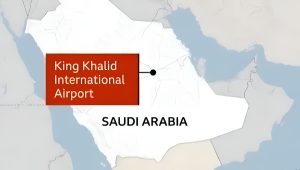
The Gulf Arab states, including Saudi Arabia and the UAE, have expressed significant anger after being targeted by Iranian drones and missiles despite their neutrality in the conflict.
On Monday, the Saudi defence ministry reported the interception of more than 60 projectiles. One official remarked that “zero trust” now remains between the Gulf capitals and Tehran.
Meanwhile, diplomatic friction has emerged between Washington and London. President Trump has voiced dissatisfaction with the British response to the crisis.
While Prime Minister Sir Keir Starmer stated that the UK is collaborating with allies to secure the Strait of Hormuz, many European nations remain reluctant to deploy naval assets into a conflict they did not originally endorse.