The long-held doctrine of absolute dominance defining US President Donald Trump’s second term is facing its most significant challenges to date, as a deepening crisis in Iran and a major electoral defeat in Europe suggest the limits of American coercion.
The president’s methodology, built on confrontation and the escalation of disputes, is being tested by an increasingly chaotic international landscape and growing domestic unrest. According to CNN analyst Stephen Collinson, the six-week-long Iran war has become the ultimate gauge of this approach.
While Trump launched an assault on Tehran’s military and nuclear ambitions that his predecessors had avoided, the Iranian government’s refusal to surrender has begun to reveal the boundaries of US influence.
The Iran impasse
To break the Iran war deadlock, the US president has implemented a blockade of the Strait of Hormuz, attempting to throttle the Iranian economy despite the risk of grave repercussions for global energy markets.

However, Tehran appears to be gambling that Trump lacks the political endurance for the resulting spike in inflation and petrol prices during a midterm election year.
The conflict has also highlighted a growing isolation from traditional allies. Trump failed to compel NATO members to join the Iran war, on which they were neither consulted on nor supported.
Even threats to withdraw from the alliance failed to persuade nations to abandon their own national interests, depriving the US of the multilateral options it relied upon in previous conflicts.

European ‘MAGA’ project falters
The President’s efforts to export his political movement have suffered a parallel blow in Europe. On Sunday, Hungarian voters rejected Prime Minister Viktor Orbán, ending his 16-year nationalist rule.
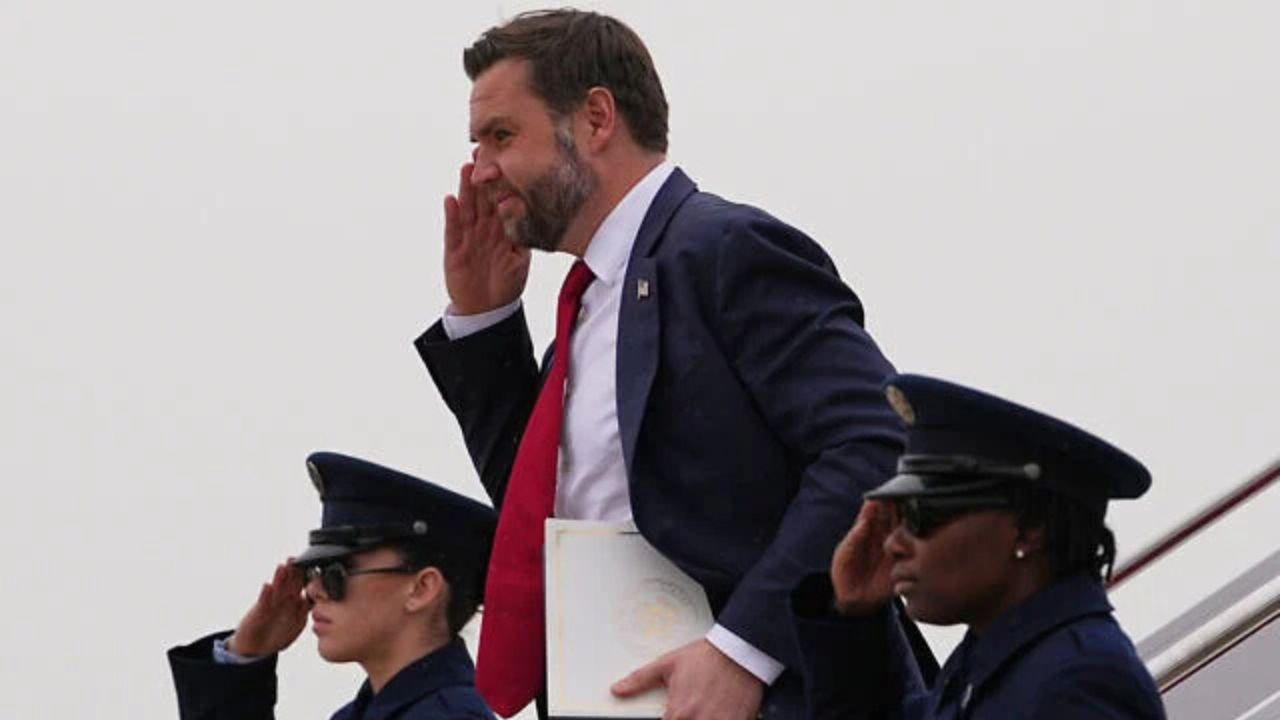
Orbán’s defeat is a direct setback for the Trump administration’s “Europe MAGA” project and for Vice President JD Vance, who recently travelled to Hungary to campaign for the incumbent.
The victory of Péter Magyar, a centre-right leader and former Orbán loyalist, suggests that the cult of “strongman” leadership may be unable to indefinitely overcome the pressures of incumbency in quasi-democratic societies.
Domestic guardrails and setbacks
At home, the President’s belief in unchallenged power has met with constitutional and public resistance. Following the deaths of two Americans at the hands of federal agents in Minnesota earlier this year, public backlash forced a climbdown over a mass deportation programme.
Moreover, the dismissal of Attorney General Pam Bondi followed the failure of several attempts to use the legal system to punish political rivals, indicating that constitutional guardrails remain functional.
Despite these setbacks, the administration remains committed to a philosophy of force. Deputy White House Chief of Staff Stephen Miller recently asserted that the world is “governed by strength” and “power.”
This belief was bolstered earlier this year by the special forces raid that captured Venezuelan leader Nicolás Maduro and the success of the “Donroe Doctrine” in influencing elections in Argentina and Honduras.
However, as the Iran crisis continues and European allies distance themselves, the “aura of omnipotence” that Trump has cultivated is facing its most rigorous scrutiny.
As Trump himself told The New York Times earlier this year, he believes the only curb on his international actions is his “own morality.” Whether that belief can survive the current geopolitical and domestic reality remains the central question of his presidency.