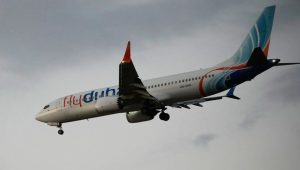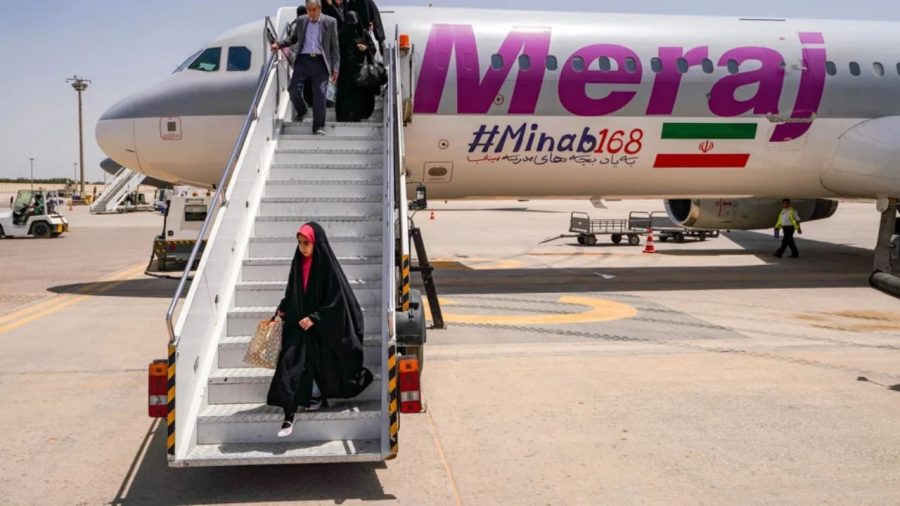



Iran has urged Iraq to lift remaining flight restrictions linked to US sanctions and fully restore air services between the two countries, after flights partially resumed at one Iraqi airport earlier this week.
In a statement on Thursday, Iran’s Foreign Ministry condemned Washington’s “illegal and inhumane” efforts to disrupt Iran’s trade and air transport through the “extraterritorial enforcement” of US sanctions, reports Al Jazeera.
It called on Baghdad to remove the restrictions, saying the movement of millions of Iranian and Iraqi citizens required “an independent and responsible approach” to disagreements between the two governments.

Flights between Najaf and Iran resumed late on Monday, according to Iraq’s state-run Iraqi News Agency, which attributed the resumption to the “diligent efforts” of Prime Minister Ali al-Zaidi.
Meanwhile, Iraq’s ambassador to Iran, Yasser Abdulzahra al-Hajjaj, said Baghdad had not decided to suspend Iranian flights. He explained that foreign ground-handling companies had refused to provide services because of fears of US sanctions.
Flights remained suspended at Baghdad, Erbil and Sulaimaniyah airports, forcing passengers to make land journeys lasting at least 12 hours and disrupting pilgrim traffic between Shia-majority areas.
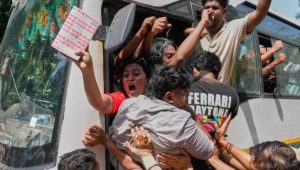
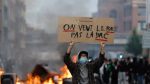
Iranian news agency Press TV reported that the suspensions had triggered protests in several parts of Iraq, including outside Najaf airport and in Nasiriya, Karbala and Amarah.
The US ban, which took effect on 23 September and targets companies doing business with Iranian airlines, has sharply reduced Iran’s international air links.
According to aviation monitor FlightRadar24, flights to and from Tehran’s Imam Khomeini International Airport have fallen by 42 per cent. Services to Georgia, Oman and Azerbaijan have stopped entirely, while flights to Dubai have been suspended since 23 September.
Flights to China, however, have remained steady. The busiest route, to Turkiye, has declined by 19 per cent, although individual airlines have moved services on and off the route.
Iraq’s government had sought a US exemption “on humanitarian grounds related to medical treatment, education, religious visits, and the interests of civilians”.