The United Nations International Indigenous Day is being celebrated this year by honouring indigenous midwives with the theme ‘Honouring Midwives for Safeguarding Life and Well-being.’ It demonstrates that indigenous peoples are the guardians of unique cultures, languages, and invaluable knowledge systems that have sustained their communities for generations. Indigenous midwives are among the many bringers of this knowledge, whose quiet dedication has protected maternal health and newborns in some of the world’s most remote and underserved regions. Rather, they nurture the health of new mothers, preserve indigenous traditions, provide emotional support to pregnant women and mothers, and strengthen community resilience. Yet their roles are not properly evaluated in the indigenous communities, sometimes unrecognised, unevaluated, and gradually threatened. The mainstream society and the authorities do not recognise this noble profession that saves millions of lives every year, particularly in the remote villages in the CHT and among poor families. They have long-practiced traditions. However, they have minimal recognition.
In May 2026, I conducted fieldwork on reproductive health practices among the Khumi indigenous community in Bandarban for my research publication. The findings showed that they have no direct healthcare facilities in their villages, not even in the nearest villages. They have to go to Mro Bazar, located 20 kilometres from the Khumi villages, to see a doctor or go to a pharmacy. There, an NGO hospital provides medication for pregnancy and child health. If it is serious, they have to visit the Bandarban Sadar Hospital, located about 40 kilometers away. The study also found that they receive treatment and advice from local Ayurvedic doctors (Kabiraj) for their health and well-being until the condition becomes dangerous or severe.
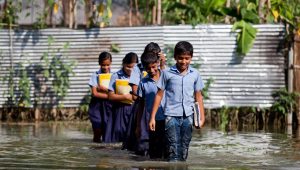
The Khumi people are satisfied with the assistance provided by midwives, and it has been a common practice in their villages for years. They are not only popular and common among the Khumi families, but also among all indigenous communities living in the CHT. There are several places in the CHT where road access is inconvenient and requires reliance on waterways. They live in a remote, underprivileged area.

One of the greatest strengths of indigenous midwives lies in the trust of the communities. The women often feel more comfortable with midwives, discussing sensitive reproductive health issues who understand their language, customs, and lived experience. This relationship of trust enables indigenous midwives to provide counselling on multiple maternal healthcare issues, while following and respecting community values. Many indigenous midwives possess extensive knowledge of maternal problems, including medicinal plants, traditional foods, massage techniques, and culturally accepted practices that promote maternal well-being.
Midwives can serve as important partners in community-based maternal healthcare with proper training and methodological improvements. By providing appropriate training to recognise danger signs and refer patients promptly to hospital, they can promote health practices in rural Bangladesh, provide culturally appropriate support, and enable communities to benefit from both indigenous wisdom and modern medicine. Bangladesh has an opportunity to build partnerships, and Upazila hospitals, community clinics, and maternal health programs can actively engage indigenous midwives in maternal health promotion, antenatal and postnatal counselling, and referral services. Such collaboration would build up trust between the indigenous communities and formal healthcare institutions.




Probably, Bangladesh does not follow any formal procedure to enlist indigenous midwives to recognise their contributions and dedication in rural Bangladesh and the CHT. The indigenous midwives should be enlisted and require proper documentation and recognition by the government. They should be registered as professionals and issued identity cards so they can work with greater responsibility and dignity. The authority should also record the indigenous health practices, medicinal knowledge, childbirth customs, and community health experiences. This documentation must prioritise the indigenous intellectual property and indigenous rights.
Moreover, recognition of indigenous midwives is closely linked to the broader commitments of the UN Sustainable Development Goals, particularly Goal 3 on ensuring healthy lives and promoting well-being for all, and Goal 10 on reducing inequalities. It also reflects the principles of the UN Declaration on the Rights of Indigenous Peoples, which ensures the indigenous peoples’ rights to maintain their traditional medicine, health practices, and cultural institutions. Thus, respecting indigenous knowledge is a matter of human rights and social justice.
Perhaps the most significant issue is acknowledging the dignity and lifelong service of indigenous midwives. They walked long distances through hills and forests for decades to respond to emergencies at all hours of the day and night, comforted anxious mothers, and welcomed newborn babies into the world. It is time to say ‘Thank you’ to them.
International Indigenous Day is therefore an opportunity to reaffirm our commitment to inclusive healthcare that values both scientific and traditional wisdom, and to recognise the indigenous midwives. Honouring these wonderful women ultimately safeguards life, protects knowledge, and ensures respectful, compassionate, and high-quality healthcare.
The views expressed in this article are solely those of the author
The writer is an Associate Professor of Sociology, University of Chittagong. Email: [email protected]