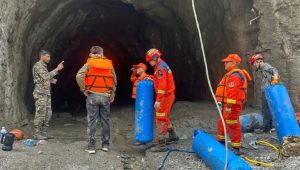
India’s border force has asked units guarding the Bangladesh frontier to examine whether reptiles, including crocodiles and venomous snakes, could be used in vulnerable riverine gaps where fencing is difficult, raising alarm among rights activists and wildlife experts, reports AL Jazeera.
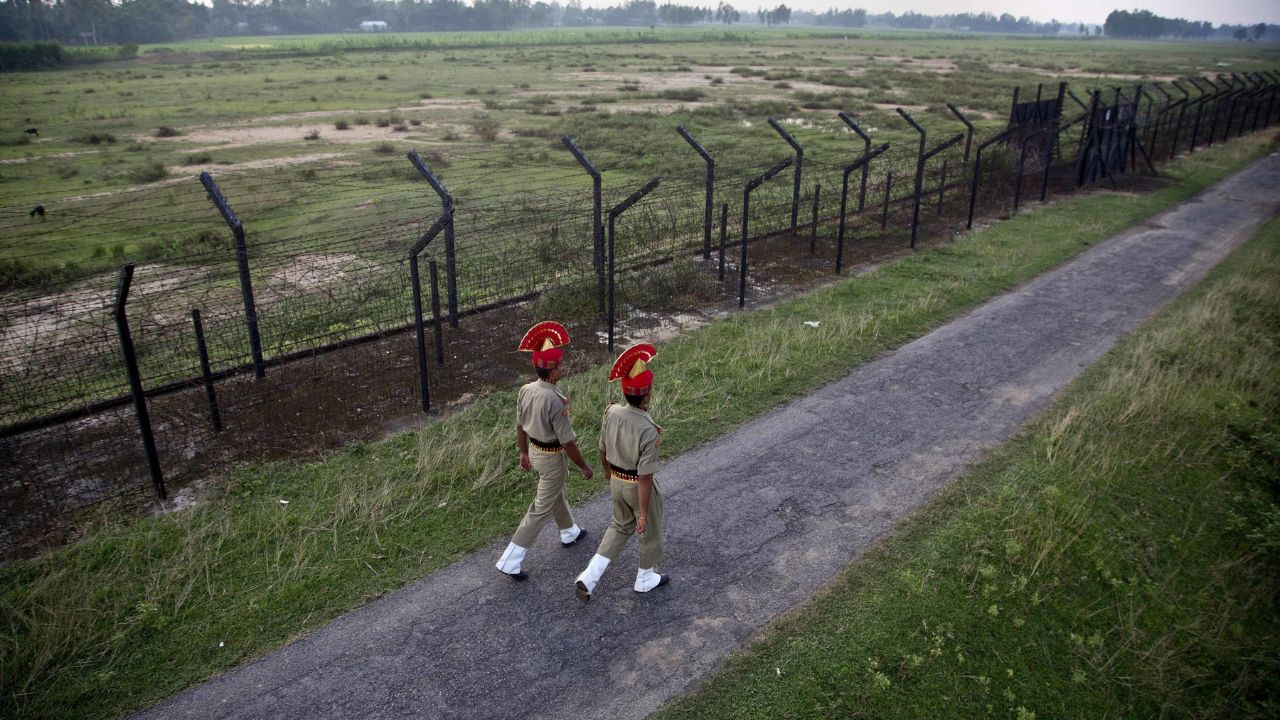
The idea, outlined in a March 26 internal communication by the Border Security Force (BSF), comes as New Delhi pushes to secure the 4,096-kilometre India-Bangladesh border, much of which runs through rivers, marshes, hills and settlements across West Bengal, Tripura, Assam, Meghalaya and Mizoram.
Why is India considering the idea?
India has fenced nearly 3,000 kilometres of the border. The remaining stretches include riverine and low-lying areas where construction is difficult because of terrain, local habitation, land acquisition issues and protests from border communities.
The BSF communication directed frontier units to ensure “strict compliance” by “exploring use of reptiles in riverine gaps” and to share “action taken” after receiving the order. The directive was first reported by Northeast News.
India’s Ministry of Home Affairs said in a report last year that the BSF had worked to curb illegal cross-border activities and undocumented migration from Bangladesh despite difficult terrain.
The report also said fencing had slowed in some areas because of rivers, low-lying land, habitations near the border, pending land acquisition and protests from border residents.
Why has the proposal drawn criticism?
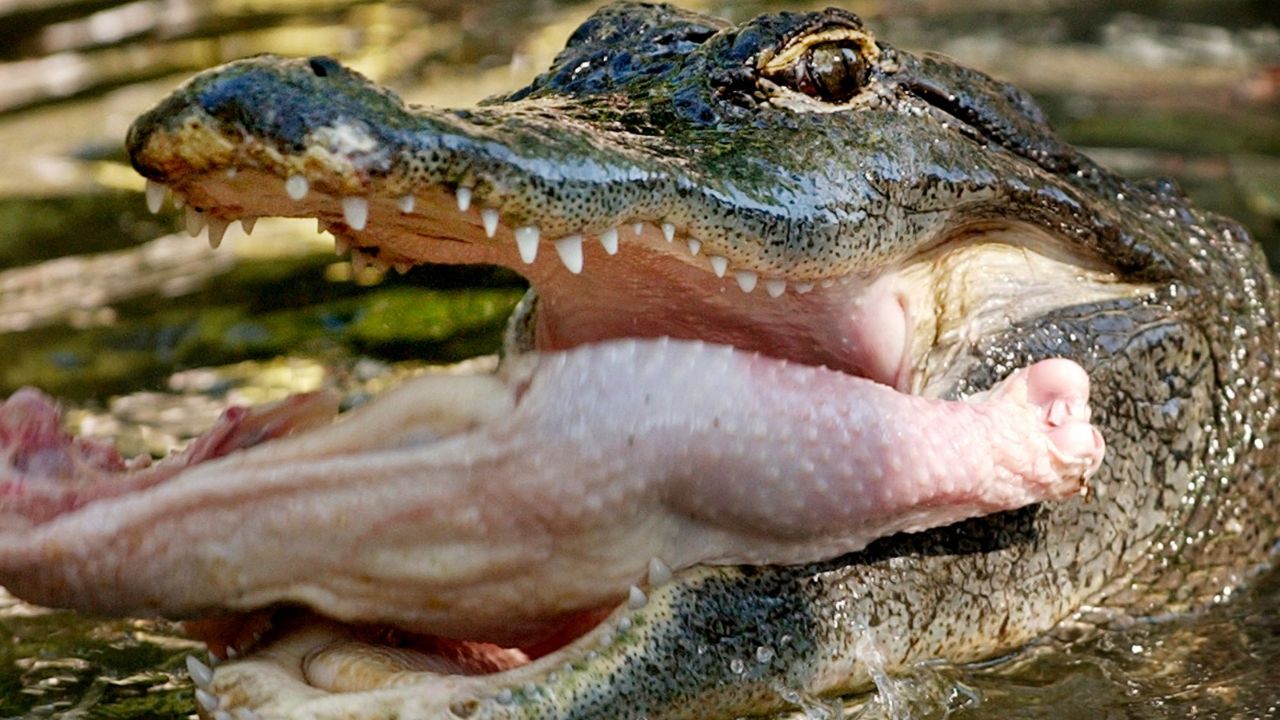
Analysts and activists say the plan risks weaponizing wildlife against people and could endanger communities on both sides of the border.

“This would be hilarious if it weren’t sinister and dangerous,” said Angshuman Choudhury, a researcher focusing on northeastern and eastern Indian border states.
He said animals such as crocodiles and venomous snakes could not distinguish between Bangladeshis and Indians.
“This is peak cruelty against and dehumanisation of undocumented immigrants. A whole new way of weaponizing nature and animals against human beings. It’s biopolitical violence of a new kind,” he said.
Choudhury said rivers remain the “Achilles’ heel” of the India-Bangladesh border because they are practically impossible to fence.
What is the political context?
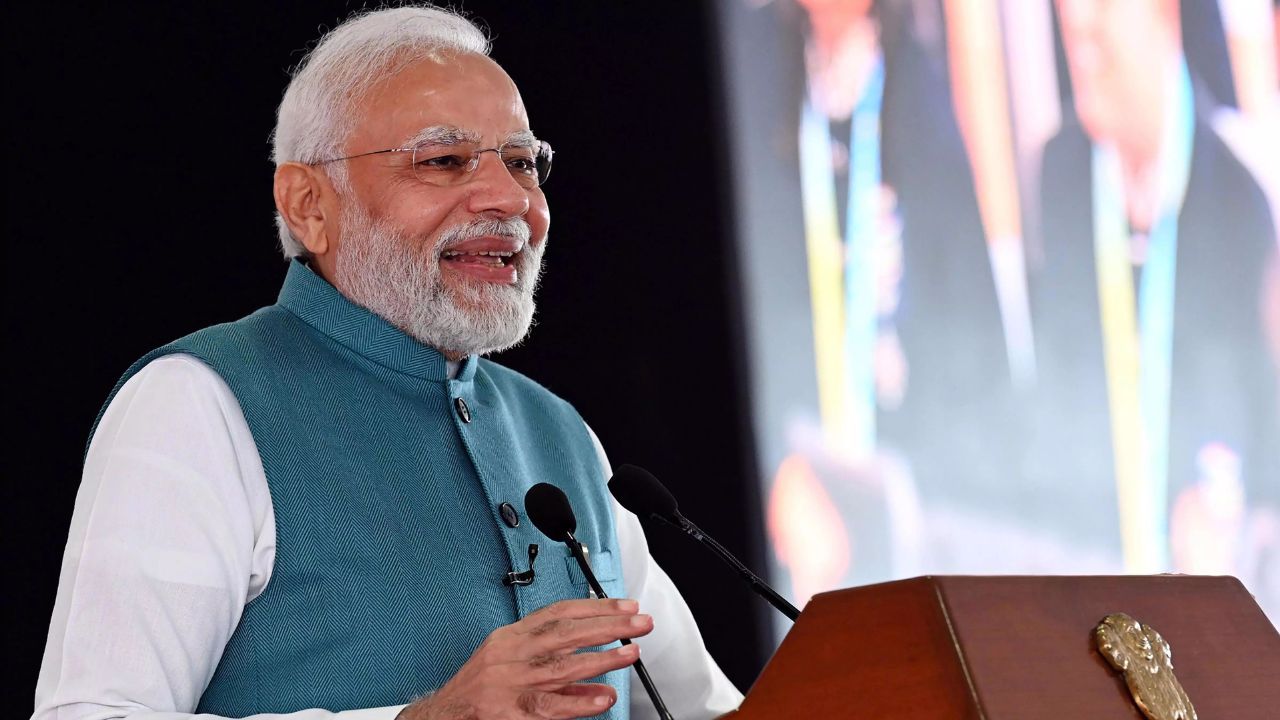
Prime Minister Narendra Modi’s Hindu majoritarian government has long argued that undocumented migrants pose a threat by changing India’s demographics.




Human rights observers say the government has used the rhetoric to harass religious minorities, especially Bengali Muslims in eastern and northeastern India.
The 1947 partition of British India divided Bengal, though communities on both sides of the border still share cultural and ethnic roots.
BSF officials have faced criticism in the past over allegations that Indian Muslims were pushed into Bangladesh at gunpoint.
There are no formal statistics on the number of undocumented migrants in India. A new census began this month, while the last one was conducted in 2011.
Human rights activist Harsh Mander said India should engage with Bangladesh and follow judicial processes to deal with undocumented migrants instead of using “extrajudicial methods”.


He said India’s approach to “contested citizenship” reflected cruelty and defiance of constitutional and international principles.
Mander said the targeting of Muslim Indians kept Bengali Muslims under fear that they could be stripped of citizenship and rendered stateless.
Choudhury cited foreign tribunal courts in Assam, which decide whether suspected migrants are “foreigners” or Indian citizens under the Foreigners Act of 1946. He said some Indians had been declared foreigners in Assam and West Bengal because they could not produce citizenship documents.
What could happen to the ecosystem?
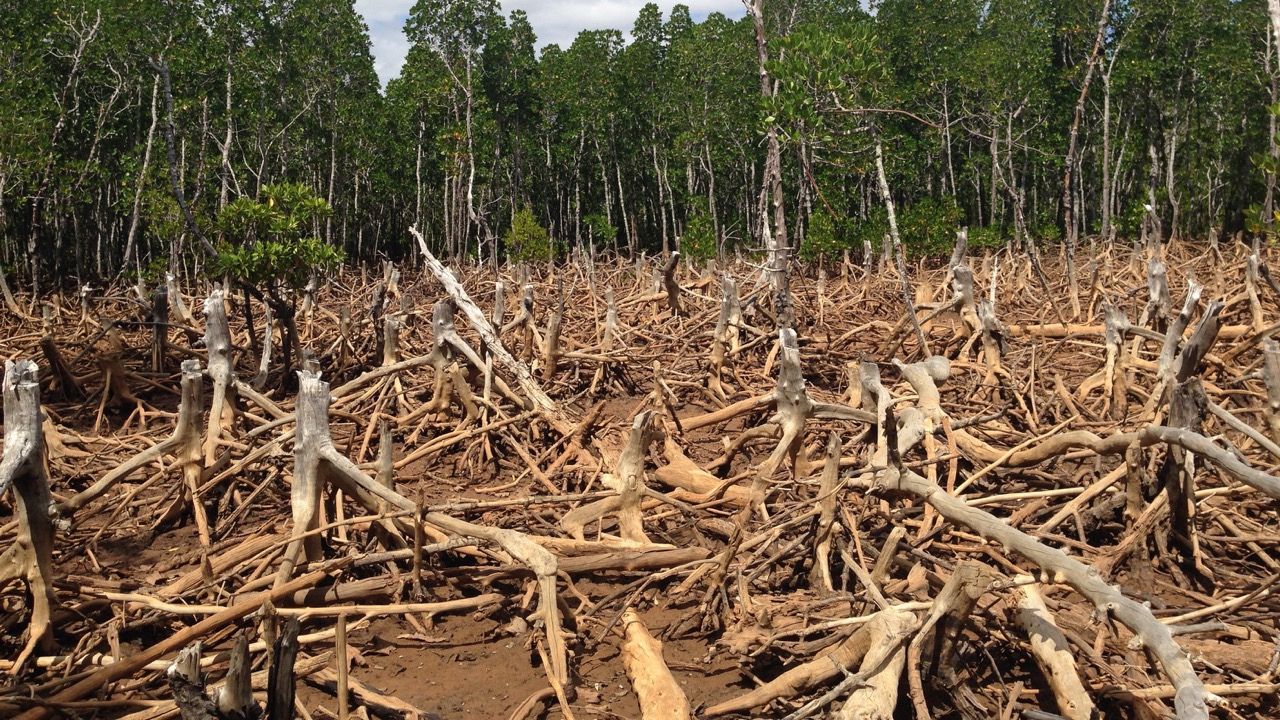
Wildlife experts say the proposal is unlikely to work and could harm the environment.
Rathin Barman, chief of strategy and liaison at the Wildlife Trust of India, said crocodiles are not native to riverine stretches along much of the India-Bangladesh border.
A crocodile species is found in the Sundarbans in southern West Bengal, while another is found in restricted wetlands in Assam, away from the border areas. If relocated, they may not survive, he said.
“First thing you know, they end up dead soon,” Barman said. “The same goes for so-called venomous snakes.”
He warned against manipulating the natural distribution of species, saying the move could disrupt the ecological chain.
Flooding in swampy border areas could also push snakes into residential zones, exposing local communities, including fishers, to serious danger.
“These animals cannot do what the Indian state is unable to: to identify who is an ‘illegal infiltrator’,” Mander said. “They will, of course, attack the local population on either side.”
Has anything like this been tried before?
There is no modern precedent for deploying natural predators to secure an international border.
During his first presidency, US President Donald Trump was reported to have discussed deterrent ideas including a moat filled with snakes or alligators and shooting people in the legs. He denied the reports.
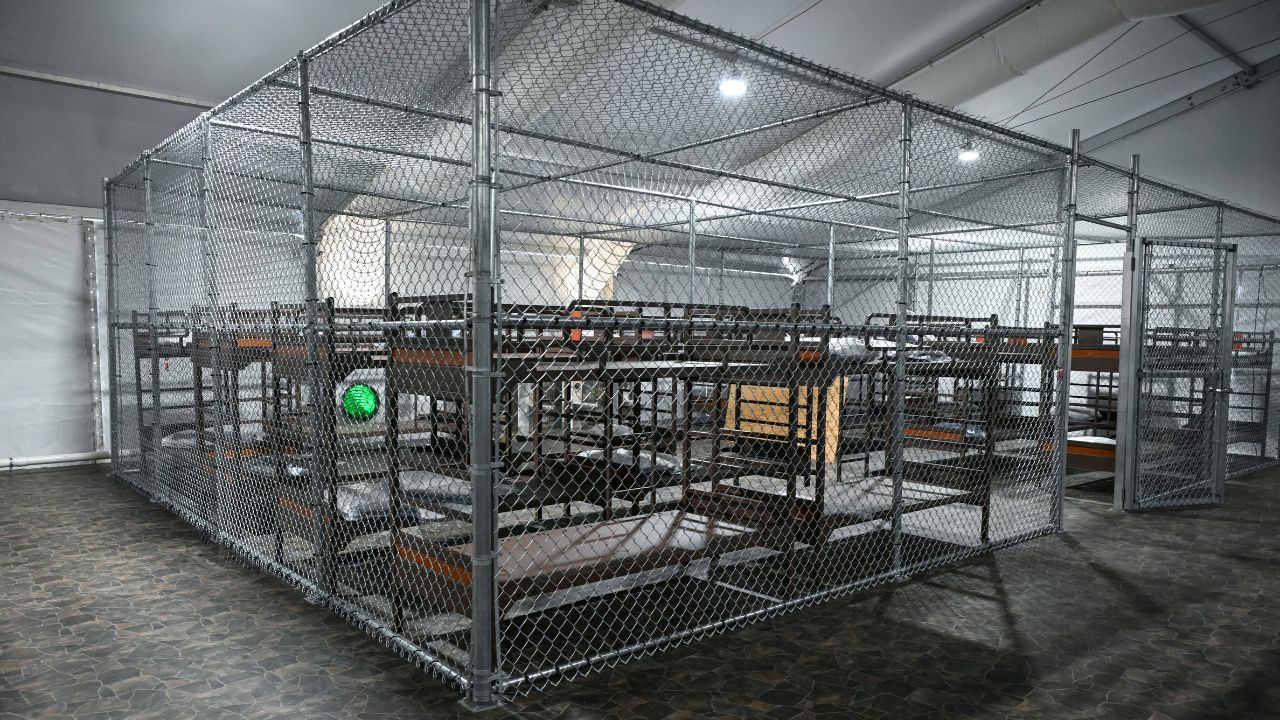
A comparison has been made with the South Florida Detention Facility, opened in July 2025 and nicknamed “Alligator Alcatraz” by state officials who support Trump. Amnesty International has called for the centre to be shut down, citing inhumane conditions and harm to the Everglades ecosystem.