


When India’s then consul general in New York, Sandeep Chakravorty, was filmed in November 2019 urging New Delhi to adopt an “Israeli model” in Indian-administered Kashmir, the region was already under an unprecedented lockdown, according to Aljazeera.
Prime Minister Narendra Modi’s government had revoked the territory’s semi-autonomous status in August that year, detained thousands of people including pro-India political leaders, and imposed sweeping communications restrictions. Chakravorty, speaking at a private event, referred to Israeli settlements in occupied Palestinian territory while discussing the resettlement of Kashmiri Hindus who fled in 1989 after an armed rebellion began.
“It has happened in the Middle East. If the Israeli people can do it, we can also do it,” he said, adding that the Modi government was “determined” to pursue such a path.
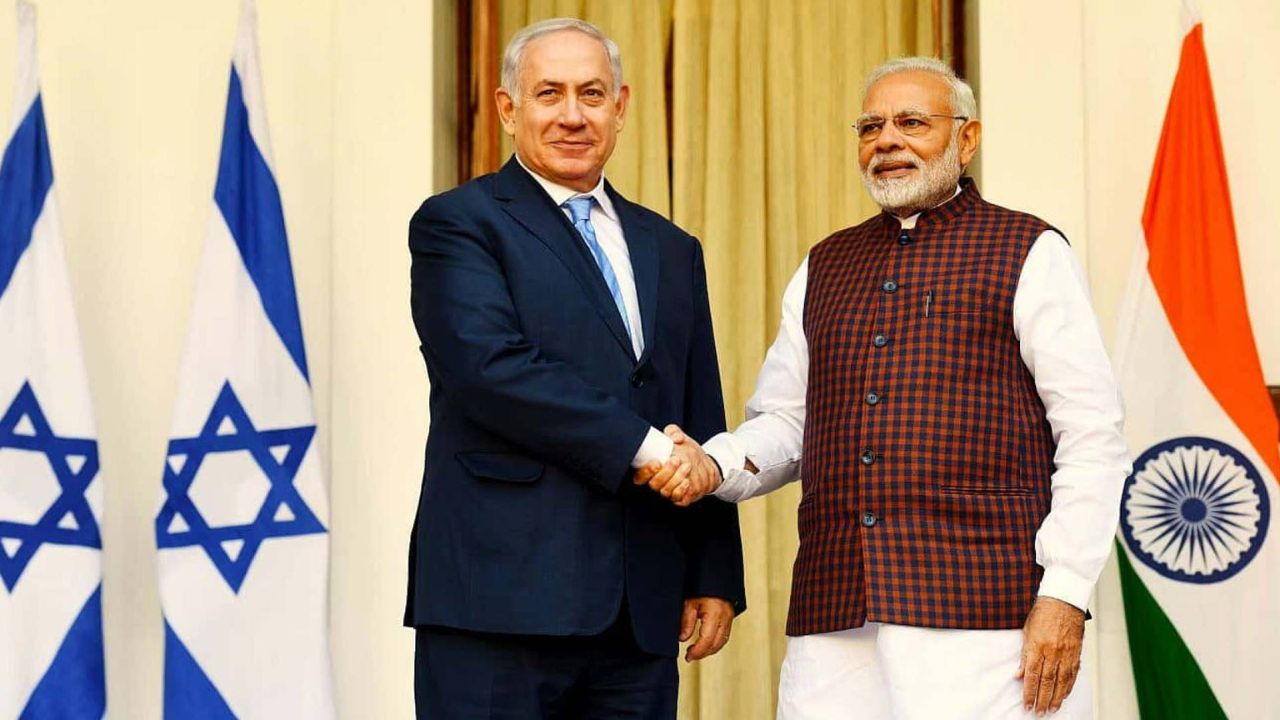
Six years on, analysts say ties between India and Israel extend beyond defence trade and diplomacy, reflecting what they describe as converging approaches to governance, security and national identity.
Shared ideological framing
Under Modi, India has drawn closer to Israel while moving away from its longstanding support for the Palestinian cause, analysts say. They argue that elements of Israel’s security and administrative practices have also influenced India’s domestic policies since Modi took office in 2014.
At the core of the relationship is what some scholars describe as ideological affinity. Modi’s Bharatiya Janata Party (BJP) is rooted in Hindutva, a philosophy that envisions India as a Hindu nation and a natural homeland for Hindus globally. Israel defines itself as a Jewish homeland.
“The India-Israel relationship under Modi is a bond between two ideologies that see themselves as civilisational projects and Muslims as demographic and security threats,” said Azad Essa, author of the 2023 book Hostile Homelands: The New Alliance Between India and Israel.
“The friendship works because they have similar supremacist ends,” Essa said. “Under Modi, India and Israel became strategic partners, and Delhi began to see Israel as a template and as key to India’s move toward becoming a great power.”

Sumantra Bose, a political scientist specialising in nationalism and conflict in South Asia, said generations of cadres from the Rashtriya Swayamsevak Sangh (RSS), the BJP’s ideological fountainhead, “have been indoctrinated in this ideology and have imbibed the love of Israel”.
“The nation-state of Israel, which Bose characterised as majoritarian and supremacist, is the model Hindu nationalists are implementing in India in the Modi era,” he said. “The Israeli ideal finds reflection in many policies and measures of Modi’s government.”
‘Bulldozer justice’
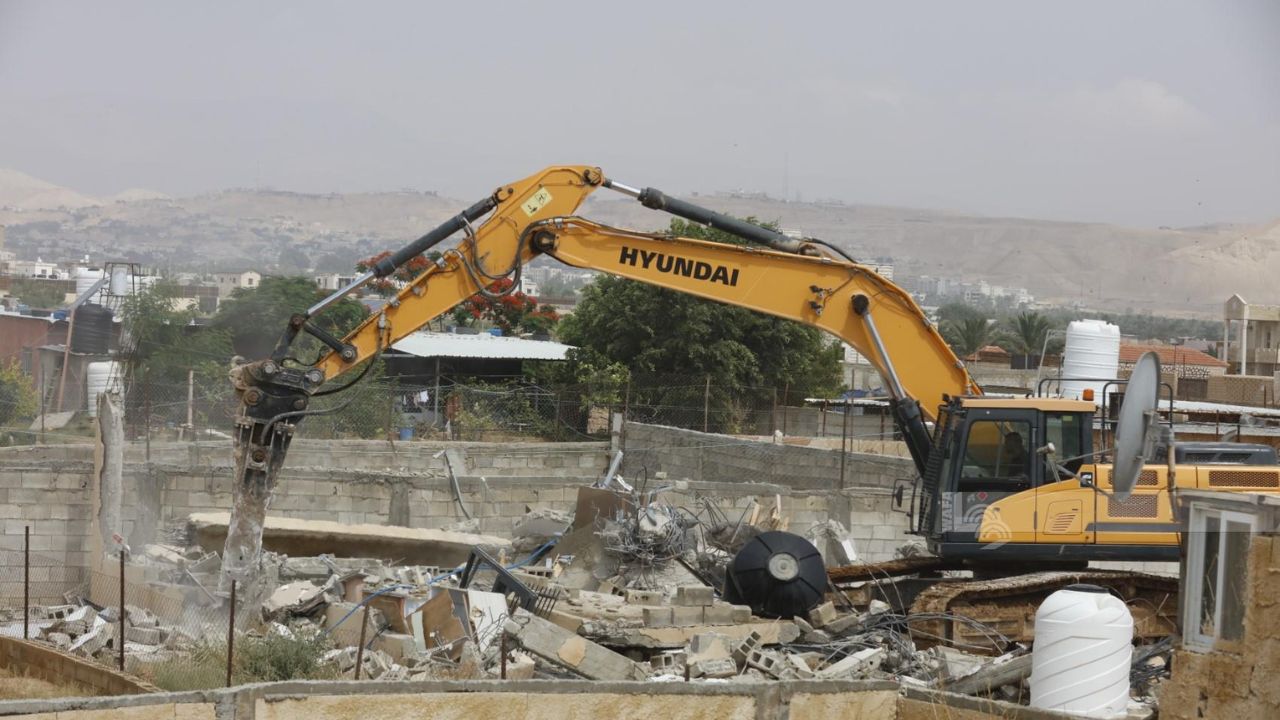
One of the most visible policies cited by critics is the demolition of homes and businesses belonging largely to Muslims in BJP-ruled states. Over the past decade, authorities have razed hundreds of properties and several mosques, often without issuing legal notices, according to rights groups and opposition politicians.
Demolitions have frequently followed communal tensions, protests against government policies or local disputes that acquired religious overtones. Yogi Adityanath, chief minister of Uttar Pradesh, India’s most populous state, is widely known among supporters as “Bulldozer Baba”.
Critics say the approach mirrors Israeli practices in the occupied West Bank and East Jerusalem, where Palestinian homes have been demolished to make way for settlements. During the war in Gaza, much of the territory’s civilian infrastructure has been destroyed or severely damaged.




Essa said bulldozing properties in both countries is used “to target and punish certain populations and underscore a political message to communities, including who may belong to the nation and who is an outsider”.
In November 2024, India’s Supreme Court ruled that authorities cannot demolish property, even if belonging to people accused of crimes, without following due process. On the ground, however, demolitions have continued, according to activists.
Muslims in India have also faced social boycotts in recent years. Reports have documented difficulties in renting accommodation, instances of bullying of Muslim children at school, and the departure of Muslim families from villages after attacks.
Security ties and doctrine
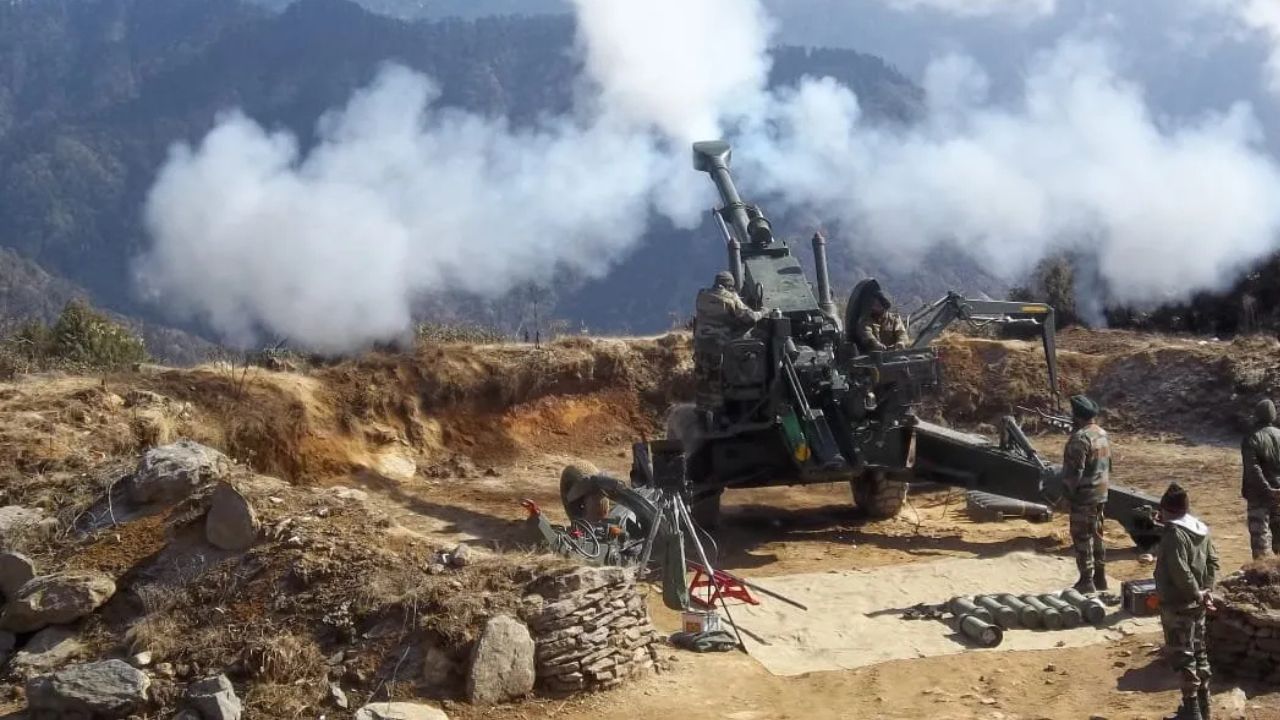
Defence cooperation remains central to bilateral ties. India is the largest buyer of Israeli weapons, spending billions of dollars on systems including unmanned aerial vehicles, air defence platforms, radar and surveillance technology. Israeli forces have also conducted joint training sessions with Indian soldiers.
India has supplied weapons to Israel during its war in Gaza. Beyond hardware, analysts point to what they describe as an overlapping security doctrine.
After gunmen killed 26 civilians in the tourist town of Pahalgam in Indian-administered Kashmir on 22 April 2025, India carried out air strikes in Pakistan and Pakistan-administered Kashmir, accusing Islamabad of backing the attack. Pakistan denied involvement and responded with missiles and drones, leading to a four-day air confrontation between the nuclear-armed neighbours.
In the aftermath, some Indian television commentators and former officials drew parallels with Israel. One anchor described 22 April as “to India what 7 October was to the Israelis”, referring to the 2023 Hamas attack. A guest called for Pakistan to be turned “into Gaza”. A retired senior police officer said India should “respond like Israel”.
Among the most controversial Israeli exports to India is Pegasus, spyware developed by NSO Group. Siddharth Varadarajan, co-founder of the news website The Wire, said he was among journalists targeted by the spyware, which an Israeli firm reportedly sold to the Indian government under a defence deal.
“[The Israeli spyware] turns an iPhone into a personal spying device,” Varadarajan said, adding that it could secretly record and transmit video and photographs.
“This Israeli model of using spyware to keep an eye on any possible arena of opposition or criticism is something that the Modi government has adopted and embraced wholeheartedly,” he said.
India’s Supreme Court appointed an expert committee, which found malware in some phones but said it could not conclusively attribute it to Pegasus, citing limited cooperation from the government.
Varadarajan said that even where repressive measures are not uniquely Israeli, the government has been “a happy adopter”. India ranks among the world’s leading democracies in imposing internet restrictions and has fallen in several democracy indices in recent years.
“It is a great pity that methods that the Israelis use against occupied people are being used by the Modi government against its own citizens,” he said.
Kashmir and control
India has long confronted internal security challenges, from separatist movements in its northeast to unrest in Kashmir. In 1966, then prime minister Indira Gandhi ordered helicopter gunships to bomb parts of Mizoram to quell a rebellion.
Yet analysts say Israel has provided technology and expertise that have enabled a more expansive security architecture.
“What Israel has done is help provide India with the technology and expertise to become more oppressive, authoritarian, and militarised,” Essa said. “These methods are all-encompassing: They treat populations as external threats.”
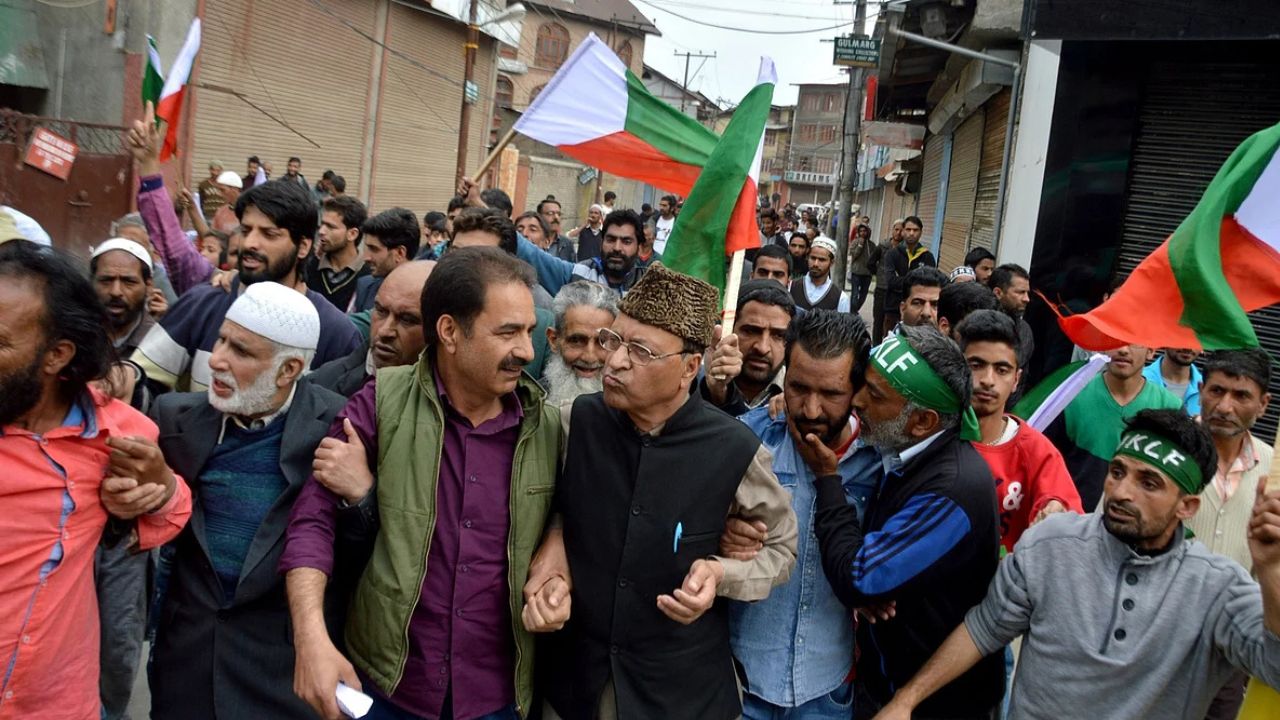
In Indian-administered Kashmir, one of the world’s most militarised regions, the 2019 revocation of autonomy curtailed local democratic powers and deepened central control. Bose said the government’s reluctance to engage in political dialogue over Kashmir echoes Israeli Prime Minister Benjamin Netanyahu’s approach towards the Palestinians, characterised by rejection and reliance on military force.
While Kashmir and Palestine have distinct histories, Essa argued that parallels are increasing.
“There is the militarisation, population management, and the legal regimes that allow both India and Israel to conduct their occupations and maintain daily control over the people – from checkpoints to raids and communication blackouts,” he said.
“Like the occupied West Bank, India maintains Kashmir in a state of almost permanent emergency, where military presence, surveillance, and extraordinary legal powers shape everyday life. And like the West Bank, daily governance in Kashmir is outsourced to local administrators with limited real power.”